
Intermittent panting in dogs can be worrying, especially when it appears without a clear trigger.
We outline the common reasons why a dog may pant on and off, what you can do, and when to seek veterinary care.
Table of Contents
Dog Panting On and Off: Why It Happens
Dog panting that comes and goes may seem harmless, but it can reveal cycles of discomfort, stress, or overheating. Some dogs pant intermittently due to pain that flares up, changes in temperature, or emotional triggers like anxiety.
Older dogs may also show this pattern if they have heart or lung problems that cause occasional breathing difficulty. Keeping track of when the panting happens — at night, after meals, or during stress — can help your vet pinpoint the cause.
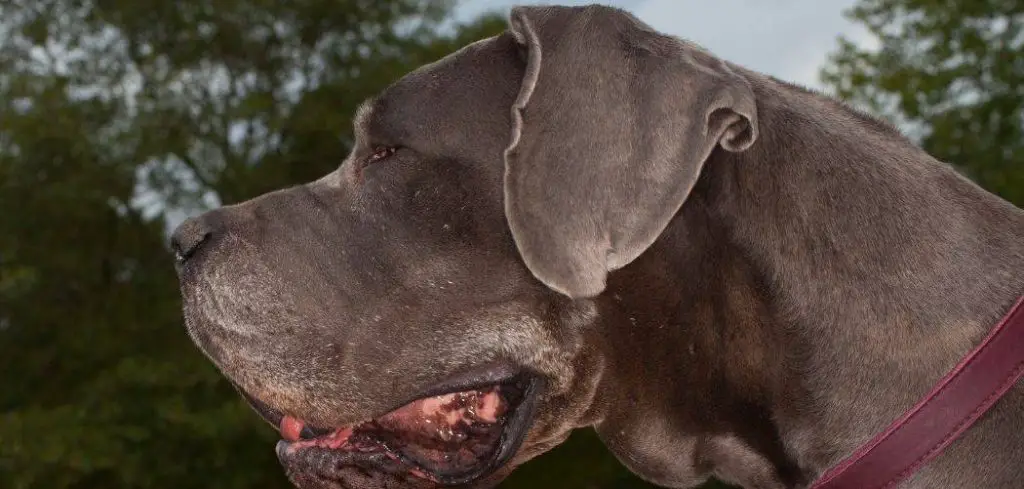
Dog Panting On and Off: Common Causes
Stress and Anxiety
Stress or anxiety is a frequent cause of on-and-off panting. Dogs may pant intermittently in response to changes in their environment, separation from owners, or exposure to loud noises.
Signs include pacing, whining, trembling, or hiding. While temporary stress-induced panting is generally harmless, prolonged or severe anxiety can affect appetite, sleep, and overall health.
Identifying triggers and providing reassurance, structured routines, and safe spaces can help manage anxiety effectively.
Read more: Dog Panting On and Off at Night (Here’s why)
Heat or Overheating
Fluctuating panting often occurs as a response to heat. Dogs regulate body temperature through panting, so on-and-off panting may indicate they are alternating between cooling themselves and resting.
Look for additional signs such as excessive drooling, reddened gums, or lethargy. In hot weather, ensure access to fresh water, shade, and avoid overexertion to prevent heat exhaustion or heatstroke.
Pain or Discomfort
Intermittent panting can signal underlying pain or discomfort. Dogs experiencing joint pain, gastrointestinal discomfort, or other mild injuries may pant in waves when the pain intensifies.
Other signs might include reluctance to move, limping, restlessness, or changes in behavior. Pain management and veterinary assessment are key to preventing chronic discomfort and associated stress.
Heart or Respiratory Issues
Cardiac or respiratory conditions can cause intermittent panting. Dogs with heart disease, congestive heart failure, or lung problems may pant on and off depending on activity levels, stress, or oxygenation needs.
Watch for coughing, exercise intolerance, fainting, or bluish gums. Early diagnosis and treatment improve quality of life and prevent serious complications.
Fever or Infection
A mild or fluctuating fever can result in on-and-off panting. Dogs may experience spikes in body temperature due to infections or inflammatory conditions, causing them to pant intermittently.
Accompanying signs may include lethargy, decreased appetite, shivering, or nasal discharge. Timely veterinary evaluation helps identify infections and allows for prompt treatment.
Medication Side Effects
Certain medications may cause intermittent panting as a side effect. Drugs used for pain, heart conditions, or anxiety can alter respiratory patterns or increase stress responses.
Observe if panting correlates with medication schedules and consult your veterinarian if the symptom persists or worsens. Adjustments may be needed to improve your dog’s comfort.
Gastrointestinal Upset
Digestive discomfort can trigger panting on and off. Dogs with mild nausea, bloating, or intermittent stomach upset may display episodic panting along with refusal to eat or mild restlessness.
Other signs may include vomiting, soft stools, or abdominal sensitivity. Identifying triggers, feeding bland diets, and seeking veterinary guidance are important for gastrointestinal health.
Hormonal or Metabolic Disorders
Conditions like Cushing’s disease, thyroid issues, or diabetes can cause intermittent panting. Hormonal fluctuations may lead to changes in energy, appetite, and breathing patterns.
Watch for increased thirst, urination, weight changes, or coat condition alterations. Blood tests and professional diagnosis are essential to manage these conditions effectively.
Dog Shaking and Panting On and Off
Intermittent shaking and panting can occur when a dog is experiencing pain, anxiety, stress, nausea, fever, or discomfort. Some dogs may have episodes that come and go throughout the day, making the problem seem less serious than it is.
Environmental factors such as heat or excitement can also contribute, but recurring episodes may indicate an underlying medical condition.
If the shaking and panting continue to occur without an obvious cause or become more frequent, a veterinary examination is needed to determine the underlying issue.
Dog Panting On and Off at Night
Panting that occurs intermittently at night may be caused by discomfort, anxiety, cognitive dysfunction (dog dementia), pain from arthritis, or underlying heart and respiratory disease.
Because dogs are resting at night, abnormal breathing patterns often become more noticeable.
Some dogs may also pant due to gastrointestinal discomfort or the need to urinate.
Occasional panting may not be serious, but frequent nighttime episodes should be evaluated, especially if they interfere with sleep or are accompanied by restlessness.
Pregnant Dog Panting On and Off
Panting on and off can be normal during pregnancy, especially in the later stages when the growing puppies place pressure on the abdomen and increase physical demands on the mother.
Panting may also occur as body temperature changes or as labor approaches.
However, excessive panting, weakness, vomiting, or signs of distress should not be ignored, as they may indicate complications requiring veterinary attention.
Read more: Dog Panting and Pregnant (What it means and when to worry)
Senior Dog Panting On and Off
Intermittent panting in senior dogs is commonly associated with age-related conditions such as arthritis, heart disease, respiratory disease, anxiety, or cognitive dysfunction.
Older dogs may also have difficulty regulating discomfort and may pant during periods of pain or stress.
Because panting can be an early sign of illness in senior dogs, recurring episodes should be monitored and discussed with a veterinarian.
What to Do If Your Dog Is Panting On and Off
Provide a calm, temperature-controlled environment to reduce stress and prevent overheating. Avoid overexertion and monitor your dog’s activity closely.
Offer small amounts of water regularly, especially if panting occurs after physical activity. Observe your dog for additional symptoms like coughing, vomiting, lethargy, or changes in appetite.
Keep a diary of when the panting occurs, duration, and any associated triggers, as this can help your veterinarian identify the underlying cause.
Consult your veterinarian if intermittent panting persists, worsens, or is accompanied by other concerning signs, even if your dog appears otherwise healthy.
When to Call or Visit Your Vet
Seek veterinary care immediately if your dog shows:
Panting that suddenly becomes rapid, labored, or persistent
Weakness, fainting, or disorientation
Bluish, pale, or reddened gums
Persistent vomiting, diarrhea, or refusal to eat
Suspected ingestion of toxins or sudden illness
Early intervention ensures underlying medical issues are identified and treated promptly.
Read more: Dog Panting and Groaning (Why it happens)
Dog Panting On and Off: Treatment
Treatment depends on the underlying cause of the panting. The veterinarian may recommend pain management, treatment for heart or respiratory disease, anti-anxiety measures, or medication for gastrointestinal issues, depending on the diagnosis.
Diagnostic tests such as blood work, X-rays, or cardiac evaluation may be needed to identify the problem.
At home, keep the dog in a cool, calm environment and ensure access to fresh water.
Persistent or recurring panting should not be ignored, especially in senior dogs or dogs with other symptoms, as successful treatment depends on identifying and addressing the underlying cause.
Key Takeaway
Panting on and off in dogs may be caused by stress, heat, pain, infections, heart or respiratory issues, gastrointestinal upset, medication effects, or hormonal imbalances.
Monitoring your dog closely, maintaining a comfortable environment, and seeking timely veterinary care are essential.
Understanding the context and triggers of intermittent panting helps ensure your dog’s health and comfort while preventing serious complications.


