
Panting in dogs isn’t always about heat or excitement, and when it appears suddenly or without an obvious reason, it can be a sign that something is wrong.
Pain-related panting is especially concerning because dogs often hide discomfort until it becomes significant.
This guide outlines the most common causes of dog panting due to pain, what you can do, and when to seek veterinary help.
Dog Panting Due to Pain: Why It Happens
Dog panting due to pain happens because discomfort triggers the body’s stress response, causing changes in breathing patterns. When a dog is in pain, stress hormones like adrenaline increase, heart rate rises, and breathing becomes faster and shallower.
Panting may occur even at rest, during sleep, or in cool environments. This type of panting is often persistent and may be paired with subtle behavior changes that signal underlying pain.
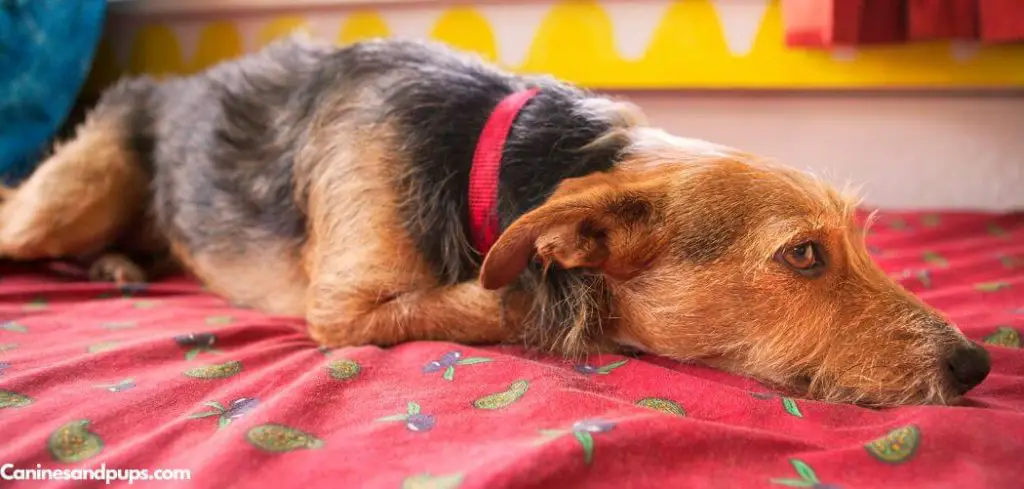
Dog Panting Due to Pain: Common Causes
Musculoskeletal Pain and Arthritis
Joint and muscle pain are among the most common reasons dogs pant due to pain, especially as they age.
Arthritis, ligament injuries, or muscle strains cause ongoing discomfort that worsens with movement or after rest.
Dogs experiencing musculoskeletal pain may pant more after walks, struggle to get up, or seem stiff when changing positions.
Panting occurs because the pain creates constant physical stress, even when the dog is lying down. This is serious because untreated joint pain can progress, reduce mobility, and significantly affect quality of life.
Related: Dog panting excessively for no reason (What it means)
Abdominal Pain and Internal Inflammation
Pain originating in the abdomen often leads to heavy panting, as the discomfort can be intense and difficult for dogs to localize. Conditions such as pancreatitis, gastrointestinal blockages, gas buildup, or organ inflammation can all trigger this response.
You may notice panting along with restlessness, a hunched posture, whining, or refusal to eat.
Abdominal pain is particularly concerning because it can escalate quickly and may indicate a medical emergency requiring prompt treatment.
Dental Pain and Oral Disease
Severe dental disease, tooth fractures, abscesses, or gum infections can cause significant pain that leads to panting. Oral pain is often overlooked because dogs continue to eat, even while uncomfortable.
In addition to panting, dogs may drool excessively, paw at their mouth, chew on one side, or develop bad breath.
Persistent dental pain places constant strain on the body, and untreated infections can spread, making this cause of pain-related panting more serious than it appears.
Injury, Trauma, or Post-Surgical Pain
Recent injuries or surgical procedures are common reasons dogs pant due to pain. Even when healing appears to be going well, internal soreness or inflammation can remain significant.
Dogs may pant while resting, appear unable to get comfortable, or show sensitivity when touched.
Pain-related panting after trauma or surgery is important to address because inadequate pain control can slow healing, increase stress, and lead to complications.
Internal Organ Pain or Disease
Diseases affecting internal organs such as the kidneys, liver, heart, or spleen can cause deep, persistent pain that results in panting. Tumors, infections, or organ enlargement can all place pressure on surrounding tissues.
This type of panting is often paired with lethargy, appetite changes, vomiting, or weakness.
Internal organ pain is serious because symptoms may be subtle at first, and delayed diagnosis can allow the condition to worsen significantly.
Neurological Pain and Spinal Conditions
Spinal pain, nerve compression, or disc disease can lead to intense discomfort that causes panting.
Conditions affecting the neck or back may make movement painful and trigger anxiety-related breathing changes.
Dogs may pant while avoiding certain positions, cry out when moving, or show weakness in the legs.
Neurological pain is particularly concerning because it can progress rapidly and may lead to mobility loss if not addressed promptly.
Related: Dog panting excessively and shaking (Here’s Why)
What to Do If Your Dog Is Panting Due to Pain
If your dog is panting due to pain, limiting physical activity is an important first step. Encourage rest and prevent jumping, running, or rough play until the cause is identified.
Providing a quiet, comfortable environment can help reduce stress-related panting. Soft bedding, familiar surroundings, and minimizing noise can make a noticeable difference while you monitor symptoms.
Carefully observe your dog for additional signs such as limping, appetite changes, vocalization, or sensitivity to touch. These clues can help your veterinarian pinpoint the source of pain more efficiently.
Never give human pain medications, as many are toxic to dogs and can worsen the situation. Only use pain relief or anti-inflammatory medications that have been prescribed specifically for your dog.
Maintaining hydration and routine feeding is helpful if your dog is still eating and drinking normally. However, persistent panting should never be managed at home without veterinary input.
When to Call or Visit Your Vet
You should contact your veterinarian if panting occurs at rest, during sleep, or in a cool environment without an obvious cause.
Seek immediate care if panting is paired with crying, collapse, inability to move, abdominal swelling, or sudden behavioral changes. These signs may indicate severe pain or a medical emergency.
If panting continues for more than a day or worsens despite rest, professional evaluation is essential to identify the underlying source of pain.
Any panting following trauma, surgery, or a fall should be assessed promptly, even if your dog initially seems stable.
Read more: Dog Panting During Heat Cycle (What’s normal and what’s not)
Key Takeaway
Dog panting due to pain is a critical signal that should never be ignored. Pain triggers stress responses in the body that change breathing patterns, often before more obvious symptoms appear.
Identifying the source early and working closely with your veterinarian can relieve discomfort, prevent complications, and help your dog return to a more comfortable, happy life.