
When your pregnant dog starts panting before labor, it can be both an exciting and nerve-wracking moment.
Panting is often a normal part of the birthing process, but it can also signal complications that need attention.
We outline the common reasons why dog panting happens before labor, what you can do, and when to seek veterinary care.
Table of Contents
Dog Panting Before Labor: Why It Happens
Dog panting before labor is usually linked to hormonal changes, physical discomfort, and the early stages of whelping. As the dog’s body prepares for birth, her temperature drops slightly, contractions begin, and she may feel restless.
Panting can also occur if she is in pain, anxious, or overheated. While this is often normal, certain medical complications can also trigger heavy breathing at this stage.
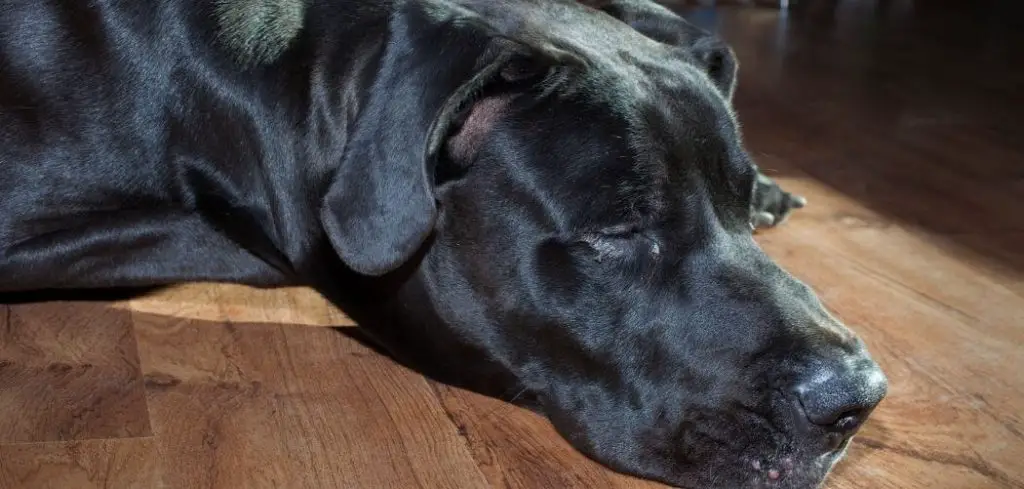
Visual Signs of Dog Labor
Visual signs of labor in dogs include nesting behavior, restlessness, digging, frequent position changes, and seeking quiet or hidden areas.
The dog may also appear anxious, lick her vulva frequently, and have a noticeable drop in body temperature before contractions begin.
You may observe abdominal tightening or visible contractions as labor progresses.
As labor becomes active, puppies may be delivered within hours, depending on the stage and breed.
Do All Dogs Pant Before Labor?
Not all dogs pant before labor, but many do. Panting is a common sign of discomfort, restlessness, and hormonal changes as the body prepares for birth.
However, some dogs may show little or no panting and instead display other signs such as nesting, reduced appetite, or seeking solitude.
Because dogs vary individually, panting alone is not a reliable indicator of exactly when labor will begin, but it is often part of the early stage.
Dog Panting Before Labor: Common Causes
Early Labor and Contractions
When a dog enters early labor, her uterus begins contracting to prepare for delivery. These contractions can cause discomfort and prompt panting.
You may also notice restlessness, pacing, or digging behavior alongside the panting.
In a healthy dog, this stage is natural, but if panting becomes extreme or is accompanied by distress, veterinary guidance may be needed.
Read more: Dog Panting and Shaking After Giving Birth (Here’s why)
Temperature Regulation
Dogs cannot sweat like humans, so panting is their primary way to release heat. In late pregnancy, their bodies work harder, and the physical effort of labor can raise their temperature.
If the environment is warm, overheating can worsen panting. Keeping her in a cool, calm space is important to avoid heat stress.
Pain or Discomfort
As the puppies shift into position and contractions intensify, pain levels can rise. Panting is a natural response to discomfort.
While mild pain is expected, excessive distress or crying can indicate complications, such as a puppy being stuck or labor progressing too slowly.
Anxiety and Nesting Behavior
Hormonal changes trigger nesting behaviors such as digging, circling, or shredding bedding. Anxiety about the upcoming birth can also cause panting.
If your dog appears overly anxious or unable to settle, providing reassurance and a quiet, safe space can help her feel more secure.
Complications During Labor
While panting before labor is often normal, heavy or labored breathing can be an early warning sign of trouble.
Uterine inertia, large puppies, or abnormal fetal positioning may cause prolonged or severe panting.
If labor seems stalled for more than two hours between puppies, or your dog appears exhausted, contact your veterinarian immediately.
Pregnant Dog Panting, How Long Till Birth?
Panting in a pregnant dog can indicate the start of early labor, but it does not always mean birth is approaching. Some dogs may pant for several hours or even a day before active contractions begin.
When panting is combined with nesting, restlessness, or a drop in temperature, labor is usually approaching within 6–24 hours.
If panting becomes intense or is accompanied by straining for a long time without delivery, veterinary assistance may be needed to ensure safe labor.
What to Do If Your Dog Is Panting Before Labor
First, remain calm and create a comfortable, quiet whelping area where your dog feels safe. Keep the temperature cool and ensure fresh water is available.
Monitor her closely for other signs of labor, such as nesting, shivering, or visible contractions. Offer gentle reassurance without interfering too much, as some dogs prefer solitude.
If panting is accompanied by signs of pain, distress, or prolonged effort without producing a puppy, call your vet. Have your vet’s contact details ready and be prepared for an emergency visit if necessary.
Avoid giving any medications without veterinary approval, as certain drugs can harm the mother or puppies.
When to Call or Visit Your Vet
Contact your veterinarian if your dog has been in active labor for over two hours without delivering a puppy, or if there is green or foul-smelling discharge before the first puppy arrives.
Also seek help if panting becomes extreme, your dog collapses, or she shows signs of shock such as pale gums or weakness. These can indicate serious complications.
If you are unsure whether her panting is normal, it’s always safer to call your vet for advice.
Read more: Dog panting excessively (Here’s why)
Key Takeaway
Panting before labor is often a natural and healthy part of the birthing process, but it can also indicate discomfort or trouble. By preparing a safe environment, monitoring her progress, and knowing when to call your vet, you can help ensure a safe delivery for both your dog and her puppies.
Your attentiveness during this time can make all the difference, providing comfort and support when your dog needs it most.


