
When your dog’s ears are pinned back and they’re panting heavily, it’s a clear signal that something’s off — but figuring out what can be tricky.
We outline the common reasons why dogs pant with their ears back, what you can do to comfort them, and when to seek veterinary care.
Table of Contents
Dog Panting and Ears Back: Why It Happens
A dog panting with its ears pinned back is often a sign of emotional stress or physical discomfort. Dogs use body language to communicate, and ears pulled back can indicate fear, anxiety, submission, or even pain.
When paired with panting, it can suggest overheating, illness, or nervousness.
While some cases are temporary and harmless, others can point to underlying health problems that require attention.
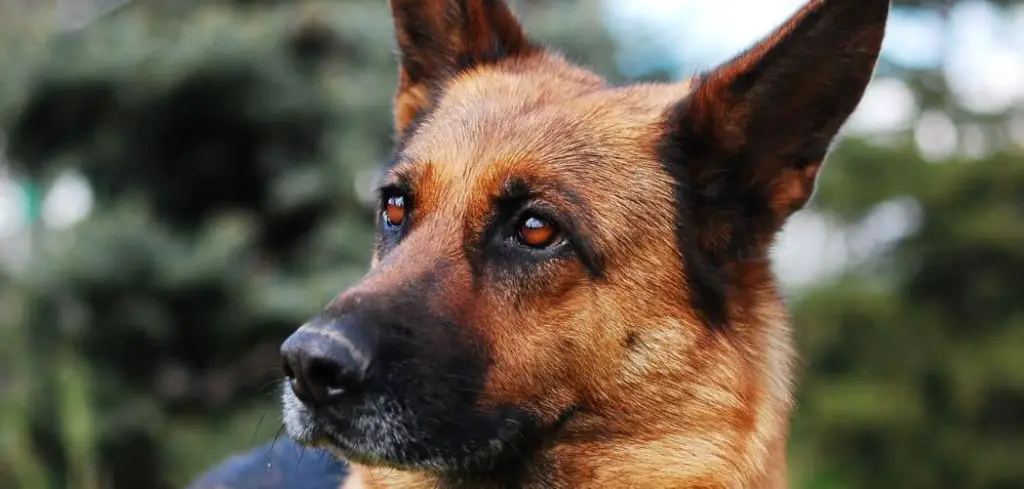
Dog Panting and Ears Back: Common Causes
Stress and Anxiety
When dogs feel stressed, nervous, or overwhelmed, they often pant heavily while pulling their ears back against their head.
This is a classic canine body language signal of unease. You may notice it during thunderstorms, fireworks, car rides, or when meeting new people or animals.
Panting helps release tension and regulate breathing, while ears back show submissiveness or discomfort. Chronic anxiety can harm a dog’s overall well-being, so it’s important not to dismiss these signs.
Read more: Dog Panting and Ears Are Hot (What it could mean)
Heatstroke or Overheating
Panting is a dog’s natural cooling system, but when combined with pinned ears, it can indicate distress from overheating.
Dogs don’t sweat like humans and rely heavily on panting to release excess heat. If the ears are back, the dog may also be signaling fear or confusion from feeling unwell.
Signs such as drooling, lethargy, bright red gums, or collapse mean heatstroke may be setting in. This is a veterinary emergency that needs immediate cooling and professional care.
Pain or Discomfort
Ears pinned back with panting can also be a response to physical pain. Dogs instinctively hide discomfort, but subtle cues like these can reveal underlying issues.
Pain may come from dental problems, injuries, joint disease, or even internal illness. Look for other changes such as limping, whining, avoiding touch, or refusing food.
Pain-related panting is often more constant, even when the dog is resting indoors and not hot.
Illness
Some medical conditions cause both panting and changes in body posture, including ears pulled back. Heart disease, respiratory illness, and hormonal disorders like Cushing’s disease are all possible culprits.
Panting may be the body’s attempt to get more oxygen, while the ears-back posture could signal the dog’s general feeling of distress.
If these signs appear alongside coughing, fatigue, vomiting, or sudden weight changes, a vet visit is strongly recommended.
Fear or Submission
In social situations, dogs may pant with their ears back as a way to show submission or appeasement.
For example, when approached by a dominant dog or scolded by their owner, a dog might pant to release nervous energy while flattening their ears to avoid conflict.
This is usually short-lived and resolves once the perceived threat or pressure is gone. However, if it happens frequently, it could suggest ongoing stress that needs to be addressed.
Excitement
Not all panting with ears back is negative. Sometimes dogs show this combination when overly excited, such as during playtime or greeting their favorite person.
The ears may go back in anticipation, while panting keeps their body cool.
This is normal if it happens in short bursts and the dog quickly calms down afterward. Still, constant overstimulation can be stressful for some dogs and should be monitored.
Dog Panting and Ears Back at Night
Panting with ears back at night often suggests that the dog is uncomfortable or anxious while trying to rest. Nighttime can make pain or illness more noticeable because the environment is quiet and the dog is less distracted.
Conditions like joint pain, heart disease, digestive discomfort, or cognitive dysfunction in older dogs may cause restlessness, panting, and a tense posture.
If the dog is unable to settle, keeps changing positions, or seems uneasy during sleep time, it may indicate an underlying medical or emotional issue.
Persistent nighttime panting should be checked by a veterinarian, especially in senior dogs.
Dog Panting and Ears Back and Shaking
When panting is combined with ears back and shaking, it usually points to significant stress, fear, pain, or physical illness.
Shaking may result from discomfort, fever, low blood sugar, poisoning, or neurological issues, while panting reflects distress or difficulty regulating the body. Together, these signs suggest the dog is not feeling well.
This combination is more concerning if it happens suddenly or is severe. If the dog also shows weakness, vomiting, collapse, or changes in behavior, urgent veterinary attention is needed to identify and treat the underlying cause quickly.
Old Dog Panting and Ears Back
An older dog that is panting with its ears pulled back is often showing signs of stress, discomfort, pain, or anxiety.
Panting helps dogs regulate temperature, but when combined with a tense body posture and ears pinned back, it may indicate the dog is not fully relaxed.
In senior dogs, this can also be linked to arthritis, internal discomfort, heart or respiratory issues, or general age-related decline.
If this behavior is new or persistent, it should not be ignored. Older dogs are more likely to hide pain, so changes in posture and breathing patterns can be early warning signs that something is wrong and may require veterinary evaluation.
What to Do If Your Dog Is Panting and Has Its Ears Back
If your dog is showing this behavior, start by assessing the context. If it’s a short-term reaction to excitement, greeting, or mild stress, you may not need to worry.
Create a calm environment, give your dog space, and reassure them gently. Make sure they have access to water, a cool place to rest, and a predictable routine to reduce stress triggers.
For dogs that pant with ears back during stressful events like thunderstorms, providing a safe space or using calming tools such as anxiety wraps may help.
Positive reinforcement training and desensitization can also reduce fear over time. If pain or illness is suspected, schedule a veterinary appointment right away. Never ignore persistent or unexplained panting combined with tense body language.
When to Call or Visit Your Vet
You should call your vet immediately if your dog’s panting and ears-back posture are accompanied by collapse, extreme lethargy, vomiting, pale or bright red gums, or difficulty standing. These can signal heatstroke, poisoning, or serious illness.
Seek veterinary care if the panting happens at night, at rest, or without any obvious trigger. This can be a sign of pain, respiratory issues, or underlying disease.
Long-term changes in behavior, such as chronic anxiety or frequent submission signals, should also be addressed to ensure your dog’s emotional and physical health.
Read more: Dog Panting and Digging at Night (Here’s Why)
Key Takeaway
Panting with ears pinned back is your dog’s way of communicating discomfort, stress, or health concerns.
While it can sometimes be linked to excitement or mild nervousness, it can also point to heatstroke, pain, or illness.
Pay attention to the context, monitor for other symptoms, and provide a calm, safe environment. When in doubt, contacting your veterinarian is the best step to protect your dog’s well-being.


