
It’s unsettling to see your dog panting and behaving oddly when the rest of the household is winding down for the night.
Whether they’re pacing, whining, or acting confused, nighttime symptoms can feel more alarming due to the quiet and darkness.
We outline the common causes of a dog panting and acting weird at night, what you can do at home, and when to seek veterinary help.
Table of Contents
Dog Panting and Acting Weird at Night: Why It Happens
Panting and strange nighttime behavior in dogs are often linked to anxiety, discomfort, neurological issues, or underlying illness. A dog who’s suddenly restless and breathing heavily could be in pain, disoriented, or suffering from something more systemic like a hormonal imbalance.
Environmental changes, age-related cognitive decline, or even gastrointestinal distress can also trigger unusual nocturnal symptoms.
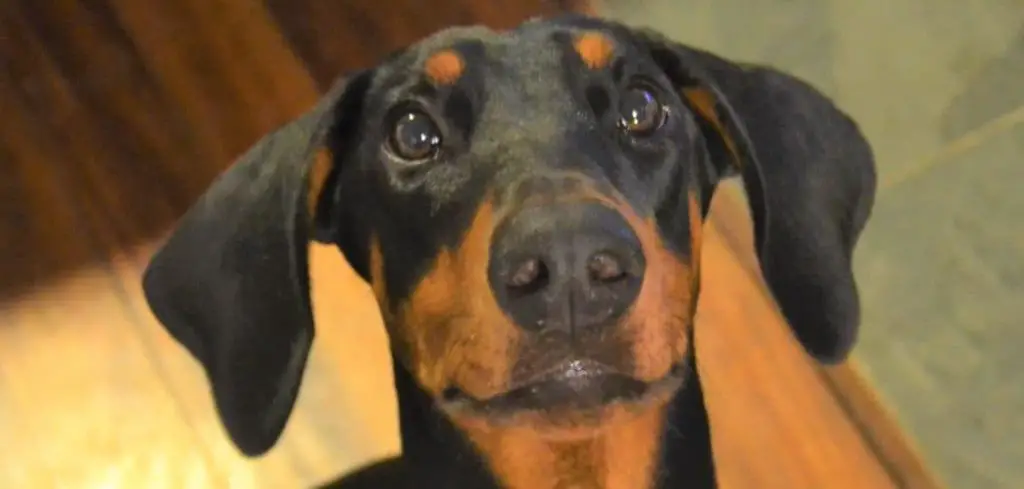
Dog Panting and Acting Weird at Night: Common Causes
Canine Cognitive Dysfunction (Dog Dementia)
As dogs age, some begin to experience cognitive decline similar to Alzheimer’s in humans. This condition, called canine cognitive dysfunction, often causes disorientation, pacing, and panting—especially at night.
The night hours tend to intensify confusion in affected dogs, leading to odd behaviors like staring at walls or appearing lost in familiar rooms.
Many also become more vocal or anxious during the evening.
It’s serious because it signals brain changes that require management to help your dog remain comfortable and oriented.
Read more: Old Dog Syndrome (Signs, causes and treatment)
Anxiety or Nighttime Phobias
Dogs that suffer from generalized anxiety or specific fears—such as thunderstorms, fireworks, or being left alone—may show heightened symptoms at night.
Panting, pacing, whining, or hiding are all signs of canine anxiety.
At night, common environmental sounds (like creaks, rustling, or distant noise) may feel more intense to your dog.
Combined with low light and lack of human interaction, this can cause agitation or stress.
Chronic anxiety can lead to exhaustion and health deterioration, making treatment or behavioral support important.
Gastrointestinal Discomfort
Stomach upset, gas, acid reflux, or nausea often lead dogs to act uncomfortable at night. They may pant, lick their lips, swallow repeatedly, or shift around trying to find relief.
A dog that ate something unusual, has food sensitivities, or suffers from conditions like pancreatitis or acid reflux might only show signs during nighttime digestion.
These issues can range from mild to urgent, depending on accompanying symptoms like vomiting, diarrhea, or refusal to eat.
Pain or Discomfort
Orthopedic issues like arthritis, hip dysplasia, or injury-related pain can worsen at night when your dog is at rest.
Pain may lead to panting, repositioning, whining, or restless behavior.
Pain at night might not be as noticeable during the day when the dog is distracted. But once they settle, discomfort becomes more evident.
This is concerning because chronic pain affects sleep, mood, and overall quality of life.
Hormonal or Metabolic Disorders
Conditions like Cushing’s disease or hypothyroidism can cause nighttime panting and agitation.
With Cushing’s disease, dogs often pant excessively, have increased thirst, and may appear restless at night.
Metabolic issues can also disrupt a dog’s internal balance, making them more prone to nighttime wakefulness or odd behaviors.
Early diagnosis and management are crucial to prevent complications and reduce discomfort.
My Dog Is Shaking and Panting and Acting Weird At Night
Shaking, panting, and unusual behavior at night often point to pain, anxiety, fever, nausea, or an underlying medical condition.
Dogs may become restless, confused, or unable to settle when something is physically wrong, and nighttime can make these signs more noticeable because the environment is quiet and the dog is resting.
Common causes include gastrointestinal upset, toxin exposure, heart problems, or neurological issues.
If these symptoms appear suddenly or keep recurring, they should be taken seriously, especially if the dog also refuses food, vomits, or seems disoriented.
Veterinary evaluation is required to identify the cause and provide treatment.
Dog Panting At Night and Drinking Lots Of Water
Panting at night combined with increased thirst may indicate pain, fever, kidney disease, diabetes, Cushing’s disease, or other metabolic disorders.
Excessive drinking leads to frequent urination, which can also disturb sleep and increase restlessness.
If this behavior is new or worsening, it is important to have the dog checked, as persistent increased thirst and panting often signal an underlying medical condition that needs diagnosis and treatment.
Old Dog Panting and Acting Weird At Night
In older dogs, panting and unusual nighttime behavior can be linked to cognitive dysfunction (dog dementia), chronic pain such as arthritis, heart disease, or internal illness.
Senior dogs may also become more anxious or confused at night due to reduced sensory function and changes in brain activity.
Because multiple age-related conditions can cause these symptoms, persistent nighttime restlessness in an older dog should be assessed by a veterinarian to manage comfort and rule out serious disease.
What to Do If Your Dog Is Panting and Acting Weird at Night
First, assess your dog’s environment. Is it too hot? Are there new sounds or lights that could be making them nervous? Try creating a calm, quiet, cool space where your dog can feel safe and undisturbed.
Offer water in case they’re thirsty and try to gently soothe them without overstimulating.
Avoid scolding or reinforcing fear-based behaviors by being overly reactive. Soft background noise like white noise or calming music can sometimes help.
If your dog is older, try to keep their evening routine consistent.
Use nightlights if they seem disoriented or confused. In younger dogs, consider whether they had enough physical and mental exercise that day.
You can also try calming aids like pheromone diffusers or vet-approved supplements, but avoid medicating without professional advice.
Keep a log of the behavior—when it starts, how long it lasts, and any changes in routine, appetite, or bathroom habits. This can help your vet identify patterns.
When to Call or Visit Your Vet
Contact your vet if the panting and strange behavior persist more than a few nights or are accompanied by other symptoms like vomiting, diarrhea, limping, or changes in appetite.
Sudden or severe confusion, especially in older dogs, could indicate cognitive dysfunction or even a neurological emergency.
Excessive panting not related to heat, stress, or exercise should always be taken seriously—especially if your dog seems uncomfortable, restless, or in pain.
If your dog collapses, has a seizure, or appears to be in distress (arched back, labored breathing, shaking), don’t wait—seek emergency care.
Read more: Dog Panting and Licking Lips at Night (What it means)
Key Takeaway
Panting and odd nighttime behavior in dogs can be scary for both pets and owners.
These symptoms are often signs of deeper issues like anxiety, pain, cognitive decline, or gastrointestinal trouble.
The best thing you can do is observe calmly, make your dog comfortable, and reach out to your vet if it happens often or intensifies.
Trust your instincts—if your dog seems unwell, it’s always worth checking in with a professional.
With the right support and a calm environment, many dogs can get back to peaceful nights.


