
Dog panting after vaccines can be worrying, especially when the change in breathing seems to appear suddenly after a vet visit.
While some dogs experience mild temporary stress or discomfort, panting can also signal an adverse reaction that deserves careful attention.
This guide explains the most common causes of panting after vaccines, what you can do at home, and when to seek veterinary help.
Dog Panting After Vaccines: Why It Happens
A dog panting after vaccines is usually reacting to stress, mild pain, fever, or an allergic response triggered by the injection.
Some dogs pant because they feel uneasy after the appointment, especially if the vet visit caused anxiety. Others develop low-grade inflammation or discomfort at the injection site, which leads to heavier breathing as they cope with the sensation.
Panting can also occur if your dog develops a mild fever after vaccination, which is a common immune response. In certain cases, panting happens because of a more serious hypersensitivity reaction that affects the respiratory system and requires immediate veterinary attention.
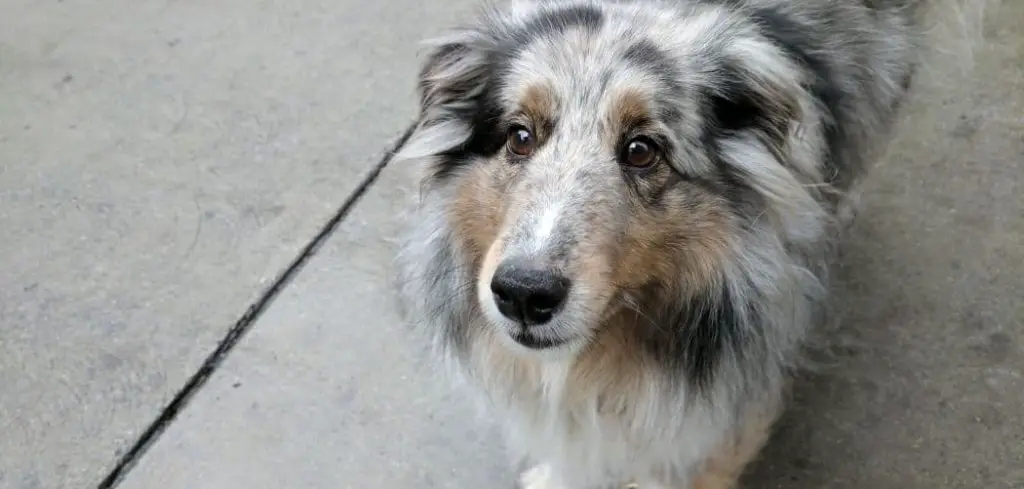
Dog Panting After Vaccines: Common Causes
Stress
One of the most frequent causes of a dog panting after vaccines is simple stress. Many dogs find car rides, waiting rooms, new smells, and handling stressful. Even dogs who appear calm during the appointment may feel anxious afterward, causing heavy breathing once they return home.
Panting is one of the most recognizable stress signals in dogs. After a vaccine appointment, dogs may pace, whine, cling to their owners, or appear restless in addition to panting.
This type of panting often improves within a few hours, but sensitive or nervous dogs may continue panting longer as their adrenaline levels gradually come down.
Related: Dog diarrhea after vaccines (Why it happens)
Injection Site Pain
Mild pain at the injection site is another very common cause of panting after vaccines.
Vaccines stimulate the immune system, and this process can make the area sore, warm, or tight. Dogs may pant as a response to discomfort, especially if the soreness increases when they lie down, move, or stretch.
Panting caused by pain tends to appear later in the day or after periods of rest, when the dog notices the soreness more clearly.
Dogs may also avoid pressure on one side of their body, resist being picked up, or act unusually sensitive to touch in the area where the vaccine was given.
While injection-site pain is usually mild and temporary, it can cause noticeable panting in sensitive dogs.
Low Grade Vaccine Fever
A low-grade fever is a normal immune response after many vaccines. When the immune system becomes activated, the body temperature may rise slightly. Even a mild increase in temperature can cause panting because dogs rely on panting rather than sweating to cool themselves.
You may also notice your dog feeling warm to the touch, sleeping more, or acting tired. Panting caused by fever may come and go in waves as the immune system responds to the vaccine.
This type of panting is typically short-lived, resolving within 24 hours, but it’s important to monitor your dog for worsening symptoms or prolonged fever.
Allergic Reaction (Mild to Moderate)
Some dogs pant after vaccines because they are experiencing an allergic reaction.
Allergic reactions release histamine and other inflammatory chemicals that can affect the skin, breathing, and cardiovascular system. In moderate reactions, panting may appear alongside facial swelling, hives, itching, or restlessness.
Dogs may also lick their paws, rub their face, or appear agitated. Because allergic reactions can progress, panting in combination with any visible swelling or bumps should be taken seriously.
This type of reaction typically appears within minutes to a few hours of vaccination, so close monitoring after the appointment is essential.
Anaphylaxis (Severe Allergic Reaction)
While rare, anaphylaxis is the most serious reason a dog may pant after vaccines. Panting may be rapid and shallow, and dogs may struggle to catch their breath. They can also develop pale gums, vomiting, sudden weakness, collapse, or swelling around the face and neck.
Anaphylaxis requires immediate emergency care. Dogs who have experienced one severe vaccine reaction are more likely to react again, so your veterinarian may adjust future vaccine schedules, doses, or pre-treatment medications.
Panting that appears suddenly, escalates quickly, or occurs with breathing changes should always be considered a medical emergency.
Nausea
Some dogs feel nauseous after vaccines, especially when stress or fever is also present.
Nausea can cause panting, drooling, licking the lips, or refusing food. Dogs may pace or act restless as their stomach feels unsettled. The combination of stress hormones, immune activation, and mild fever can increase overall sensitivity, making nausea more noticeable.
Panting related to nausea often improves once your dog settles, drinks water, or rests. However, vomiting or prolonged discomfort warrants a call to your vet.
Related: Dog itching after vaccines (Common causes)
What to Do If Your Dog Is Panting After Vaccines
If your dog is panting after vaccines, start by staying calm and observing their behavior. Mild panting that begins shortly after the appointment is often a stress response and may ease once your dog relaxes at home.
Offering a quiet, comfortable environment can help reduce anxiety and allow the dog to settle.
If the panting seems related to pain or injection-site soreness, gentle rest, reduced activity, and avoiding pressure on the injection area can help. Some dogs appreciate a soft, supportive place to lie down, while others may want more personal space for a few hours.
When panting appears with mild fever, ensure your dog has access to cool water and avoid overly warm rooms or vigorous activity. Keeping your dog cool and comfortable helps prevent the panting from worsening.
If your dog seems restless, itchy, swollen, or uncomfortable, or if you notice multiple symptoms occurring at once, monitoring closely is important.
Avoid giving any medications unless your veterinarian has recommended them specifically, as some human pain relievers are toxic to dogs.
When to Call or Visit Your Vet
You should call your veterinarian if your dog’s panting is intense, persistent, or getting worse instead of better. Panting accompanied by hives, facial swelling, or itching can indicate an allergic reaction, which may require prompt treatment to prevent escalation.
Seek immediate veterinary care if your dog is panting heavily and showing any signs of breathing difficulty, such as wheezing, coughing, or gasping. Sudden collapse, pale gums, vomiting, or extreme restlessness also require urgent attention.
If the panting continues beyond 12–24 hours with no signs of improvement, your dog may be experiencing more discomfort than expected, and an exam can help identify underlying issues.
Dogs who have had previous vaccine reactions should always be watched more closely, and any concerning symptoms should be reported to your veterinarian promptly.
Related: Dog side effects after vaccines (Understanding why it happens)
Key Takeaway
Dog panting after vaccines is usually caused by stress, mild discomfort, fever, or an allergic reaction.
While many cases resolve quickly on their own, panting that appears suddenly, looks severe, or comes with swelling or unusual symptoms should be evaluated by a veterinarian.
By monitoring your dog closely, providing comfort at home, and knowing when to seek help, you can keep your dog safe and supported after every vaccination.