
When your dog is on antibiotics and suddenly loses interest in food, it can be both confusing and concerning.
While antibiotics are meant to help your dog recover, they sometimes come with side effects that can interfere with appetite.
Table of Contents
Dog on Antibiotics and Not Eating: Why It Happens
Dogs on antibiotics may stop eating due to nausea, gastrointestinal upset, or changes in taste and smell. Some medications are known to cause stomach irritation, which can lead to vomiting, diarrhea, or general discomfort.
In other cases, the antibiotic may be affecting the dog’s gut microbiome or triggering a behavioral response such as food aversion.
These effects vary based on the type of antibiotic, your dog’s size and health condition, and whether the medication is taken with or without food.
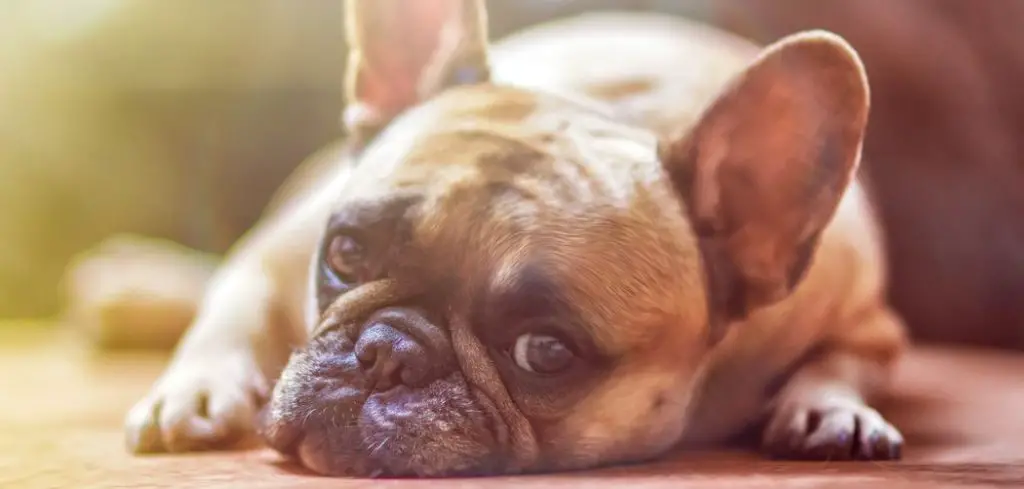
Do Antibiotics Affect a Dog’s Appetite?
Yes, antibiotics can affect a dog’s appetite. Some dogs may feel mild nausea, stomach discomfort, or changes in gut bacteria while on medication, which can reduce their desire to eat.
This effect can be temporary and may improve as the body adjusts to the treatment.
In most cases, appetite changes are mild, but some dogs may refuse food entirely if the medication causes stronger gastrointestinal upset.
Monitoring eating habits during treatment is important to ensure the dog is still getting enough nutrition and hydration.
Dog on Antibiotics Side Effects
Common side effects of antibiotics in dogs include reduced appetite, nausea, vomiting, diarrhea, soft stools, and changes in energy levels.
These occur because antibiotics can temporarily disrupt the balance of healthy bacteria in the digestive system.
Less commonly, some dogs may experience allergic reactions such as itching, swelling, or more severe gastrointestinal distress.
If side effects are mild, they may resolve as treatment continues, but worsening symptoms should be checked by a veterinarian.
Dog on Antibiotics and Not Eating: Common Causes
Gastrointestinal Upset
One of the most common side effects of antibiotics in dogs is digestive distress.
Antibiotics can irritate the stomach lining, especially when taken on an empty stomach.
Your dog may experience nausea, vomiting, gas, or bloating, all of which reduce their desire to eat.
You might also notice diarrhea or changes in stool consistency, indicating that the antibiotic is disrupting the normal balance of gut bacteria.
Nausea and Food Aversion
Some antibiotics can cause nausea or dizziness in dogs. This may lead your dog to associate eating with feeling sick, especially if they vomit shortly after meals.
As a result, your dog may start avoiding food altogether while on medication.
You might see signs like lip licking, drooling, pacing, or sniffing food and walking away.
Read more: Dog throwing up bile and not eating (What it means)
Altered Sense of Taste or Smell
Antibiotics can sometimes change how food smells or tastes to a dog.
If your dog suddenly finds their usual food unappealing, it could be a temporary side effect of the medication. This is more likely in dogs with sensitive appetites or those on long-term antibiotic regimens.
You may notice your dog sniffing or nudging food but refusing to take a bite.
Sore Mouth or Throat
Some antibiotics can cause localized irritation in the mouth or throat.
This may make chewing or swallowing painful. If your dog tries to eat but then backs off or whines while chewing, this may be the issue.
This is more common in pill-form antibiotics that get stuck or dissolve slowly.
Underlying Illness Being Treated
It’s also possible that your dog isn’t eating because of the original infection, not the antibiotic itself.
Conditions like dental abscesses, pneumonia, or urinary tract infections can decrease appetite. In these cases, the antibiotic may help resolve the problem, but it may take a few days for your dog’s appetite to return.
Lethargy, fever, or visible pain may accompany the reduced appetite.
Dog On Antibiotics and Not Eating but Drinking Water
If a dog is still drinking water but not eating while on antibiotics, it may indicate mild nausea or reduced appetite without full dehydration. This is often seen when antibiotics irritate the stomach or alter gut bacteria.
While drinking is a positive sign, ongoing refusal to eat can still lead to weakness and weight loss.
Feeding a bland diet or giving medication with food (if allowed by the vet) may help, but persistent appetite loss should be evaluated.
Dog On Antibiotics Not Eating and Diarrhea
Diarrhea combined with loss of appetite during antibiotic treatment often suggests gastrointestinal disruption.
Antibiotics can disturb the balance of intestinal bacteria, leading to soft stool or diarrhea in some dogs.
If diarrhea is mild, it may improve with probiotics or dietary adjustment. However, if it is frequent, watery, or accompanied by vomiting or lethargy, veterinary attention is needed to prevent dehydration and ensure the medication is still appropriate.
Old Dog On Antibiotics and Not Eating
An older dog that stops eating while on antibiotics may be more sensitive to medication side effects or may already have an underlying illness affecting appetite. Senior dogs are also more prone to nausea, digestive upset, and dehydration.
Because older dogs have less physiological reserve, loss of appetite should be taken seriously.
If the dog refuses food for more than a day or shows lethargy, vomiting, or weakness, veterinary review is important to adjust treatment or provide supportive care.
Dog On Antibiotics Not Pooping
A dog not pooping while on antibiotics may experience changes in gut motility or stool consistency due to altered intestinal bacteria.
Some antibiotics can slow digestion, while reduced food intake during illness can also decrease stool production.
If the dog is otherwise alert and eating small amounts, short-term reduction in bowel movements may not be serious.
However, if no stool is passed for several days, or if the dog shows discomfort, vomiting, or bloating, veterinary evaluation is important to rule out constipation or obstruction.
What to Do If Your Dog Is on Antibiotics and Not Eating
If your dog won’t eat while on antibiotics, try offering a bland, gentle diet such as boiled chicken and rice. This may be easier on the stomach and more appealing than their usual food.
Always double-check whether the antibiotic should be given with food. Some medications must be taken on an empty stomach, while others require food to reduce nausea or irritation.
Ask your vet if you can give a probiotic or digestive supplement to support gut health during the antibiotic course. This may ease symptoms like gas, bloating, or diarrhea.
Keep mealtime calm and stress-free. Offer small, frequent meals rather than forcing large portions. You can also warm the food slightly to enhance aroma and appeal.
Avoid giving treats or table scraps that may upset the stomach further. Stick to easily digestible options and monitor your dog closely.
When to Call or Visit Your Vet
Contact your veterinarian if your dog refuses to eat for more than 24 hours while on antibiotics.
Also call your vet immediately if you notice any of the following:
Repeated vomiting
Severe diarrhea
Signs of dehydration (dry gums, sunken eyes, lethargy)
Difficulty swallowing
Blood in vomit or stool
Sudden collapse or disorientation
These may signal a serious reaction to the antibiotic or progression of the underlying illness.
Your vet may adjust the dosage, switch to a different antibiotic, or prescribe medications to reduce nausea and support appetite.
Read more: Dog Only Drinking Water and Not Eating (When it’s serious)
Key Takeaway
If your dog is on antibiotics and not eating, it’s often due to temporary side effects like nausea, taste changes, or gut irritation. You can try feeding bland food, adding probiotics, and ensuring your dog takes the medication correctly.
But if your dog refuses to eat for more than a day or shows signs of distress, call your vet for guidance.
Appetite changes during antibiotic treatment should never be ignored, especially if other symptoms are present.


