
When a dog isn’t feeling well after a vaccine, it can be alarming for any pet owner—even if you know vaccines are meant to protect your dog.
Mild reactions are fairly common, but so are more serious responses that need attention.
This guide explains the most common causes of a dog not feeling well after a vaccine, what you can do at home, and when it’s best to involve your veterinarian.
Dog Not Feeling Well After Vaccine: Why It Happens
A dog not feeling well after a vaccine usually happens because their immune system is reacting to the vaccine, which is exactly what it is designed to do.
Dogs may feel tired, have a mild fever, experience soreness at the injection site, or show temporary digestive changes.
Some vaccines stimulate the immune system in a way that makes dogs feel “off” for a day or two. More rarely, dogs can have stronger reactions, including allergic responses or infections at the injection site.
The key is knowing what’s normal, what’s not, and how to support your dog as their body responds to the vaccine.
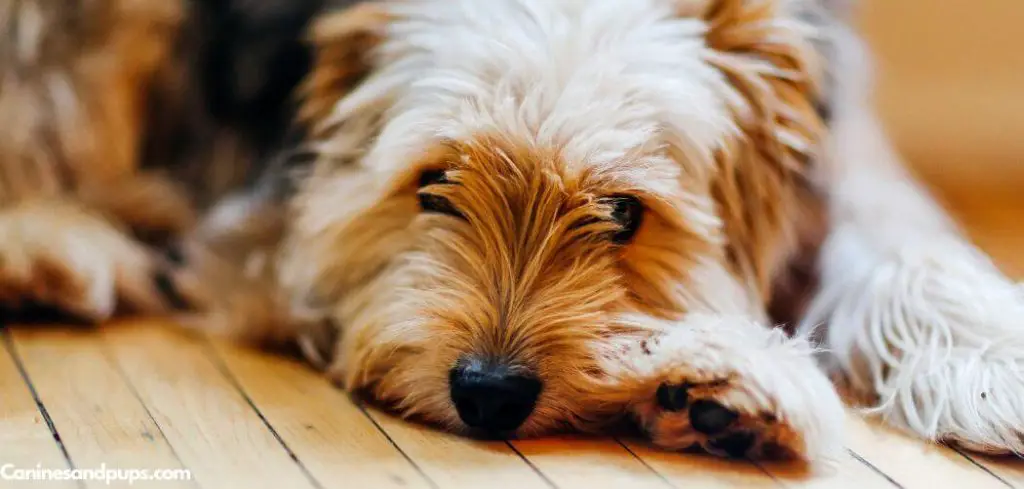
Dog Not Feeling Well After Vaccine: Common Causes
Injection-Site Pain or Swelling
Local reactions are extremely common and can make a dog appear unwell. When a vaccine is administered, the body may react with localized inflammation, leading to soreness or swelling where the injection was given.
This discomfort can cause dogs to limp, avoid being touched, or seem unusually quiet.
Some dogs may even lick at the area or hold themselves stiffly because the muscle feels tender.
It’s also possible for a small, firm lump to form under the skin, which can remain for days or even weeks without being harmful.
Though this is usually minor, it can clearly affect a dog’s comfort and behavior. A painful injection site is one of the most common, harmless reasons a dog isn’t feeling well after vaccination.
Related: Dog diarrhea after vaccines (Why it happens)
Normal Immune Response
A normal immune response is one of the most common reasons a dog feels unwell after a vaccination.
Vaccines work by stimulating the immune system, encouraging it to recognize and fight the targeted illness in the future. This process can temporarily make a dog feel tired or sluggish.
Some dogs may sleep more than usual, seem uninterested in play, or have a reduced appetite for a short period.
Mild fever is also a typical part of this process, as the body increases its temperature slightly to activate immune cells more effectively.
This type of reaction usually resolves within 24–48 hours and is not considered dangerous.
However, it can still be worrying to watch your dog feel off, especially if the symptoms seem stronger than expected.
Mild Allergic Reaction
A mild allergic response can also cause a dog to feel unwell after a vaccine. These reactions tend to appear within a few hours and may include itchiness, puffy eyes, hives, or facial swelling.
While these symptoms can look dramatic, they are generally manageable with veterinary support and do not always indicate a life-threatening emergency.
However, even a mild allergic reaction causes discomfort, which can make a dog act clingy, restless, or lethargic. Some dogs may pant, pace, or seem more anxious than normal.
Allergic reactions happen because the immune system reacts too strongly to an ingredient in the vaccine, and even a low-grade response can make a dog feel sick or “off.” Monitoring is essential to ensure the symptoms do not worsen.
Fever Triggered by the Vaccine
Vaccines commonly cause short-term fevers that make a dog feel unwell. A fever helps boost the immune response, but it can also cause symptoms like shaking, hiding, panting, and a refusal to eat.
Dogs with a fever may lie around more, seem unmotivated to move, or drink less water.
Some owners may notice their dog’s body feels unusually warm or that their nose is dry, both of which are common fever signs. Most vaccine-related fevers are low-grade and last less than a day.
Even though medically normal, these fevers significantly affect how a dog feels. They are a major reason many owners report their dog “not acting like themselves” after shots.
Gastrointestinal Upset
Stomach-related symptoms can also make dogs feel sick after a vaccine. The digestive system is sensitive to immune changes, so mild vomiting, diarrhea, or reduced appetite can occur.
These issues typically arise within a few hours of vaccination and resolve within a day or two.
Some dogs may refuse food because they feel slightly nauseous. Others may experience softer stools or increased gas as their system reacts.
While this type of upset is usually not dangerous, it contributes significantly to overall discomfort, especially in dogs that are already prone to digestive sensitivity.
Rare but Serious Vaccine Reaction
Though uncommon, a more serious reaction can cause a dog to feel significantly unwell.
These reactions include anaphylaxis, high fever, severe swelling, collapse, or difficulty breathing. When they occur, they generally happen quickly—often within minutes to a few hours.
The dog may appear extremely weak, show pale gums, or be unable to stand. Although rare, these reactions are medical emergencies and require immediate veterinary care.
Most dogs will never experience this type of severe reaction, but owners should still be aware of the signs so they can act quickly if needed.
Read more: Dog Lump After Vaccine (Why it happens)
What to Do If Your Dog Is Not Feeling Well After a Vaccine
If your dog isn’t feeling well after a vaccine, the first step is to keep them comfortable and give them time to rest. Many dogs simply need a quiet day with minimal activity so their body can recover.
Encourage rest by providing soft bedding and avoiding unnecessary handling of the sore injection site.
Offer small amounts of water regularly to prevent dehydration, especially if your dog seems sluggish or has a mild fever.
If your dog’s appetite is reduced, you can offer bland foods such as plain boiled chicken and rice to encourage eating. Avoid forcing food; most dogs regain their appetite once the immune response settles down.
Monitor your dog closely for any changes in their symptoms. Keep an eye on the injection site for swelling or heat, observe breathing patterns, and note whether your dog becomes more lethargic instead of improving.
If your dog has mild soreness or a small lump at the injection site, applying a warm compress for a few minutes at a time may provide relief.
It’s also helpful to limit exercise and excitement until your dog seems comfortable again. Overexertion can worsen soreness or fever-related discomfort. Most mild reactions resolve within 24–48 hours, but you should always trust your instincts. If anything feels “off,” contacting your veterinarian is the safest choice.
When to Call or Visit Your Vet
You should contact your veterinarian immediately if your dog shows symptoms that worsen instead of improving. Persistent lethargy lasting more than 48 hours, refusal to eat for a full day, or repeated vomiting are signs the reaction may be stronger than expected.
Call your vet right away if your dog experiences facial swelling, hives, or difficulty breathing. These may indicate an allergic reaction that requires prompt medical care. Dogs that collapse, stagger, or seem unable to stay awake also need urgent attention.
If the injection site becomes extremely swollen, hot, or painful, or if you notice oozing, redness, or a rapidly enlarging lump, your vet should examine the area. These symptoms can indicate an infection or abscess.
Trust your gut—if you feel worried, it’s always better to have your dog checked. Your veterinarian can provide medication to ease symptoms or treat more serious reactions quickly.
Related: Dog side effects after vaccines (Understanding why it happens)
Key Takeaway
A dog not feeling well after a vaccine is common, and most mild symptoms improve within a day or two. Your dog may be tired, sore, feverish, or have a reduced appetite as their immune system responds.
While these reactions are usually harmless, it’s important to watch for any signs that point to something more serious.
With rest, monitoring, and prompt veterinary care when needed, your dog will typically recover quickly and benefit from the long-term protection vaccines provide.