
It can be alarming to see your dog limping after receiving a vaccine, especially if the limp develops hours later or the next day.
Because limping is unexpected after a routine appointment, many owners worry something has gone wrong or that their dog is having a serious reaction.
This guide outlines the most common causes of limping after a vaccine, what you can do at home, and when to seek veterinary help.
Dog Limping After Vaccine: Why It Happens
A dog limping after a vaccine is typically caused by soreness at the injection site, mild inflammation from the immune response, muscle stiffness, or sensitivity to the vaccine ingredients. Some dogs also limp due to stress-related tension or unrelated injuries that happen around the same time.
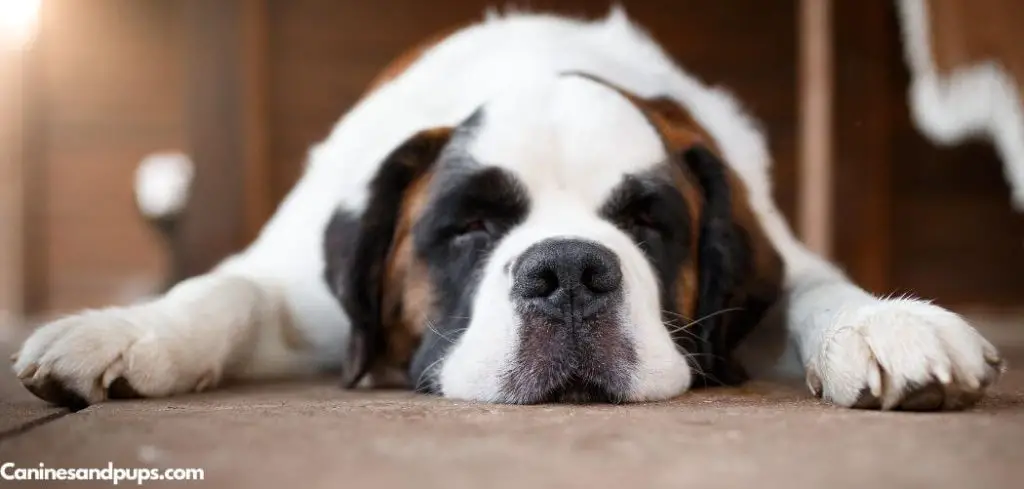
Dog Limping After Vaccine: Common Causes
Injection Site Soreness
Injection site soreness is one of the most common reasons a dog limps after a vaccine.
Vaccines are typically given in the shoulder, thigh, or back leg. The small needle puncture combined with the vaccine material entering the tissue can create temporary inflammation, leading to localized tenderness.
Dogs may limp on the affected leg, avoid putting weight on it, or flinch when the area is touched. This is similar to how people feel after receiving vaccines that leave the arm sore for a day or two.
The soreness usually appears within a few hours and can intensify slightly the next morning. Because muscle fibers and tissues are adjusting to the injection, dogs may appear stiff or hesitant to walk normally until the inflammation settles.
Most injection-related limping resolves within 24–48 hours as the tissue calms down.
This type of soreness is generally mild and not a sign of a dangerous reaction.
Related: Dog diarrhea after vaccines (Why it happens)
Localized Vaccine Inflammation
In addition to soreness, vaccines can cause a small area of inflammation where the immune system is responding to the injected material.
This immune activation is expected, but in some dogs, the local inflammatory response can be stronger, leading to stiffness or limping on the affected limb.
If the inflammation causes swelling, your dog may shift weight, walk gingerly, or favor the opposite leg. You might notice a small, warm bump at the injection site, which is considered normal within the first 24–48 hours.
When the immune system is particularly active — often in puppies or sensitive dogs — the inflammation can temporarily stiffen the nearby muscle. This stiffness can affect walking, jumping, and running until the dog feels more comfortable.
While this reaction is generally harmless, it can look dramatic in small or short-legged breeds who show discomfort more easily.
Muscle Strain from Vaccination Restraint
During a vaccine appointment, dogs are often gently restrained to keep them still. Even calm dogs may tense up suddenly, twist, try to pull away, or brace themselves. These brief moments of resistance can strain the shoulder, hip, or thigh muscles.
A mild strain may not show immediately but can cause limping the next day when the muscle tightens. Dogs may seem stiff after sleeping or show sudden lameness after rising from rest.
This type of strain tends to be minor but can take a little longer to resolve than injection-site soreness.
Because the strain affects a larger section of the muscle, the limp may appear more noticeable, though still temporary.
You may also see subtle signs of discomfort, such as slower walking, hesitation on stairs, or reluctance to jump.
Delayed Immune Response Affecting Joints or Muscles
Some dogs experience a delayed immune response after vaccines, which can temporarily affect joints and muscles.
This reaction usually occurs 12–24 hours after the appointment, which is why some dogs limp the next morning even though they seemed fine right after the visit.
Mild fever, fatigue, or body aches can accompany this response. Because muscles can feel achy, a dog may walk stiffly or favor one leg.
This immune-related stiffness is more common after combination vaccines or when multiple shots are given in the same appointment.
Puppies and small breeds may show a stronger response, though any dog can experience temporary joint or muscle discomfort.
Although this reaction can be surprising, it is typically short-lived and improves quickly with rest.
Small Breed Sensitivity to Vaccines
Toy breeds and small dogs are more sensitive to vaccines overall. Even normal doses can feel proportionately larger in their smaller muscles, leading to more noticeable limping or stiffness.
Chihuahuas, Yorkies, Pomeranians, Maltese, Dachshunds, and other small dogs often react with soreness or temporary lameness.
This sensitivity does not mean the vaccine is unsafe — only that the dog’s body responds with stronger local inflammation.
Small breeds also tend to express discomfort more clearly. Where a large dog may walk normally despite soreness, a tiny dog may limp dramatically even with mild irritation.
If your small dog has reacted strongly in the past, your vet may recommend spacing vaccines out or adjusting the injection location during future visits.
Coincidental Injury or Preexisting Condition
It’s also possible that your dog’s limping is unrelated to the vaccine. Dogs can strain a muscle while jumping into the car, twist awkwardly getting in or out of the vet office, or injure themselves at home around the same time.
Arthritis, hip dysplasia, or joint flare-ups can also coincidentally appear after a vet visit, causing owners to assume the vaccine triggered the limp.
Older dogs or dogs with orthopedic issues may show symptoms the day after an exciting or stressful visit.
Because the timing overlaps, it’s easy to link the limp to the vaccine, even when the cause is something else entirely.
Watching for additional signs like swelling, lameness in multiple limbs, or worsening discomfort can help differentiate between vaccine-related stiffness and a separate injury.
Related: Dog throw up day after vaccine (Is it normal?)
What to Do If Your Dog Is Limping After a Vaccine
If your dog is limping after a vaccine, begin by assessing how severe the limp is and how your dog is behaving overall.
Most limping after vaccination is mild and resolves quickly with rest and supportive care. Allow your dog to rest and avoid running, jumping, rough play, or long walks for the next 24 hours.
Because sore muscles and injection sites worsen with activity, keeping your dog quiet helps inflammation settle.
You can gently feel the injection site to check for warmth, swelling, or tenderness. If your dog reacts strongly to touch, they may simply be experiencing soreness from the shot rather than something more serious.
Applying a warm compress to the injection area for a few minutes at a time can help increase comfort. Warmth relaxes stiff muscles and improves circulation around the sore spot.
Behaviorally, give your dog time to settle, sleep, and recover. Many dogs feel better after a good rest, especially if the limping is tied to muscle tension or immune-related body aches.
If your dog seems uncomfortable, your veterinarian may recommend a safe anti-inflammatory medication. Never give human medications without veterinary approval, as many are toxic to dogs.
Monitor your dog throughout the day to see if the limp improves with rest. Most simple post-vaccine limping begins improving within 12–24 hours.
When to Call or Visit Your Vet
Contact your veterinarian if your dog’s limp does not improve within 24–48 hours. Limping that persists longer than expected may indicate stronger inflammation or a coincidental injury.
Seek care sooner if your dog is refusing to walk, crying in pain, or unable to bear weight on the leg. These signs suggest something more serious than typical vaccine soreness.
If the injection site becomes significantly swollen, hot, or develops a firm lump that keeps growing, call your vet. Small lumps can be normal, but rapidly enlarging swelling may indicate a reaction that needs treatment.
Fever, vomiting, diarrhea, heavy lethargy, or difficulty breathing require immediate veterinary attention. These symptoms may indicate a rare but more significant vaccine reaction.
Puppies, small breeds, and dogs with a history of vaccine sensitivity should be monitored closely. Your vet may adjust vaccine schedules, spacing, or formulations for future appointments.
Related: Dog side effects after vaccines (Understanding why it happens)
Key Takeaway
A dog limping after a vaccine is usually caused by soreness, inflammation, muscle tension, or sensitivity in the injection area. Most cases improve quickly with rest, warmth, and supportive care.
However, severe limping, worsening discomfort, or additional symptoms should always prompt a call to your veterinarian.
By staying observant and responding early when something seems off, you can keep your dog safe and comfortable during their vaccine recovery.