
It can be concerning when your dog repeatedly licks their lips throughout the night, especially if the behavior keeps them awake or is accompanied by other unusual symptoms.
While occasional lip licking is a normal behavior, excessive lip licking at night often signals nausea or another underlying medical condition.
Because dogs cannot tell us when they feel unwell, persistent lip licking is often an important clue that something is wrong.
Table of Contents
Dog Licking Lips Excessively at Night: Why It Happens
A dog may lick their lips excessively at night because of nausea, acid reflux, dental disease, anxiety, oral pain, or another underlying medical condition.
The behavior often becomes more noticeable at bedtime because there are fewer distractions and some digestive problems naturally worsen overnight.
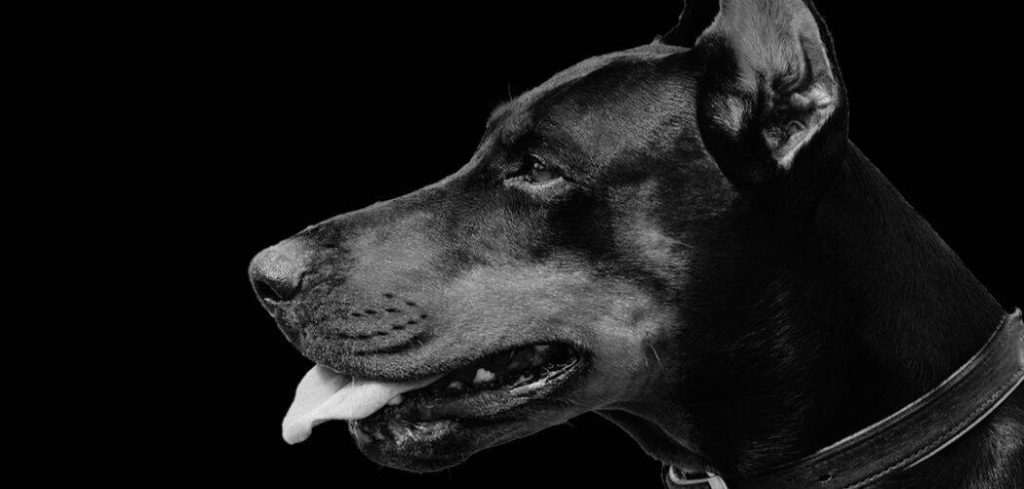
Dog Licking Lips Excessively at Night: Common Causes
Nausea
One of the most common reasons dogs lick their lips excessively at night is nausea.
When dogs feel sick to their stomach, they often produce extra saliva and instinctively lick their lips or swallow repeatedly. The behavior may occur for several minutes or continue throughout the night.
Nausea can develop because of gastritis, pancreatitis, kidney disease, liver disease, dietary indiscretion, intestinal disease, or many other medical conditions.
Many dogs also drool, eat grass, vomit, or lose interest in food the following morning.
Read more: Dog excessively licking lips suddenly (Why it happens)
Acid Reflux
Acid reflux is another frequent cause of nighttime lip licking. As stomach acid moves backward into the esophagus, it causes irritation and a burning sensation that becomes more noticeable when a dog is lying down or when the stomach has been empty for several hours.
Dogs often wake up licking their lips, swallowing repeatedly, gulping, or pacing around the house. Some may cough, gag, or regurgitate small amounts of fluid.
The behavior commonly occurs late at night or early in the morning before breakfast.
Read more: Dog excessively licking lips and swallowing (What it means)
Dental Disease
Painful dental conditions frequently cause excessive lip licking. Loose teeth, severe tartar buildup, inflamed gums, tooth root abscesses, or mouth ulcers can stimulate repeated licking as dogs try to relieve oral discomfort.
Also noticed is bad breath, drooling, chewing on one side of the mouth, dropping food, or reluctance to eat hard kibble.
Dental disease becomes increasingly common as dogs age and often requires professional treatment.
Anxiety or Stress
Some dogs lick their lips repeatedly because they feel anxious. Nighttime anxiety may be triggered by thunderstorms, fireworks, unfamiliar noises, separation from family members, or changes in routine.
Older dogs with hearing loss or canine cognitive dysfunction may also become more anxious after dark.
Lip licking is one of several calming behaviors dogs use to cope with stress. Many anxious dogs also pace, pant, whine, or have difficulty settling down.
If the behavior only occurs during stressful situations, anxiety becomes a more likely explanation.
Mouth Injury or Foreign Object
An injury inside the mouth can cause persistent lip licking. Small cuts, burns, grass awns, sticks, splinters, or food lodged between the teeth may irritate the mouth and cause dogs to lick repeatedly.
Some dogs paw at their mouths, drool excessively, shake their heads, or refuse food because chewing is painful.
A careful oral examination by your veterinarian may be needed to locate the source of irritation.
Motion of an Empty Stomach (Bilious Vomiting Syndrome)
Some dogs develop nausea overnight because their stomach remains empty for long periods.
Stomach acid and digestive fluids can irritate the stomach lining, causing lip licking, swallowing, restlessness, and sometimes vomiting yellow foam during the early morning hours.
The condition is often more common in dogs that eat only one meal per day or have long gaps between meals.
Feeding a small bedtime snack may help some dogs, but your veterinarian should first confirm the diagnosis.
Canine Cognitive Dysfunction
Older dogs with canine cognitive dysfunction may develop repetitive nighttime behaviors.
As the brain ages, some dogs become confused after dark and begin pacing, staring, wandering, or repeatedly licking their lips without an obvious reason.
Additional signs include disrupted sleep, house-soiling accidents, altered interactions with family members, or getting stuck behind furniture.
Although cognitive dysfunction cannot be cured, early treatment may help improve your dog’s quality of life.
Dog Licking Lips Excessively at Night: What to Do
Observe exactly when the lip licking begins and whether it occurs before sleeping, during the night, or early in the morning.
Monitor your dog for vomiting, repeated swallowing, drooling, pacing, coughing, or appetite changes.
If your dog allows it, check the mouth for broken teeth, swollen gums, bad breath, or obvious foreign objects.
Keep a record of meal times and note whether the behavior improves after eating.
Do not give human antacids or medications unless instructed by your veterinarian.
When to Call or Visit the Vet
Contact your veterinarian if your dog repeatedly licks their lips at night or the behavior becomes more frequent.
Schedule an appointment if you notice:
Persistent lip licking
Repeated swallowing
Drooling
Bad breath
Reduced appetite
Nighttime pacing
Seek immediate veterinary attention if your dog develops:
Repeated vomiting
Difficulty breathing
A swollen abdomen
Collapse
Severe mouth bleeding
Inability to swallow
Dog Licking Lips Excessively at Night: Treatment
Veterinary assessment includes a physical examination to evaluate your dog’s mouth, digestive system, and overall health.
Depending on the suspected cause, diagnostic testing may include bloodwork, urinalysis, dental examination, abdominal imaging, or additional gastrointestinal testing.
Treatment depends on the underlying cause and may include anti-nausea medication, acid-reducing medications, dental treatment, dietary adjustments, treatment of chronic diseases, anxiety management, or therapy for canine cognitive dysfunction.
Recovery and Monitoring
Recovery depends on the reason for the nighttime lip licking. Dogs with mild digestive upset or acid reflux often improve quickly with appropriate treatment, while chronic conditions such as kidney disease, dental disease, or canine cognitive dysfunction usually require long-term management.
Continue monitoring your dog’s appetite, sleeping habits, lip licking frequency, and overall behavior. Regular veterinary checkups are important because many conditions that cause excessive lip licking become more common with age and respond best when treated early.
Key Takeaway
A dog that licks their lips excessively at night may be experiencing nausea, acid reflux, dental disease, anxiety, oral pain, bilious vomiting syndrome, or canine cognitive dysfunction.
While occasional lip licking is normal, persistent nighttime lip licking often indicates an underlying problem that should not be ignored.
If the behavior continues, worsens, or is accompanied by vomiting, drooling, appetite loss, or difficulty swallowing, a veterinary examination can help identify the cause and provide the most appropriate treatment to keep your dog comfortable.


