
It can be distressing to watch your dog obsessively lick themselves or objects and then head outside to eat grass.
These behaviors may seem odd or harmless at first, but they can signal underlying issues ranging from digestive discomfort to anxiety.
Table of Contents
Dog Licking Excessively and Eating Grass: Why It Happens
Excessive licking paired with grass eating in dogs often points to gastrointestinal upset, stress, boredom, or underlying health problems. Some dogs turn to licking or grass consumption as a coping mechanism, while others may be trying to induce vomiting or relieve nausea.
This combination of behaviors is usually not random—it’s a sign your dog is trying to communicate discomfort, and identifying the root cause is key to helping them feel better.
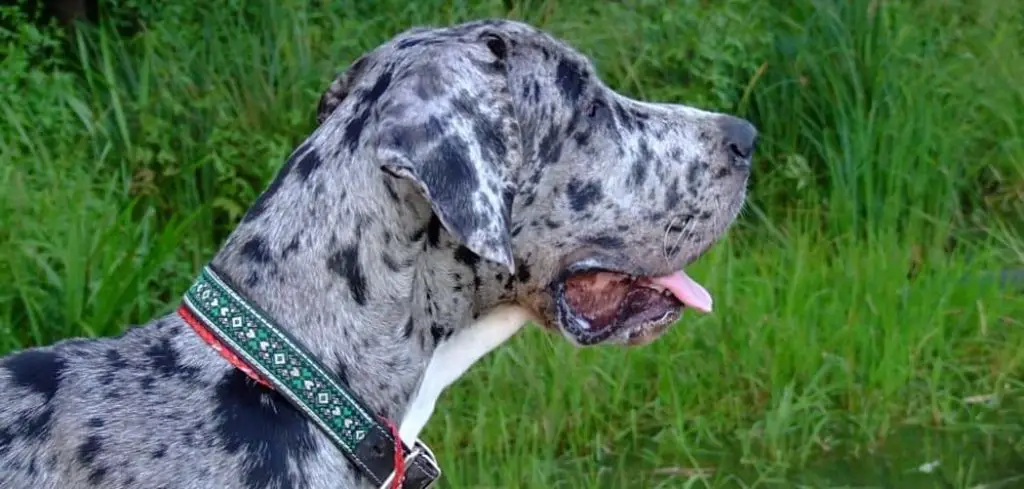
Dog Licking Excessively and Eating Grass: Common Causes
Gastrointestinal Upset
When a dog experiences nausea or indigestion, they may begin licking surfaces, their lips, or even the air as a sign of queasiness.
They might then go outside to eat grass in an attempt to self-soothe or make themselves vomit.
You may notice additional signs like drooling, loss of appetite, or vomiting yellow bile.
This pattern is especially common if your dog eats something they shouldn’t have or has a sensitive stomach.
Frequent licking and grass consumption can be your dog’s way of coping with gastrointestinal distress.
Read more: Dog licking excessively (Find out why this happens)
Anxiety
Dogs suffering from anxiety—whether due to separation, loud noises, or new environments—may develop repetitive behaviors like excessive licking.
They might also eat grass to distract or soothe themselves, similar to how humans might snack when stressed.
Signs of anxiety can include pacing, whining, panting, and hiding.
These behaviors can become more frequent or intense over time if the root stressor isn’t addressed.
Chronic anxiety may require both behavioral intervention and medical support.
Obsessive-Compulsive Disorder (OCD)
In some dogs, excessive licking becomes compulsive. This could involve constant paw licking, flank licking, or licking furniture, accompanied by rituals like eating grass.
OCD-like behavior often appears in high-strung or under-stimulated dogs.
Without intervention, these habits can become ingrained and interfere with quality of life.
Your veterinarian may recommend behavior modification strategies or medications to help manage compulsive tendencies.
Nutritional Deficiencies
If your dog’s diet is lacking in fiber or other nutrients, they may turn to grass-eating to compensate.
Licking could also be a sign that they’re trying to clean or comfort themselves when they feel off internally.
Switching to a high-quality, balanced diet may reduce these behaviors over time. A nutritional assessment from your vet can help rule out any imbalances. Dogs with unbalanced homemade diets are particularly at risk.
Nausea from Medications or Illness
Certain medications, especially antibiotics or anti-inflammatories, can cause nausea as a side effect.
Dogs may respond by licking excessively or eating grass to relieve discomfort.
Underlying illnesses like pancreatitis, kidney disease, or liver problems can also trigger similar symptoms.
Look for additional clues like lethargy, reduced appetite, or vomiting. Veterinary evaluation is essential if these signs persist alongside the behavior.
Parasites
Internal parasites such as roundworms or hookworms can cause nausea, digestive upset, and increased licking.
Infected dogs may also eat grass more often as a response to discomfort.
Routine deworming and fecal tests are essential, especially if your dog is exposed to contaminated environments.
If left untreated, parasites can cause chronic GI issues and nutritional deficiencies.
Old Dog Licking Excessively and Eating Grass
An older dog that is excessively licking and also eating grass is often showing signs of internal discomfort, most commonly nausea or gastrointestinal irritation.
Grass eating can sometimes be a response to an upset stomach, while excessive licking—especially of the lips, paws, or objects—can also indicate nausea, anxiety, or underlying pain.
In senior dogs, these behaviors may be more noticeable because age-related conditions such as kidney disease, liver issues, dental disease, or digestive disorders can contribute to ongoing discomfort.
This combination should not be ignored if it becomes frequent or persistent. When it happens repeatedly, it may signal a chronic medical issue rather than a simple habit, especially if accompanied by appetite changes, vomiting, or weight loss.
Dog Licking Excessively and Eating Grass: What to Do
First, observe when and how often the behavior occurs. Is it linked to mealtimes, boredom, or being left alone?
Offer distractions like food puzzles, chew toys, or more frequent walks to reduce stress-related licking.
Make sure your dog’s diet is balanced and appropriate for their age, size, and activity level.
Avoid harsh discipline—instead, redirect your dog when you notice the behavior and reward calm, relaxed moments.
You can also provide small, bland meals (like boiled chicken and rice) if nausea is suspected, but this should not replace veterinary guidance if symptoms persist.
When to Call or Visit Your Vet
If your dog’s excessive licking and grass-eating become daily or interfere with their normal behavior, a vet visit is necessary.
Also seek help if you notice:
Vomiting, especially with bile or blood
Refusing food or water
Lethargy or disinterest in play
Significant weight loss
Drooling or smacking lips frequently
Abdominal bloating or pain
These signs can indicate serious gastrointestinal issues, poisoning, or other health problems that require immediate attention.
Read more: Dog Licking Lips and Not Eating (What it means)
Dog Licking Excessively and Eating Grass: Treatment
Treatment depends on identifying the underlying cause of the behavior. The veterinarian typically assesses for gastrointestinal disease, dental problems, parasites, or organ-related conditions through physical examination and possibly blood or stool tests.
If nausea or digestive irritation is confirmed, treatment may include anti-nausea medication, dietary changes, probiotics, or deworming depending on the cause.
At home, managing the dog’s diet with consistent, easily digestible food and preventing access to grass can help reduce symptoms while recovery is underway.
Key Takeaway
Excessive licking and grass-eating in dogs is more than just a quirky habit—it’s a signal that something deeper may be going on.
Whether it’s nausea, anxiety, or dietary imbalance, understanding the cause is the first step to helping your dog feel better.
Don’t ignore these behaviors if they become routine. With careful observation, a few lifestyle adjustments, and professional input when needed, you can help your dog feel calmer, healthier, and more at ease.


