
If your dog is lethargic and shaking after grooming, you’re probably feeling concerned and unsure whether it’s something normal or an emergency.
Grooming sessions—whether at home or by a professional—can be physically and emotionally stressful for some dogs, leading to behavior changes afterward.
We outline the causes behind your dog acting lethargic and shaking after grooming, what to do about it, and when it’s time to seek vaterinary care.
Table of Contents
Dog Lethargic and Shaking After Grooming: What’s Happening?
If your dog is lethargic and shaking after grooming, it could be due to stress, fear, exposure to cold water or air, or a reaction to grooming products. Some dogs experience anxiety during grooming, especially if it’s their first time or if they’ve had a negative experience before.
Shaking and lethargy can also be signs of physical discomfort from handling, matted hair removal, or minor cuts.
In rare cases, an allergic reaction to shampoos or sprays, or underlying medical conditions triggered by stress, can cause these symptoms.
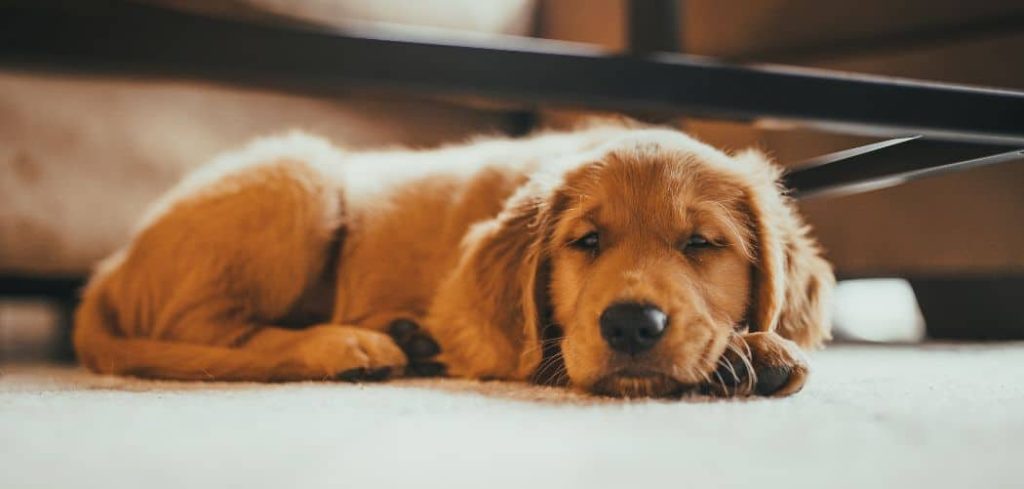
Dog Lethargic and Shaking After Grooming: Common Causes
1. Stress and Anxiety From Grooming
One of the most common reasons for a dog acting lethargic and shaking after grooming is stress.
For many dogs, grooming isn’t a spa day—it’s a source of anxiety.
Loud clippers, unfamiliar people, being restrained, and water can all trigger a fear response.
How Stress Affects Dogs Physically:
Shaking is a common anxiety response caused by an adrenaline surge.
Lethargy can occur as the body crashes after a high-stress episode.
Dogs might also hide, whimper, or avoid interaction after a grooming session.
Even if your dog normally tolerates grooming, certain changes—like a new groomer, different tools, or an unfamiliar environment—can trigger anxiety.
Especially in sensitive or high-strung breeds, like Chihuahuas or Shelties, grooming-induced stress can leave your dog exhausted and shaky.
Related: Dog lethargic and shaking head (Explained)
2. Temperature Sensitivity and Cold Shock
Another reason your dog may be lethargic and shaking after grooming is exposure to cold temperatures—especially if the grooming involved bathing. Dogs with short fur or thin body mass can become chilled quickly.
Common cold-related symptoms:
Shivering or muscle tremors
Weakness or sluggish behavior
Curling up or seeking warmth
Even in warmer weather, air conditioning in grooming salons or cool water used during a bath can result in a temperature drop that leaves your dog shivering.
This is especially true for smaller breeds and those recently clipped.
3. Reaction to Shampoo or Grooming Products
Some dogs experience allergic reactions or skin sensitivity to shampoos, conditioners, or sprays used during grooming.
If your dog is shaking and lethargic after grooming, it could be a mild allergic response or chemical irritation.
Look for additional signs:
Red or itchy skin
Excessive licking or scratching
Rashes or hives
Unusual odor
In some cases, chemical exposure can also cause systemic reactions, making the dog appear fatigued or even nauseated.
Using hypoallergenic grooming products or discussing sensitivities with your groomer can help avoid future issues.
Related: Dog shaking and panting for no reason (Explained)
4. Overexertion or Physical Discomfort
Grooming often requires your dog to stand in awkward or stressful positions for extended periods.
This can result in fatigue, muscle soreness, or even minor injury—especially for senior dogs or those with arthritis or joint issues.
Signs of physical discomfort include:
Lethargy or stiffness
Shaking due to soreness or pain
Reluctance to move or lie down
Limping or yelping when touched
If your dog is lethargic and shaking after grooming and also appears sore, it’s worth checking for signs of sprains, back issues, or excessive handling during grooming.
5. Dehydration or Hypoglycemia
If your dog hasn’t eaten or drank water for several hours before and during the grooming session, they may be dehydrated or have low blood sugar.
This is especially common in small-breed dogs, like Yorkies or Pomeranians, who are more prone to hypoglycemia.
Symptoms include:
Shaking or tremors
Weakness or disorientation
Pale gums
Lethargy or collapse
If your dog is acting disoriented or unusually tired after grooming and hasn’t had a meal or drink in several hours, offer food and water immediately and monitor for improvement.
6. Ear Cleaning and Inner Ear Disturbance
Ear cleaning is often a part of grooming, but for some dogs, it can trigger dizziness or inner ear discomfort—leading to shaking or lethargy afterward.
Signs may include:
Head tilting
Unsteady walking
Shaking head or ears
Lethargy and disorientation
If grooming included aggressive or deep ear cleaning, fluid or pressure changes can make your dog feel unbalanced or nauseated, causing them to appear tired and off-balance.
7. Grooming Clipper Burns or Skin Irritation
Clipper burns happen when electric grooming tools are used too close to the skin or at high temperatures.
This can irritate or damage the skin, leading to pain and lethargy. Dogs may shake in response to discomfort.
Additional signs:
Redness or visible irritation
Excessive licking or biting at the area
Whining or yelping when touched
Carefully check your dog’s underbelly, inner legs, and armpits for signs of clipper rash or burns if they seem lethargic and uncomfortable after grooming.
8. Underlying Medical Conditions Triggered by Grooming Stress
Sometimes, grooming doesn’t directly cause the issue—but triggers an existing condition.
Dogs with chronic illnesses like heart disease, diabetes, or epilepsy may have their symptoms exacerbated by stress, leading to lethargy and shaking.
Common chronic conditions to consider:
Seizure disorders
Hypothyroidism
Heart issues
Cushing’s disease
If your dog has a pre-existing health condition, even mild grooming stress can cause a flare-up.
Always inform your groomer about any medical issues beforehand.
Old Dog Lethargic and Shaking After Grooming
An older dog that becomes lethargic and shaky after grooming may be reacting to stress, overheating, or physical discomfort from the grooming process.
Senior dogs are more sensitive to handling, noise, and prolonged standing, which can leave them exhausted afterward.
Shaking may also occur if the dog is anxious, cold after a bath, or overwhelmed by the experience.
However, in older dogs, post-grooming weakness and tremors should be taken seriously because they can also reveal underlying health problems such as arthritis pain, heart disease, low blood sugar, or hidden illness that became noticeable after stress.
If the symptoms are severe or persist, veterinary evaluation is important.
How Long Will My Dog Act Weird After Grooming?
Most dogs return to normal within a few hours after grooming once they have rested, eaten, and calmed down.
Mild fatigue, shivering, or clinginess can last the rest of the day, especially if the grooming session was long, stressful, or included bathing, drying, or nail trimming.
If a dog continues acting weak, shaky, disoriented, or unusually quiet beyond 24 hours, this is not typical grooming stress. In such cases, an underlying medical issue or adverse reaction may be present, and a veterinary check is required.
What to Do If Your Dog Is Lethargic and Shaking After Grooming
If your dog is shaking and lethargic after grooming, monitor their behavior closely for a few hours. Here’s what you can do:
Keep them warm: Wrap them in a towel or blanket if they’re cold or wet.
Offer food and water: Low energy and shaking could be due to hunger or dehydration.
Provide a quiet space: Let your dog rest and recover from the stress.
Check for physical injuries: Gently inspect for skin irritation, cuts, or soreness.
Use calming tools: Pheromone diffusers or calming chews can help soothe post-grooming anxiety.
Gentle reassurance and avoiding further stimulation can help the dog recover more quickly.
If symptoms persist for more than a few hours, or if your dog displays other symptoms like vomiting, labored breathing, pale gums, or weakness, contact your veterinarian.
When to Seek Veterinary Help Immediately
Call your vet right away if:
Your dog’s shaking and lethargy last longer than 12–24 hours.
You notice signs of pain, such as whining or sensitivity to touch.
There’s vomiting, diarrhea, or collapse after grooming.
Your dog is panting heavily or has difficulty walking.
You suspect an allergic reaction (hives, swelling, difficulty breathing).
Dog Lethargic and Shaking After Grooming: Treatment
Treatment for a dog that is lethargic and shaking after grooming depends on the cause.
The veterinarian may examine the dog to rule out pain, hypoglycemia, overheating, or other medical issues that may have been triggered or revealed by grooming.
Treatment could include fluids, pain relief, or supportive care depending on findings.
Key Takeaway
If your dog is lethargic and shaking after grooming, it could be due to a variety of causes—ranging from mild stress or cold exposure to serious reactions or underlying illness.
While many dogs bounce back with rest and reassurance, others may need prompt medical attention.
Being informed helps you take quick and appropriate action.
Always monitor your dog after grooming, communicate with your groomer about any special needs, and seek veterinary care when something feels off.
By staying alert to your dog’s needs, you can make grooming a safer and more comfortable experience for your furry friend.


