
A dog itching after vaccines can be alarming, especially when the reaction starts shortly after the appointment.
Many dogs experience mild post-vaccine discomfort, but itching can also signal a stronger reaction that owners shouldn’t ignore.
We outline the most common causes of itching after vaccines, what you can do at home, and when to seek veterinary help.
Dog Itching After Vaccines: Why It Happens
A dog itching after vaccines usually happens because the immune system is reacting to the injection. This can lead to localized irritation at the injection site, mild allergic reactions, or, in some cases, more significant hypersensitivity responses that make dogs itch their face, paws, chest, or entire body.
Some dogs are simply more sensitive and may scratch or rub as their body processes the vaccine. Others may develop hives or swelling that causes sudden itchiness.
In rare cases, a dog can experience a more serious allergic response shortly after vaccination, making the itching much more intense.
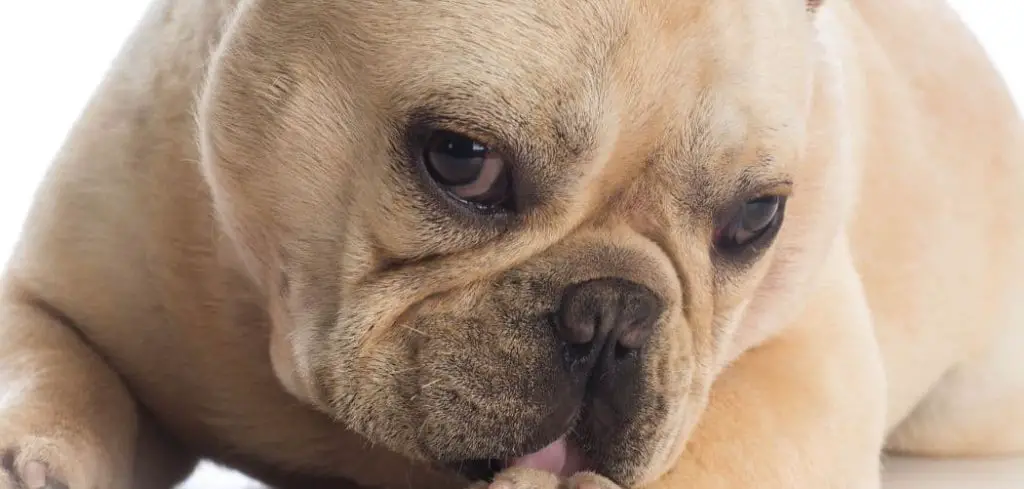
Dog Itching After Vaccines: Common Causes
Local Injection Site Irritation
One of the most common reasons for dog itching after vaccines is simple irritation at the injection site.
When the vaccine is injected into the skin or muscle, the area can become mildly inflamed as the body begins forming immunity. This inflammation may make the spot feel itchy, warm, or tender.
Your dog may try to scratch, lick, or rub the area because of the discomfort. Some dogs react more strongly, especially if they have sensitive skin or a history of skin allergies.
Although this type of itching is usually mild and short-lived, it can look dramatic if a dog focuses heavily on the area or accidentally causes redness by rubbing too hard.
Related: Dog diarrhea after vaccines (Why it happens)
Mild Allergic Reaction
A mild allergic reaction is another frequent reason for a dog itching after vaccines. This happens when the immune system becomes briefly overactive and causes histamine release. Histamine can make the skin itchy, puffy, or warm.
You may notice your dog scratching their neck, face, or sides, or suddenly developing small bumps resembling mosquito bites.
Most dogs settle quickly as the reaction resolves, but some may continue scratching for hours if the itchiness feels intense. Dogs with seasonal allergies, food sensitivities, or environmental triggers are often more prone to post-vaccine itching.
Vaccine Related Hives
Some dogs develop hives after vaccines, also called urticaria. These raised, round, itchy welts appear suddenly—sometimes within minutes or hours of vaccination. Hives can appear anywhere on the body, but they often cluster around the face, ears, belly, and chest.
Because hives are extremely itchy, they cause frantic scratching, rubbing against furniture, or pawing at the face. This reaction can be startling for owners, but in many cases, it is treatable and resolves with appropriate care.
However, hives are considered a more obvious sign of an allergic reaction and should not be ignored.
Facial Swelling or Lip Swelling
In some dogs, itching is caused by swelling around the muzzle, lips, eyelids, or ears.
This occurs when blood vessels in the face become inflamed from an allergic reaction. Swelling can feel tight or uncomfortable, leading dogs to scratch or rub their face against surfaces.
Facial swelling is more serious than typical itching because it can progress quickly. Dogs with swelling may also drool, paw at their mouth, or act restless as swelling spreads.
While mild swelling may look subtle at first, it can worsen rapidly and should be monitored closely.
Delayed Hypersensitivity Reaction
Not all vaccine reactions happen immediately. Some dogs experience what’s called a delayed hypersensitivity response.
This reaction can cause itching that begins hours or even a full day after vaccination. The skin may look red, irritated, or flaky around the injection site or other body areas.
This type of itch often confuses owners because it appears long after the appointment, but it still stems from the immune system reacting to the vaccine components.
Dogs with autoimmune tendencies, chronic allergies, or sensitive skin are more likely to develop delayed reactions.
Stress Triggered Skin Irritation
While not as common as allergic responses, some dogs develop itching because they feel stressed or overstimulated during or after their vet visit.
Stress can cause cortisol fluctuations, panting, and skin sensitivity that makes dogs scratch more than usual.
Even though this itching is not caused directly by the vaccine ingredients, it still appears right after the appointment, so owners naturally associate it with the vaccine.
This cause is less medical than immune reactions but is still relevant, especially in anxious or reactive dogs.
Related: Dog acting weird after vaccines (Common Causes)
What to Do If Your Dog Is Itching After Vaccines
If your dog is itching after vaccines, start by observing the severity and the areas being scratched. Mild itching that stays localized near the injection site often improves within a few hours.
You can help your dog feel more comfortable by offering a calm environment, preventing over-grooming, and gently distracting them from scratching.
If the itching is more generalized, appears suddenly, or comes with bumps or swelling, your dog may be having a mild allergic response. In these cases, keeping your dog cool, providing water, and reducing excitement can help prevent the reaction from escalating.
Avoid applying creams, sprays, or ointments to the skin unless your veterinarian has recommended them, because topical products can sometimes worsen reactions. Keep an eye on your dog’s behavior, breathing, and comfort level throughout the next several hours.
Dogs who continue scratching persistently, seem uncomfortable, or show new symptoms like face rubbing or hives should be monitored closely and may need veterinary attention.
When to Call or Visit Your Vet
If your dog develops hives, facial swelling, or sudden whole-body itching after vaccines, you should contact your veterinarian promptly. These symptoms often indicate an allergic reaction that may require antihistamines or other medical treatments.
Seek immediate veterinary care if your dog shows swelling around the muzzle, lips, or eyes, as this can progress to breathing difficulties. Any sign of wheezing, coughing, or unusual panting after vaccines also requires urgent evaluation.
If the itching becomes intense, lasts longer than a few hours, or keeps getting worse rather than improving, it’s important to speak with your vet.
Persistent reactions can signal a stronger sensitivity that might affect how your dog should be vaccinated in the future.
Finally, if your dog has a history of vaccine reactions of any kind, you should notify your vet right away. Dogs who reacted once are more likely to react again and may need adjusted vaccine protocols.
Related: Dog side effects after vaccines (Understanding why it happens)
Key Takeaway
Dog itching after vaccines is usually related to immune system sensitivity, injection-site irritation, or an allergic reaction. While many reactions are mild and short-lived, some can progress quickly and require veterinary care.
Monitoring your dog closely, offering calm support, and knowing when to call your vet can help ensure your dog stays safe and comfortable after vaccination.
If your dog seems unusually itchy or the reaction appears to be worsening, trust your instincts and reach out to your veterinarian promptly.