
A dog becoming suddenly clingy can be confusing and concerning, especially when the behavior appears out of nowhere.
Clinginess can stem from emotional stress or underlying health issues that affect how safe and secure your dog feels.
This guide explains the most common reasons a dog may suddenly become clingy, what you can do at home, and when it’s best to involve your veterinarian.
Dog Suddenly Clingy: Why It Happens
A dog may suddenly become clingy due to anxiety, stress, illness, fear triggers, household changes, or age-related cognitive shifts that affect confidence and emotional stability. Some dogs become overly attached when they feel insecure, while others seek constant closeness as a way to communicate discomfort or uneasiness.
Sudden clinginess can also appear after scary experiences, routine disruptions, or internal changes that make a dog crave reassurance.
No matter the cause, clingy behavior is your dog’s way of signaling a need for help, comfort, or medical attention.
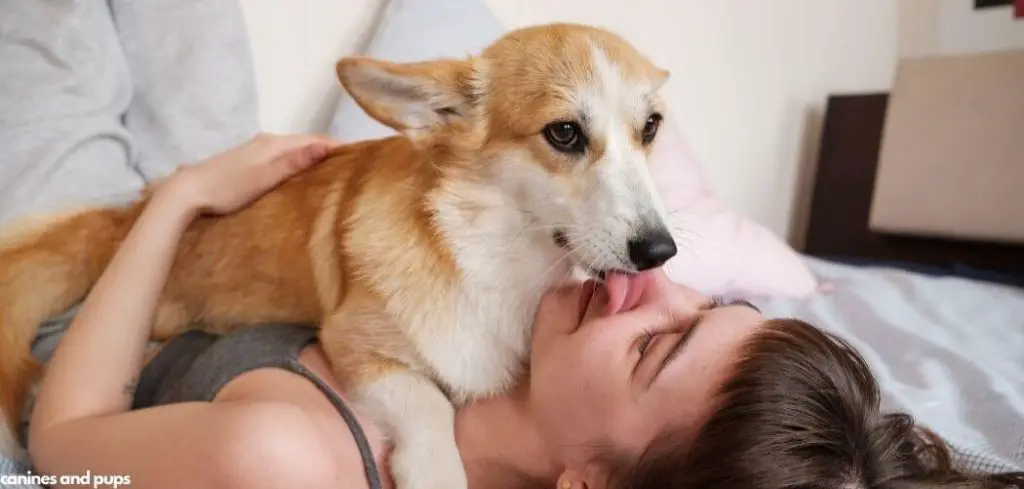
Dog Is Suddenly Clingy: Common Causes
Anxiety
Anxiety is one of the most common reasons a dog becomes suddenly clingy. Dogs experiencing anxiety may feel unsure or unsafe, so staying close to their owner provides comfort and a sense of protection.
This can develop after loud noises, unfamiliar people, routine disruption, recent travel, or a period of being left alone more than usual.
Clinginess driven by anxiety often appears alongside pacing, whining, trembling, or following their owner from room to room. If the stressor continues, the clinginess may escalate into separation anxiety, making early support important.
Fear Triggers
Dogs may become clingy after a fear-inducing experience. Fireworks, thunderstorms, household accidents, loud appliances, or sudden noises can cause an intense emotional reaction.
Afterward, a dog may refuse to leave your side, stay pressed against you, or insist on physical touch because they associate you with safety.
This type of sudden clinginess can appear even hours after the event if the dog remains on high alert or expects the fear trigger to return.
Related: Dog licking me excessively (Here’s why)
Illness
A dog that feels unwell may suddenly act clingy because they are looking for reassurance.
Pain, stomach upset, fatigue, fever, or internal discomfort can make a dog more dependent and emotionally needy. Some dogs hide when sick, but many seek comfort from their owner instead.
Clinginess caused by illness is often accompanied by subtle changes such as sleeping more, moving more slowly, losing interest in food, or seeming quieter than usual.
Major Life Changes or Environmental Shifts
Dogs thrive on consistency, so a sudden change in their environment or routine can make them feel insecure.
Clinginess commonly appears after moving homes, new family members arriving, children leaving for school, schedule shifts, or even rearranging furniture. These changes disrupt the dog’s sense of predictability, and they may cling until they feel stable again.
In these moments, your presence is the emotional “anchor” they rely on.
Age-Related Cognitive Decline
Senior dogs may become clingy due to cognitive dysfunction, which affects memory, awareness, and emotional regulation.
When older dogs feel confused or unsure of their surroundings, they may become extra attached to familiar people for reassurance. Owners may notice pacing at night, staring at walls, getting stuck behind furniture, or seeming lost in their own home.
Clinginess tied to aging often increases gradually but can also spike suddenly on days when cognitive symptoms worsen.
Hormonal Shifts
Pregnancy, heat cycles, thyroid changes, or adrenal imbalances can influence a dog’s emotional stability and confidence.
Hormonal fluctuations affect mood, energy, and sensitivity to stress, which may cause some dogs to become clingy without obvious external triggers.
Dogs experiencing hormonal changes may also show appetite changes, sleeping differences, or mild irritability alongside clinginess.
Related: Dog excessively licking my hand (Here’s why)
What to Do If Your Dog Is Suddenly Clingy
If your dog is suddenly clingy, start by creating an environment that encourages comfort and emotional safety. Offer calm reassurance without reinforcing anxious behaviors—gentle touch or relaxed company can help your dog settle without becoming more dependent.
Try to keep your routine as predictable as possible. Dogs thrive on consistency, and a stable routine can greatly reduce feelings of insecurity. Make sure meals, walks, playtime, and nighttime routines stay as normal as possible, even during stressful periods.
If your dog seems stressed, give them a quiet space where they can decompress. Soft bedding, a favorite toy, or calming music can help reduce tension. Avoid punishment or frustration; clinginess is your dog asking for help, not acting out.
Monitor your dog’s physical condition as well. If clinginess appears with changes in appetite, vomiting, lethargy, stiffness, or unusual quietness, your dog may be signaling illness rather than emotional distress.
In general, respond with patience, gentle structure, and reassurance. If the behavior persists or becomes excessive, your veterinarian or a certified trainer can help uncover underlying issues and develop a plan to support your dog’s emotional needs.
When to Call or Visit Your Vet
Seek veterinary attention if your dog’s sudden clinginess is accompanied by physical symptoms.
If your dog is clingy and also lethargic, refusing food, vomiting, shaking, or acting as though they are in pain, these signs suggest the clinginess may be medically driven rather than emotional.
If your dog has recently had a frightening event that resulted in prolonged anxiety, or if the clinginess escalates into panic when you leave the room, professional support can prevent the behavior from becoming more severe.
If your senior dog suddenly becomes clingy and also seems confused, disoriented, or restless, this may indicate early cognitive decline and should be evaluated.
Any sudden behavior change that does not improve within a few days—or worsens—deserves veterinary guidance to rule out medical or psychological causes.
Read more: Dog Suddenly Acting Scared (What’s going on?)
Key Takeaway
A dog becoming suddenly clingy is often a sign of emotional stress, fear, routine disruption, or underlying illness. Clinginess is your dog’s way of communicating that something feels off, whether physically or emotionally.
By providing comfort, monitoring for additional symptoms, and seeking veterinary help when necessary, you can support your dog through the change and help them regain their confidence.