
When a dog develops explosive watery diarrhea, the stool may come out suddenly with little warning, sometimes in large amounts or several times within a short period.
The dog may rush outside repeatedly, have accidents indoors, or struggle to control bowel movements. The diarrhea may be brown, yellow, mucus-filled, or occasionally bloody.
The urgency depends on a dog’s age, the amount of diarrhea, how long it has been happening, and whether vomiting, weakness, blood in the stool, or loss of appetite is also present.
Table of Contents
Dog Explosive Watery Diarrhea: Why It Happens
The sudden, forceful nature of the bowel movement reflects the urgency of the intestinal response, but it does not identify a specific disease.
Some cases are related to temporary digestive upset, while others involve serious infections, toxins, or other conditions.
Repeated large-volume diarrhea can cause dehydration and electrolyte imbalances, so the frequency and severity matter more than the appearance alone.
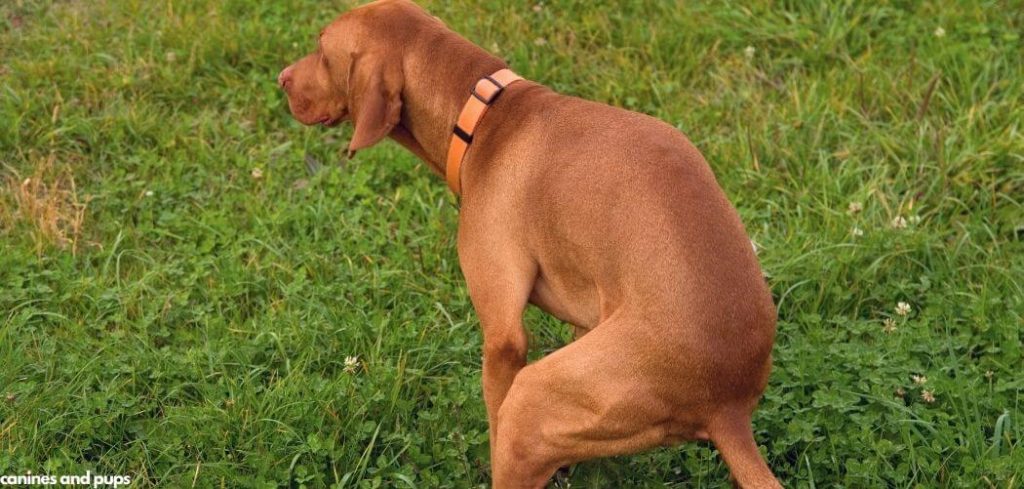
Dog Explosive Watery Diarrhea: Common Causes
Eating Something Unsuitable
Dogs sometimes develop sudden, explosive diarrhea after eating rubbish, spoiled food, fatty leftovers, or unfamiliar treats.
These substances can irritate the intestines and disrupt normal digestion, causing the bowel to expel liquid stool rapidly.
The symptoms may begin within hours of eating something unsuitable, although the timing varies.
If your dog also vomits, develops abdominal pain, or may have swallowed a foreign object or toxic substance, seek prompt veterinary care rather than assuming the problem is a simple dietary upset.
Related: Dog watery poop (Signs, causes and treatment)
Sudden Food Changes
Changing your dog’s food too quickly can upset the digestive system. A new diet may contain different ingredients, fat levels, or fiber content that affects digestion and stool consistency.
Some dogs develop loose stools after a food change, while others may experience more severe diarrhea.
If the symptoms started shortly after introducing a new food, tell your veterinarian, particularly if the diarrhea is profuse or keeps recurring.
Related: Dog watery poop and vomit (Causes and treatment)
Gastrointestinal Infections
Bacterial and viral infections can inflame the digestive tract or interfere with normal water absorption, resulting in sudden watery diarrhea. Some infections also cause vomiting, reduced appetite, fever, or lethargy.
Canine parvovirus is an especially important concern in puppies and dogs that are not fully vaccinated. It can cause severe gastrointestinal illness and rapid dehydration.
If a puppy develops explosive diarrhea, contact a veterinarian urgently and keep the puppy away from other dogs until an infectious cause has been assessed.
Intestinal Parasites
Parasites such as Giardia, hookworms, whipworms, and coccidia can interfere with intestinal function and cause diarrhea.
Depending on the parasite, the stool may be watery, mucus-covered, unusually foul-smelling, or occasionally bloody.
Some dogs remain active despite having parasites, while others develop weight loss, poor appetite, or vomiting.
Veterinary stool testing may be needed to identify the cause and guide treatment, especially if diarrhea persists or repeatedly returns.
Stress and Anxiety
Changes in routine, travel, boarding, unfamiliar surroundings, or other stressful events can affect a dog’s digestive system.
Some dogs develop sudden diarrhea around these events, even without other obvious symptoms.
Stress may be a contributing factor, but it should not automatically be blamed for severe or explosive diarrhea.
If the episodes are frequent, large in volume, or accompanied by vomiting, blood, or weakness, arrange veterinary assessment.
Acute Hemorrhagic Diarrhea Syndrome (AHDS)
Acute hemorrhagic diarrhea syndrome is a potentially serious condition that causes sudden, profuse diarrhea containing blood.
Vomiting may occur, and fluid loss can become severe very quickly.
Dogs may initially appear relatively healthy before becoming weak or seriously unwell. If explosive watery diarrhea becomes heavily blood-stained, seek emergency veterinary care.
AHDS cannot be diagnosed from stool appearance alone, and other serious conditions may cause similar symptoms.
Related: Dog watery poop with blood (Causes and treatment)
Pancreatitis and Other Digestive Disorders
Pancreatitis, inflammatory bowel conditions, and other digestive disorders can cause diarrhea by interfering with normal digestion or irritating the intestinal lining.
Some dogs also develop vomiting, abdominal pain, reduced appetite, or recurring digestive problems.
Explosive diarrhea alone does not establish that a dog has pancreatitis or another chronic condition.
However, persistent episodes, unexplained weight loss, abdominal discomfort, or repeated vomiting warrant veterinary assessment.
Toxins and Foreign Objects
Some toxins can irritate or damage the digestive tract, while swallowed objects may cause intestinal injury or obstruction. Diarrhea can occur in either situation, although symptoms vary depending on the substance or object involved.
If your dog may have swallowed a harmful substance or foreign object, contact a veterinarian immediately.
Do not induce vomiting or give medication unless specifically instructed by a veterinary professional.
Dog Explosive Watery Diarrhea but Acting Normal
A dog that develops explosive watery diarrhea but remains playful and alert may have a temporary digestive upset. However, normal behavior does not rule out an early infection, parasites, or another problem that may worsen.
If the diarrhea happens repeatedly or produces large amounts of liquid, contact your veterinarian immediately.
Keep fresh water available and monitor your dog’s appetite, energy, and subsequent bowel movements. Seek urgent care if vomiting, blood, abdominal pain, or weakness develops.
Read more: Dog watery poop but acting normal (Here’s why)
Dog Explosive Watery Diarrhea and Vomiting
A dog with explosive watery diarrhea and vomiting may have severe gastrointestinal irritation caused by spoiled food, a sudden diet change, parasites, infections, pancreatitis, or ingestion of a toxin or foreign object.
When both symptoms occur together, the dog can lose fluids and electrolytes rapidly, increasing the risk of dehydration.
Repeated episodes, blood in the vomit or stool, abdominal pain, or unusual weakness may indicate a serious condition.
Seek urgent veterinary care, especially if the vomiting and diarrhea are repeated or severe.
Go to an emergency veterinarian if the dog is weak, has pale gums, shows signs of abdominal pain, cannot keep water down, or has bloody or black, tarry stool.
Do not give human anti-diarrhea medicines or force food or water. If the dog can drink without vomiting, offer small amounts of water while arranging veterinary assessment.
Puppy With Explosive Watery Diarrhea
A puppy with explosive watery diarrhea may have intestinal parasites, a sudden food change, dietary intolerance, or an infectious illness.
Parvovirus is an important concern, particularly in puppies that are not fully vaccinated, because it can cause severe diarrhea, vomiting, loss of appetite, and rapid dehydration.
Even if the diarrhea is not bloody and the puppy initially seems active, its condition can deteriorate quickly.
Contact a veterinarian immediately for advice and assessment rather than waiting for the diarrhea to resolve on its own. Seek emergency care if the puppy is vomiting, weak, refusing food, passing blood, or unable to keep water down.
Offer access to fresh water if the puppy can drink safely, avoid human medications, and keep the puppy separated from other dogs until an infectious cause has been ruled out.
What to Do If Your Dog Has Explosive Watery Diarrhea
If your dog has explosive watery diarrhea, focus on preventing further fluid loss and determining whether urgent veterinary treatment is needed.
Repeated, high-volume diarrhea should not be managed at home without veterinary advice.
Keep fresh water available and allow your dog to drink if they can do so comfortably. If your dog is repeatedly vomiting or cannot keep water down, seek urgent veterinary care rather than forcing fluids.
Avoid giving human anti-diarrhea medicines, leftover antibiotics, or other medication unless your veterinarian specifically recommends it.
Do not impose prolonged fasting, particularly on puppies, small dogs, senior dogs, or dogs with existing medical conditions.
Avoid rich treats, table scraps, and unfamiliar foods while arranging veterinary advice.
If your dog is otherwise well and not vomiting, ask your veterinarian whether a temporary bland diet or a veterinary gastrointestinal diet is appropriate.
Note when the diarrhea began, how often it occurs, and whether the stool contains blood or mucus.
Take a photograph if possible, and tell your veterinarian about recent food changes, medications, and any possible exposure to rubbish, toxins, or foreign objects.
If the diarrhea is profuse, continues repeatedly, or is accompanied by other symptoms, do not delay veterinary care to try home remedies.
When to Call or Visit the Vet
Contact your veterinarian immediately if your dog has repeated explosive watery diarrhea, particularly if the episodes are large in volume.
Seek advice sooner if your dog is a puppy, senior, or has an existing medical condition.
Seek urgent veterinary care if you notice any of the following:
Frequent, profuse, or rapidly worsening watery diarrhea.
Blood in the stool or black, tar-like poop.
Repeated vomiting or an inability to keep water down.
Weakness, marked lethargy, or collapse.
Pale or white gums, or other signs of dehydration.
Abdominal pain, a swollen abdomen, or pronounced discomfort.
Refusal to eat alongside ongoing diarrhea.
Suspected poisoning or ingestion of a foreign object.
Do not wait for all these signs to appear. Large fluid losses can cause serious dehydration and electrolyte imbalances, and some dogs deteriorate quickly.
Dog Explosive Watery Diarrhea: Treatment
Treatment depends on the underlying cause and the severity of the diarrhea. The veterinarian may recommend stool testing, blood tests, or abdominal imaging when appropriate.
Treatment may include fluid and electrolyte replacement, dietary management, parasite medication, or medication to control vomiting.
Infections and other underlying illnesses require condition-specific treatment, while an intestinal obstruction may require surgery.
Dogs with severe dehydration or acute hemorrhagic diarrhea syndrome may need hospitalization and intravenous fluids.
Antibiotics are not necessary for every case and should only be used when indicated by the veterinarian.
Key Takeaway
Dog explosive watery diarrhea can result from dietary indiscretion, sudden food changes, parasites, infections, stress, or more serious digestive conditions.
The sudden and forceful nature of the diarrhea does not identify the cause, but repeated large-volume episodes can lead to dangerous fluid loss.
Pay attention to how often your dog passes liquid stool and whether vomiting, blood, reduced appetite, or weakness develops.
Keep fresh water available and avoid unapproved medications or home remedies.
If your dog has repeated or profuse explosive watery diarrhea, contact a veterinarian immediately.
Seek emergency care if your dog is weak, vomiting repeatedly, passing blood, or unable to keep water down. Early assessment can help identify the cause and reduce the risk of serious complications.


