
Sniffing is a natural part of being a dog, but when your pup seems to be excessively sniffing everything in sight, it can leave owners wondering if something is wrong.
Sometimes it’s harmless curiosity, but in other cases, it could point to behavioral issues, stress, or even medical conditions.
We outline the common reasons for excessive sniffing in dogs, what you can do at home, and when to seek veterinary care.
Table of Contents
Dog Excessively Sniffing: Why It Happens
Excessive sniffing in dogs is usually linked to their powerful sense of smell, curiosity, or changes in their environment. It may also be caused by stress, anxiety, obsessive behaviors, or even nasal health problems.
Dogs use sniffing as a way to gather information, but when it becomes constant, it can be a sign that something else is going on.
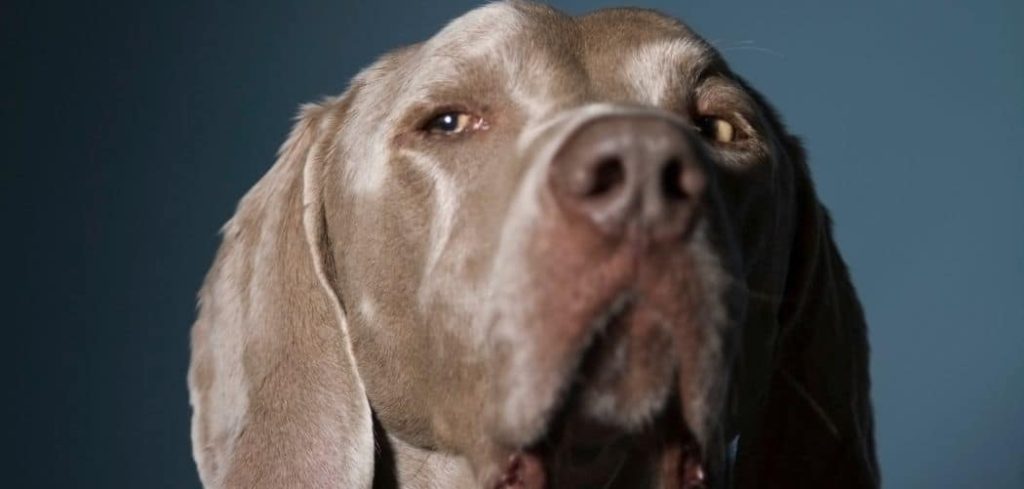
Why Is My Dog Sniffing Like He Has A Cold?
A dog sniffing heavily as if it has a cold may actually be dealing with nasal irritation, mild respiratory infection, allergies, or environmental irritants like dust or smoke.
Unlike humans, dogs don’t “get colds” in the same way, but they can develop upper respiratory infections that cause congestion-like behavior.
If the sniffing is frequent and accompanied by reverse sneezing, nasal discharge, or sneezing, it may indicate inflammation in the nasal passages.
Persistent symptoms should be checked by a veterinarian to rule out infection or chronic nasal issues.
Dog Keeps Sniffing and Sneezing
When a dog is both sniffing and sneezing frequently, it often points to nasal irritation, allergies, foreign material in the nose, or an upper respiratory infection.
A dog may be trying to clear irritants from the nasal passages while reacting to inflammation at the same time.
If sneezing is occasional, it may not be serious, but persistent sneezing with discharge, nose rubbing, or breathing changes should be evaluated. Infections, allergies, or nasal obstructions can worsen if not treated early.
Dog Excessively Sniffing: Common Causes
Natural Curiosity and Scent Tracking
Dogs experience the world through their noses, and sniffing is their way of learning about people, animals, and surroundings.
When a dog seems to sniff excessively outdoors, it may simply be enjoying the smells left behind by other pets or wildlife. This is especially true for breeds with strong scent instincts, like Beagles and Bloodhounds.
While natural, excessive sniffing can sometimes look unusual to owners who aren’t used to this behavior.
Read more: Dog’s Nose Excessively Wet (What it could mean)
Stress and Anxiety
Stressful environments or situations can trigger repetitive sniffing in dogs. Some dogs sniff obsessively when they feel nervous, similar to how humans may fidget under stress.
Loud noises, unfamiliar places, or separation anxiety can cause a dog to sniff floors, walls, or even the air excessively.
This behavior can be a coping mechanism but may become compulsive if left unaddressed.
Boredom or Lack of Enrichment
Dogs that don’t get enough physical or mental stimulation may resort to constant sniffing as a way to entertain themselves.
This is common in high-energy breeds that need more exercise and play. Without outlets like walks, puzzle feeders, or playtime, sniffing becomes a repetitive behavior to fill the gap.
Over time, this can turn into a habit that’s difficult to break without added enrichment.
Nasal or Respiratory Issues
Excessive sniffing may also point to a medical problem in the nasal passages. Conditions like rhinitis, nasal infections, or even foreign objects in the nose can cause a dog to sniff repeatedly.
You may notice sneezing, nasal discharge, or pawing at the face alongside the sniffing. These signs suggest it’s not just behavioral but a health issue needing veterinary attention.
Obsessive-Compulsive Behavior
In some cases, excessive sniffing can develop into an obsessive-compulsive behavior. Dogs that feel anxious or lack stimulation may fixate on sniffing specific spots repeatedly, even when nothing is there.
This is more serious than curiosity sniffing and may require intervention through training, behavior modification, or veterinary support.
Scent Changes in the Environment
Dogs are highly sensitive to new smells. Changes in the home, like new cleaning products, furniture, or even another pet, can spark excessive sniffing.
Outdoors, seasonal changes bring new scents from plants, animals, and weather shifts.
What feels like excessive sniffing to humans may simply be your dog adjusting to a world filled with new and interesting odors.
Dog Excessively Sniffing Everything
A dog that is constantly sniffing everything is usually relying heavily on its strongest sense to explore the environment.
Sniffing is normal canine behavior, but when it becomes excessive, it can be linked to heightened curiosity, anxiety, boredom, or overstimulation.
Dogs also sniff more when they are trying to gather information about new surroundings, people, or scents.
In some cases, excessive sniffing can also be a response to stress or changes in the environment. If the behavior is sudden or obsessive, it may be worth observing for other signs like restlessness or pacing.
Dog Sniffing Floor Like Crazy
A dog that suddenly sniffs the floor intensely is usually reacting to a strong scent trail, food particles, or something new in the environment.
Sniffing is a normal investigative behavior, but when it becomes “crazy” or obsessive, it can also reflect increased anxiety, overstimulation, or boredom. Dogs may repeatedly track scents even when nothing obvious is visible to humans.
If the behavior is sudden or repetitive in one area, it can also be worth checking for spilled food, insects, or other animals.
In rare cases, compulsive sniffing may develop when a dog is stressed or not getting enough mental stimulation.
Dog Excessive Sniffing On Walks
During walks, excessive sniffing is very common because dogs are exposed to a wide range of new smells and information.
Sniffing is a natural way of mentally engaging with the environment. However, some dogs may become overly fixated, slowing walks significantly or ignoring commands.
While this is usually normal behavior, excessive sniffing on walks can also reflect anxiety or a lack of stimulation.
Structured walks with a balance of sniffing time and movement can help manage the behavior while still allowing natural enrichment.
Dog Excessively Sniffing Me
A dog that excessively sniffs a person is gathering information through scent.
Dogs can detect changes in body chemistry, emotions, food scents, or other environmental odors on clothing and skin. This behavior is usually a form of social bonding and curiosity.
However, sudden intense sniffing of one person may also reflect changes in scent due to health conditions, medication, or emotional stress. It is generally harmless unless accompanied by obsessive or anxious behavior.
Dog Sniffing and Licking Excessively
When a dog is both sniffing and licking excessively, it may be trying to investigate or respond to something it finds interesting, irritating, or comforting.
Licking can be a sign of curiosity, but it can also indicate nausea, anxiety, skin irritation, or compulsive behavior.
If the behavior becomes repetitive or difficult to interrupt, it may suggest underlying stress or a medical issue such as allergies or gastrointestinal discomfort.
Monitoring for additional symptoms helps determine whether the behavior is normal or needs veterinary attention.
Dog Excessively Sniffing at Night
Excessive sniffing at night can happen because the environment is quieter, allowing dogs to detect subtle smells more easily.
Some dogs also become more alert at night due to anxiety, restlessness, or changes in routine.
Older dogs may sniff more due to cognitive changes or confusion in low-light conditions.
If nighttime sniffing is paired with pacing, whining, or inability to settle, it may suggest anxiety or discomfort.
Monitoring sleep patterns helps determine whether the behavior is normal curiosity or a sign of underlying restlessness.
Old Dog Excessively Sniffing
An older dog that sniffs excessively may be compensating for reduced vision or hearing by relying more on smell.
Senior dogs may also develop cognitive changes that lead to repetitive or unusually focused behaviors, including constant sniffing of objects or people.
If the behavior appears new or compulsive, it could also be linked to anxiety or neurological changes.
Monitoring for confusion, restlessness, or other behavioral shifts is important, and veterinary evaluation may help rule out cognitive dysfunction or underlying medical issues.
What to Do If Your Dog Is Excessively Sniffing
If your dog’s sniffing is related to curiosity, provide structured opportunities for scent exploration, such as longer walks or “sniffari” outings where they’re encouraged to explore with their nose.
For dogs that sniff from boredom, adding enrichment toys, puzzle feeders, or more playtime can help reduce the habit.
If stress or anxiety is the trigger, creating a calm environment and offering comfort can make a difference. Music therapy, calming pheromone diffusers, or interactive toys can redirect attention away from constant sniffing.
For cases that seem obsessive or medical, avoid scolding your dog. Instead, document when and where the sniffing occurs and discuss it with your veterinarian. This ensures you’ll know whether the cause is behavioral, environmental, or health-related.
When to Call or Visit Your Vet
If excessive sniffing comes with sneezing, nasal discharge, nosebleeds, or difficulty breathing, a veterinary exam is essential. These symptoms may point to infections, allergies, or something lodged in the nasal passages.
You should also call your vet if sniffing turns into a compulsive pattern, where your dog can’t be redirected and seems distressed.
Compulsive sniffing often requires professional guidance to prevent it from escalating into more serious behaviors.
In general, if your dog’s sniffing is new, sudden, or paired with other unusual symptoms, it’s best to seek professional advice.
Read more: Dog Excessively Swallowing (When to worry)
Key Takeaway
Excessive sniffing in dogs can be completely normal or a sign of something deeper. From natural curiosity to anxiety, boredom, or medical problems, the reasons vary widely.
As an owner, offering enrichment, reducing stress, and knowing when to consult a vet will help keep your dog happy and healthy.
Trust your instincts—if your dog’s sniffing feels unusual or concerning, it’s always worth checking with your veterinarian.


