
A dog excessively pooping can be stressful for both the pet and the owner. While it’s normal for dogs to have regular bowel movements, frequent or abnormal stools often signal an underlying issue that should not be ignored.
Changes in diet, infections, intestinal parasites, and medical conditions may all play a role in disrupting your dog’s digestion and leading to increased pooping.
We outline the common causes of excessive pooping in dogs, what you can do and when to seek veterinary care.
Table of Contents
Dog Excessively Pooping: Why It Happens
Excessive pooping in dogs usually stems from diet changes, food intolerances, stress, parasites, or underlying health problems. Sometimes the issue is as simple as a dog eating too much fiber or human food scraps, while in other cases, it may be a sign of intestinal inflammation or infection.
A dog that poops far more than normal may also struggle with nutrient absorption, meaning food passes too quickly through the system.
While an occasional loose stool is common, persistent frequent pooping deserves closer attention to rule out health problems.
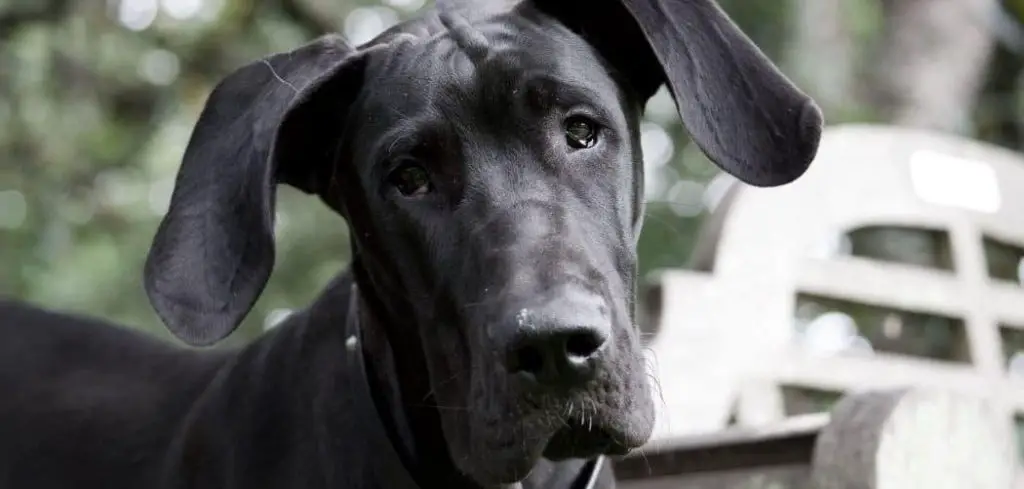
Why Is My Dog Suddenly Pooping More Than Usual?
A dog that suddenly starts pooping more than usual may be experiencing changes in diet, routine, stress levels, or an underlying health issue.
Common causes include eating more food than normal, switching diets, consuming table scraps, increased fiber intake, intestinal parasites, food intolerance, or mild digestive irritation.
Some medical conditions, such as inflammatory bowel disease, diabetes, hormonal disorders, or digestive problems, can also increase bowel movements.
If your dog’s increased pooping continues, is accompanied by weight loss, vomiting, blood in the stool, changes in appetite, or changes in stool consistency, a veterinary checkup is necessary.
Dog Excessively Pooping but Acting Normal
A dog that is pooping excessively but acting normal may have a mild digestive issue rather than a serious illness.
If your dog is energetic, eating normally, drinking normally, and producing normal-looking stool, the increase may be related to a larger meal, dietary change, treats, or increased activity.
However, dogs can sometimes appear healthy while an underlying problem is developing. Monitor how often your dog poops, the stool appearance, and any other changes.
If the behavior persists for more than a few days or becomes more frequent, consult a veterinarian to rule out parasites, food sensitivities, or other health concerns.
Dog Excessively Pooping: Common Causes
Dietary Changes
Switching your dog’s food suddenly is one of the most common reasons for excessive pooping.
A dog’s digestive system adjusts slowly to new proteins, fiber levels, and ingredients. If the transition isn’t gradual, it can result in frequent bowel movements, sometimes soft or runny.
High-fiber foods can also speed up digestion, causing your dog to poop more than usual.
Dog owners often notice this when they switch to grain-heavy foods or foods with fillers that pass quickly through the intestines. Monitoring stool consistency during diet transitions is important to ensure your dog’s system adapts well.
Read more: Dog Excessively Digging (When to worry)
Food Intolerances or Allergies
Some dogs are sensitive to specific proteins like chicken, beef, or grains. When these foods are eaten, the digestive system reacts with irritation, resulting in more frequent stools.
Alongside excessive pooping, you may notice gas, bloating, itching, or chronic ear infections in dogs with food allergies.
The constant irritation in the gut makes it harder for nutrients to be absorbed, leading to more waste being produced.
Identifying and eliminating trigger ingredients with the help of a vet or elimination diet can reduce these issues.
Overeating or Treat Overload
Dogs that consume more food than their bodies need will naturally produce more waste.
Free-feeding or excessive treats throughout the day can overwhelm your dog’s digestive capacity.
Dog owners sometimes mistake constant begging as hunger when it’s actually habit or boredom. Overfeeding not only causes excessive pooping but may also lead to obesity and long-term health issues.
Monitoring portion sizes and ensuring treats make up no more than 10% of your dog’s daily intake is crucial to avoid digestive upset.
Intestinal Parasites
Parasites such as roundworms, hookworms, and giardia are notorious for disrupting digestion.
They irritate the intestinal lining, causing food to move quickly through the system. Dogs with parasites often poop more frequently, and their stools may appear loose, slimy, or contain mucus.
Puppies are especially vulnerable because their immune systems are still developing.
Other symptoms may include weight loss, poor coat condition, and occasional vomiting. Routine deworming and fecal exams help catch infestations early.
Bacterial or Viral Infections
Infections such as parvovirus, salmonella, or bacterial overgrowth in the intestines can lead to frequent pooping.
These conditions often cause diarrhea alongside lethargy, fever, and dehydration. In severe cases, the stools may contain blood or have a foul odor.
Infections are usually contracted through contaminated food, water, or environments where dogs are exposed to other sick animals.
Immediate veterinary care is essential, as these infections can become life-threatening if untreated.
Stress or Anxiety
Emotional stress has a strong impact on a dog’s digestive health. A new home, loud noises, separation from owners, or the addition of a new pet can all cause stress-induced bowel changes.
Stress speeds up intestinal contractions, which reduces nutrient absorption and increases pooping frequency.
Dogs that are anxious may also experience accidents indoors, even if normally house-trained. Helping your dog feel secure, providing a predictable routine, and using calming techniques can help regulate digestion.
Inflammatory Bowel Disease (IBD)
Dogs with inflammatory bowel disease often experience chronic excessive pooping. IBD occurs when the immune system overreacts to food or bacteria in the gut, leading to inflammation of the intestinal lining.
This condition prevents proper nutrient absorption, resulting in frequent, often loose stools.
Other signs include vomiting, weight loss, and reduced appetite. Since IBD can be long-term, it requires veterinary diagnosis and management, often with prescription diets and medication.
Malabsorption Disorders
Conditions such as exocrine pancreatic insufficiency (EPI) or intestinal damage prevent dogs from digesting and absorbing nutrients properly.
When this happens, food passes through the digestive tract largely undigested, leading to frequent, bulky stools that may appear pale or greasy.
Dogs with malabsorption often lose weight despite having a healthy appetite. Because untreated malabsorption can lead to malnutrition, veterinary care is necessary for diagnosis and treatment.
Dog Pooping a Lot Not Diarrhea
A dog pooping a lot without diarrhea may be producing more stool due to increased food intake, poor-quality food, high-fiber diets, or difficulty digesting certain ingredients.
Some dogs poop more frequently when their diet contains fillers or when they are eating more calories than their body needs.
Increased bowel movements can also occur with parasites, malabsorption problems, or gastrointestinal conditions.
If the stool remains firm but your dog is suddenly pooping much more often, reviewing their diet and discussing the change with a veterinarian can help identify the cause.
Dog Excessive Pooping and Peeing
A dog that is both pooping and peeing excessively may have a medical condition affecting digestion, metabolism, or hormone regulation.
Increased urination and bowel movements can occur with conditions such as diabetes, kidney disease, hormonal disorders, infections, or medication side effects.
Increased thirst often accompanies excessive urination and may provide an important clue.
While diet and increased water intake can sometimes explain these changes, a sudden increase in both bathroom habits should be evaluated by a veterinarian, especially if your dog is losing weight, acting tired, or eating more or less than usual.
Old Dog Excessively Pooping
An old dog that is suddenly pooping excessively may be experiencing age-related changes or an underlying medical condition.
Senior dogs may develop digestive disorders, reduced ability to absorb nutrients, intestinal inflammation, cognitive changes, or diseases affecting the organs that can alter bowel habits.
Older dogs may also have difficulty controlling their bowel movements due to weakened muscles or nerve changes.
A sudden increase in pooping in a senior dog should not automatically be considered normal aging, especially if accompanied by weight loss, weakness, appetite changes, vomiting, or changes in behavior.
Senior Dog Pooping a Lot Not Diarrhea
A senior dog pooping frequently without diarrhea may have a dietary issue, increased appetite, reduced digestion efficiency, or an underlying health condition.
Older dogs may produce more stool if they are eating a high-fiber diet, have difficulty absorbing nutrients, or are experiencing gastrointestinal changes.
Conditions such as intestinal disease, parasites, pancreatic problems, or certain medications can also affect stool frequency.
If your senior dog’s stool looks normal but the increase in bowel movements is new or persistent, a veterinarian can help determine whether it is a harmless change or a sign of a health problem.
What to Do If Your Dog Is Excessively Pooping
If your dog is excessively pooping but otherwise acting normal, you can start by evaluating their diet. Gradually transition to a high-quality, digestible food and avoid sudden changes.
Monitor treat intake and ensure your dog is not sneaking scraps from the table or trash. Providing smaller, measured meals rather than free-feeding can help regulate digestion.
Hydration is also essential, especially if stools are loose. Make sure fresh water is always available and encourage your dog to drink.
Stress reduction can also play a major role. Keeping a calm environment, sticking to predictable routines, and giving your dog plenty of exercise can minimize stress-related digestive issues. Probiotics may also help restore healthy gut bacteria after disruptions.
If you suspect food allergies, work with your vet to try an elimination diet. This process involves feeding a limited-ingredient or hydrolyzed protein diet to identify triggers.
Deworming and regular vet check-ups are also important preventive measures to ensure parasites and infections don’t contribute to excessive pooping.
When to Call or Visit Your Vet
Frequent pooping can sometimes be managed at home, but there are warning signs that require veterinary care.
If your dog’s stools contain blood, mucus, or are consistently watery, it may point to infection or inflammation.
A sudden increase in pooping combined with vomiting, weight loss, or refusal to eat also signals a more serious condition.
Puppies, senior dogs, and dogs with pre-existing health conditions are at higher risk of complications from excessive pooping.
Because dehydration can develop quickly, it’s best to err on the side of caution and seek veterinary advice if symptoms persist for more than a couple of days.
Diagnostic tests such as fecal exams, bloodwork, and imaging may be necessary to identify the root cause.
Read more: Dog Bleeding Excessively During Heat (What it could mean)
Key Takeaway
A dog excessively pooping can be caused by something as simple as overeating or as serious as intestinal disease.
While occasional changes in stool are common, persistent issues should never be ignored.
By monitoring diet, stress levels, and overall behavior, you can help identify whether the problem is minor or requires veterinary attention.
Trust your instincts as a dog owner—if your dog’s bathroom habits change suddenly or dramatically, reaching out to your vet is the best way to ensure their health and comfort.


