
It can be worrying to see your dog constantly licking their front legs, especially when the behavior becomes obsessive or you start noticing saliva-stained fur or thinning hair.
An occasional lick now and then may be normal grooming, but repeated front leg licking usually means your dog is uncomfortable, itchy, anxious, or in pain.
In this guide we explain the most common reasons a dog may excessively lick their front legs, what you can do at home, and when it’s best to involve your veterinarian.
Dog Excessively Licking Their Front Legs: Why It Happens
A dog excessively licking their front legs is usually responding to itchiness, allergies, infection, pain, anxiety, or skin irritation that makes the area uncomfortable.
Dogs tend to focus on their front legs because they are easy to reach, meaning any itch or irritation there is quickly turned into a licking habit.
While some causes are mild, ongoing licking can damage the skin and create painful sores — so it’s important to understand why it happens and what to do next.
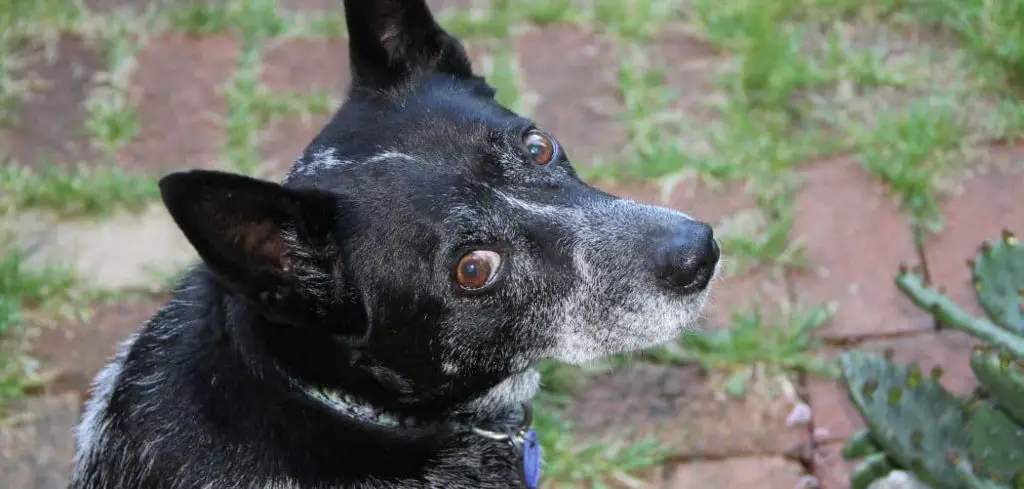
Dog Excessively Licking Their Front Legs: Common Causes
Allergies
Allergies are one of the most frequent reasons dogs lick their front legs. Environmental allergies such as pollen, dust mites, mold, or grasses can make the skin inflamed and itchy, leading dogs to lick for relief.
Because the front legs are constantly exposed to the environment and contact with the ground, they are often one of the first places irritation appears.
Dogs with food allergies may also develop skin inflammation that causes persistent licking at the legs, paws, belly, or ears.
As dogs keep licking, the skin becomes damp and irritated, which worsens the itch. Over time the fur may thin or stain brown from saliva, and the skin may become red, scaly, or thickened.
Many allergic dogs also chew their paws, rub their faces, or scratch their ears. Allergies usually don’t resolve on their own and tend to flare up repeatedly, so veterinary guidance is often needed for long-term relief.
Related: Dog Excessively Licking Back Leg (Why it happens)
Fleas and Other External Parasites
Even if you don’t see fleas, one bite can cause significant itching — especially in dogs allergic to flea saliva.
This condition is called flea allergy dermatitis, and it often leads to licking around the front legs, tail base, and belly. Some dogs barely react, while others become intensely itchy and cannot ignore the irritation.
Mites, such as those causing mange, may also lead to obsessive licking, scratching, and chewing at the front legs.
These parasites can cause hair loss, crusting, redness, and general discomfort that escalates quickly if untreated.
Because parasites often go unseen to the naked eye, the absence of visible bugs doesn’t rule them out. Dogs with flea or mite irritation may continue licking until the skin breaks open, increasing the risk of infection.
Skin Infections
Once a dog starts licking their front legs, moisture builds up on the skin. This creates the perfect environment for yeast and bacteria to multiply.
These infections are not only itchy — they can be quite painful. Dog owners often notice redness, odor, greasy or flaky skin, swelling, or small bumps along the legs.
As the infection worsens, the dog licks more intensely in an attempt to soothe the irritation. Unfortunately, the more they lick, the more damaged the skin becomes, continuing the cycle.
Chronic licking can eventually develop into a condition called a lick granuloma — a thickened, raised, often hairless patch of skin caused by repeated trauma.
These granulomas can become very stubborn and difficult to treat if not addressed early.
Anxiety or Boredom
Front-leg licking is sometimes less about itchiness and more about emotional coping. Dogs may lick as a repetitive, self-soothing behavior when they feel anxious, under-stimulated, or stressed.
This can happen in dogs that spend long periods alone, lack mental enrichment, or experience changes in routine or environment.
Licking releases endorphins that help dogs feel calmer temporarily, which reinforces the behavior and may turn it into a habit.
Over time, even after the original trigger has passed, the dog may continue licking out of routine. Breeds prone to anxiety — or those naturally sensitive or energetic — may be at higher risk.
While this cause may sound “behavioral,” it is still a medical concern because constant licking damages the skin and indicates the dog is not fully comfortable.
Pain or Joint Problems in the Legs
Sometimes a dog excessively licking front legs does so because of pain rather than itchiness. Conditions such as arthritis, ligament strain, muscle injury, or trauma to the leg can make the area tender or sore.
Because dogs cannot massage or rub the painful spot like humans might, they instinctively lick instead.
You might also notice stiffness when getting up, reluctance to jump, limping, or sensitivity when the leg is touched.
Even younger dogs can experience joint pain from over-exercise, early arthritis, or injury.
Pain-related licking is especially important to address, because untreated discomfort can significantly reduce quality of life.
Foreign Bodies or Skin Irritation
Grass seeds, burrs, tiny cuts, insect stings, and even chemical irritants from carpets or cleaning products can all trigger localized skin discomfort.
Because the front legs constantly brush against the environment, they are highly exposed to irritation. A dog may begin licking the site instinctively, either to clean it or relieve the sensation.
Sometimes the irritation is very small and difficult for owners to see. A tiny thorn, for example, may be hidden under fur and only discovered during a veterinary exam.
Even when the original irritant falls away, the skin may remain sore — causing the licking to continue.
Related: Dog Excessive Licking Base of Tail (Here’s why)
Dog Keeps Licking Leg But Nothing There
If a dog keeps licking a leg even though nothing visible appears to be there, the cause may still be internal or microscopic. Skin allergies, mild infections, insect bites, or early inflammation can cause itching that is not immediately obvious.
Dogs may also lick due to joint pain, nerve discomfort, or muscle soreness, which may not produce visible swelling. In some cases, dogs develop compulsive licking behavior, where the habit continues even after the original irritation has resolved.
Old Dog Keeps Licking Front Legs
When an old dog repeatedly licks its front legs, it is usually a sign of irritation, discomfort, or an underlying health issue. Common causes include allergies, dry or itchy skin, arthritis in the joints, infections, or nerve irritation.
Senior dogs may lick the front legs as a way to soothe pain or inflammation around the wrists, elbows, or paws.
In some cases, frequent licking can also be linked to anxiety or boredom, especially if the dog spends long periods resting. Over time, constant licking can cause hair loss, redness, or thickened skin on the affected area.
Dog Licking Legs and Cancer
Although it is less common, persistent licking of a specific leg can sometimes be associated with underlying tumors or cancer affecting the skin, bone, or surrounding tissues.
Dogs may instinctively lick areas that feel painful or abnormal. Bone cancers, soft tissue tumors, or skin masses can create discomfort that leads to repeated licking of the same location. However, most cases of leg licking are caused by allergies, infections, or joint pain rather than cancer.
If licking is persistent, accompanied by swelling, limping, or a lump, a veterinary examination is important.
What to Do If Your Dog Is Excessively Licking Their Front Legs
If your dog is excessively licking their front legs, start by calmly observing the behavior. Try to notice when it happens most — for example, after walks, when resting, or during times of stress.
Then gently examine the area under good lighting. Look for redness, flaky skin, wounds, sores, swelling, hot spots, or brown staining from saliva.
If your dog appears painful, reacts strongly when touched, or has an open sore, avoid further handling and seek veterinary care.
Keeping the area clean and dry can help reduce irritation, but human creams, ointments, and essential oils should not be applied unless prescribed — many are harmful when licked.
Good flea prevention is essential, even if you never see fleas. Your veterinarian can recommend safe and reliable products to protect against ongoing irritation.
If anxiety may be part of the problem, supporting your dog with enrichment, exercise, comforting routines, and stress-reduction strategies can be helpful — though medical causes should always be ruled out first.
Try to discourage licking where possible, but remember that the behavior itself is a symptom. Using a cone or protective sleeve may prevent further damage, but it will not resolve the underlying issue — so veterinary assessment remains important if the licking continues.
When to Call or Visit Your Vet
You should contact your veterinarian if:
- Your dog licks the front legs constantly or obsessively.
- You notice redness, swelling, sores, or bleeding.
- There is a foul odor, discharge, or thickened skin.
- Your dog is limping or showing signs of pain.
- The licking continues for more than 2–3 days.
- Your dog seems anxious, restless, lethargic, or unwell.
- There is hair loss, hot spots, or scabbing.
Your vet may perform a physical exam, skin tests, allergy screening, joint evaluation, or infection checks.
Treatment depends on the cause and may include anti-itch medication, antibiotics, antifungals, parasite control, pain relief, allergy management, or behavior support.
Early treatment helps prevent chronic skin damage and stops the behavior from becoming a persistent habit.
Related: Dog excessively licking privates (Here’s why)
Dog Excessively Licking Front Legs: Treatment
Treatment depends on the underlying cause identified during a veterinary exam. If allergies are responsible, veterinarians may recommend antihistamines, medicated shampoos, or allergy management plans.
Skin infections may require antibiotics or antifungal medications, while arthritis-related licking may be managed with pain relief medications and joint supplements.
For dogs that develop irritated skin from constant licking, protective measures such as Elizabethan collars, bandaging, or topical treatments may be used while the skin heals.
In cases where anxiety or compulsive behavior contributes to the licking, environmental enrichment, behavior modification, or calming therapies may help reduce the habit. Proper diagnosis is essential to ensure the correct treatment approach.
Key Takeaway
A dog excessively licking the front legs is almost always reacting to discomfort, itchiness, anxiety, or pain. While it may seem harmless at first, repeated licking can quickly damage the skin and develop into stubborn sores — so it’s important not to ignore it.
By gently checking the area, keeping the skin clean, maintaining parasite prevention, and seeking veterinary guidance when needed, you can help your dog feel more comfortable and prevent long-term skin problems.
And above all, trust your instincts — you know your dog best, and if something doesn’t seem right, getting advice early is always the safest approach.