
If your dog is excessively licking the back leg — whether it’s one specific spot or the whole leg — it can be worrying to watch.
Licking is one of the main ways dogs respond to discomfort, irritation, itching, or pain — so repeated licking is almost always a sign that something needs attention.
In this guide, we explain the most common reasons a dog may excessively lick the back leg, what you can do at home, and when to seek veterinary care.
Dog Excessively Licking Back Leg: Why It Happens
A dog excessively licking the back leg is usually reacting to itching, irritation, pain, a skin problem, environmental or food allergies, parasites, anxiety, or an injury involving the muscles, joints, or nerves.
Sometimes the trigger is mild — like a bug bite or temporary irritation. Other times, the licking turns into a habit or even a self-soothing behavior because the original problem was never resolved.
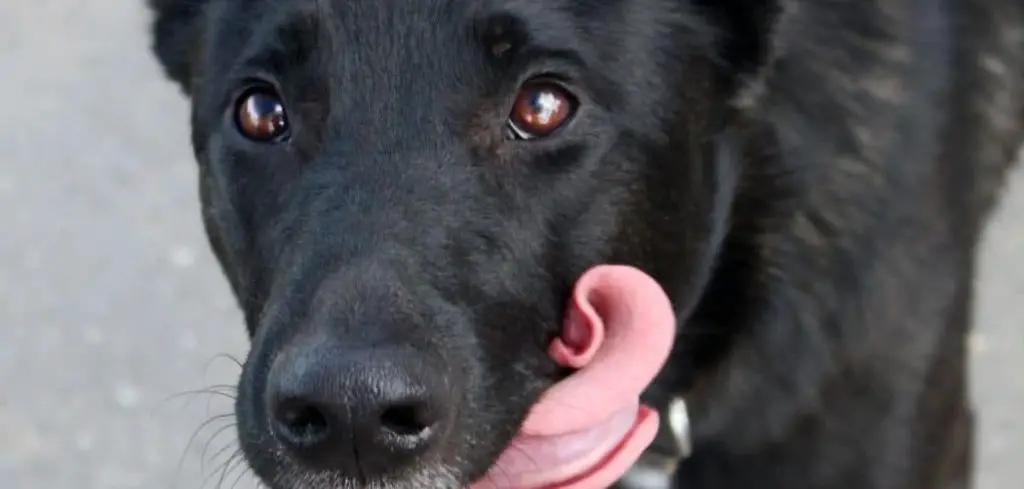
Dog Excessively Licking Their Back Leg: Common Causes
Allergies
Allergies are one of the most frequent reasons dogs start excessively licking the back leg. Dogs with allergies may react to pollen, grass, dust mites, mold, or ingredients in their food.
When allergies flare, the skin becomes itchy and inflamed — and the legs, paws, belly, and ears are some of the most commonly affected areas.
You may notice your dog constantly licking or chewing the same leg, even when resting or trying to sleep. Over time, the fur may thin, the skin may darken, and the area can become moist, red, and irritated.
Because licking temporarily relieves the itch, the behavior becomes repetitive — which unfortunately leads to even more inflammation.
Allergies usually don’t disappear on their own. If your dog is licking frequently, ongoing itch management and identifying the trigger often becomes part of long-term care.
Related: Dog Excessively Licking Front Legs (Here’s why)
Skin Infections or Hot Spots
Bacterial or yeast infections are another major cause of excessive licking. When skin becomes irritated, moist, or inflamed — it creates the perfect environment for infection.
This can develop into a “hot spot,” which is a rapidly worsening sore that becomes intensely painful and itchy.
Dogs with hot spots often obsessively lick or chew the same area on the back leg. The fur may fall out, the skin may appear red and shiny, and the area may become warm or ooze fluid. Some hot spots develop shockingly fast — sometimes within hours.
Because licking keeps the area wet, infections worsen quickly without treatment. These conditions are very uncomfortable for dogs, so veterinary care is important to stop the itch-pain cycle.
Parasites
Parasites — even a single flea — can cause severe itchiness in sensitive dogs. Flea allergy dermatitis is one of the most common causes of obsessive licking, particularly around the back legs and tail base.
If your dog is allergic, one flea bite can trigger days of itching. You may also see scratching, head shaking, or chewing. Ticks and certain types of mites can also irritate the skin, causing intense localized licking.
Even if you don’t see fleas, they may still be present. Fleas are tiny, fast, and great at hiding — and dogs often ingest them while licking.
Keeping flea prevention consistent — year-round — is essential for dogs who lick or scratch frequently.
Pain
Sometimes excessive licking is linked to pain rather than itchiness. Dogs with arthritis, ligament injuries, hip dysplasia, luxating patella, or muscle strain may lick the back leg or nearby joints.
Licking becomes a way to “soothe” discomfort. You may also notice stiffness after rest, limping, difficulty jumping, slower walks, or reluctance to play. Some dogs will only lick when lying down — especially at night.
Because dogs can’t point to where it hurts, licking becomes one of their main ways of telling you something is wrong internally.
Foreign Object Irritation
A dog might also excessively lick the back leg if something is stuck in the fur or skin — such as a burr, thorn, small cut, abrasion, or bug bite. Even a tiny irritation can feel huge to your dog, especially in sensitive skin areas.
Sometimes the cause is simple — like shampoo residue, lawn chemicals, or salt from winter roads. Anything that irritates the skin may trigger ongoing licking until the sensation stops.
If the skin becomes broken from constant licking, infection can develop — turning a small issue into a big one.
Anxiety
Not all licking is physical. Some dogs excessively lick the back leg due to anxiety, boredom, or stress. This behavior can start because of a medical trigger — then continue as a habit long after the original issue has healed.
Over time, repetitive licking can lead to a condition called acral lick dermatitis — where a thickened, hairless lesion develops from chronic self-trauma. These sores are extremely difficult to heal without addressing both the skin and the underlying behavioral component.
If your dog licks most when bored, left alone, or during stressful events, anxiety may be part of the cause.
Related: Dog licking paws and legs (Why it happens)
What to Do If Your Dog Is Excessively Licking Their Back Leg
If your dog is excessively licking the back leg, try first to stay calm and observe the behavior instead of scolding. Licking is a message — and punishment only adds stress.
Check the area if your dog allows it. Look for redness, swelling, thickened skin, moisture, hair loss, scrapes, or signs of infection. Note whether the licking is occasional, frequent, or constant — and whether it’s worsening.
Keep the area clean and dry. Sometimes trimming excess fur helps prevent moisture buildup. Avoid using human creams or medications — many are unsafe if licked. If a cone is needed to prevent irritation, use it only alongside medical care so the underlying cause is treated.
Consider whether any diet changes, environmental exposures, stress triggers, or flea exposure have occurred recently. If your dog is itching more than usual, bathing with a gentle, dog-safe shampoo may soothe the skin temporarily.
Most importantly — persistent licking is rarely a simple habit. It almost always means something needs attention.
When to Call or Visit Your Vet
You should contact your vet soon if:
- Your dog licks the back leg constantly or obsessively.
- There is redness, swelling, hair loss, or open skin.
- The area feels hot, moist, or painful.
- There is limping or stiffness.
- You suspect fleas, mites, or ticks.
- The skin appears thickened or darkened.
- There is an odor or discharge.
- Your dog seems anxious, distressed, or restless.
- The licking lasts more than 24–48 hours.
Prompt treatment prevents infection, chronic skin damage, and long-term discomfort.
Your vet may recommend medications for infection or inflammation, antihistamines or allergy treatment, pain support, dietary adjustments, or further investigation if orthopedic pain is suspected. In cases of anxiety-driven licking, behavioral support and enrichment are often part of recovery.
You know your dog better than anyone — so if something feels “off,” trust your instincts.
Read more: Dog Excessively Licking Bum (Why it happens)
Key Takeaway
A dog excessively licking the back leg is not just being quirky — it’s nearly always responding to discomfort, itchiness, irritation, pain, or stress.
Some causes are mild and temporary. Others — like allergies, infections, orthopedic pain, or anxiety — need ongoing support and veterinary care.
The best thing you can do is stay observant, be compassionate, and act early.
Keeping the skin protected, preventing further irritation, and seeking veterinary guidance when needed will help your dog feel comfortable again — and stop the licking before it becomes a long-term problem.
With the right care, most dogs recover well — and you can enjoy seeing your dog relaxed, happy, and licking only for normal grooming again.