
Dogs naturally groom themselves, but when the behavior becomes excessive, it can be a sign of something more serious.
Constant licking, biting, or grooming can cause skin irritation, hair loss, and discomfort for your dog. You may wonder if this behavior is simply a quirk or if it signals an underlying problem.
We outline the common reasons for a dog excessively cleaning themselves, what you can do at home, and when to seek veterinary care.
Table of Contents
Dog Excessively Cleaning Herself: Why It Happens
A dog excessively cleaning herself is often driven by allergies, skin infections, parasites, anxiety, or even hormonal changes. While occasional licking is normal, nonstop grooming that leads to redness, sores, or fur thinning usually indicates a medical or behavioral issue.
Dogs may lick themselves to soothe itching, relieve stress, or respond to discomfort they cannot otherwise express.
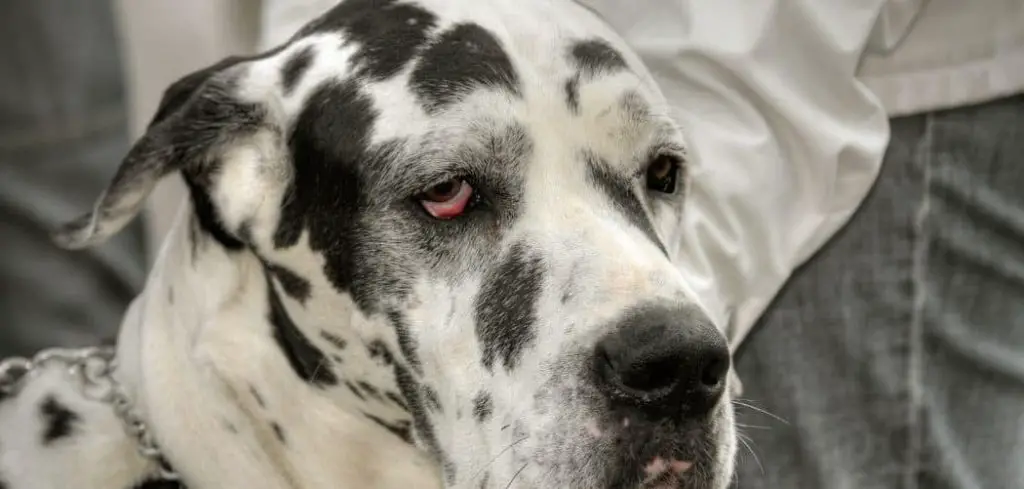
Dog Excessively Cleaning Herself: Common Causes
Allergies
Dogs with allergies frequently lick and clean themselves as a way to relieve constant itching.
This can be triggered by food sensitivities, environmental allergens like pollen or dust mites, or even contact with certain cleaning products.
You may notice their dog licking paws, belly, or flanks repeatedly. Over time, the skin can become red, inflamed, and even develop secondary infections.
Allergies often flare up seasonally but can also be chronic, making this a leading cause of over-grooming.
Read more: Dog Excessively Licking Bottom of Paw (Causes explained)
Parasites
Fleas, mites, or ticks are classic culprits for excessive cleaning. Even a small flea infestation can make a dog obsessively lick or bite at their skin.
Flea allergy dermatitis in particular, causes intense itching that leads to constant self-grooming.
Dogs may focus on their hindquarters or base of the tail, leaving behind bald patches or scabs.
While parasites are treatable, leaving them unchecked not only worsens the licking but can also cause severe skin infections.
Skin Infections
Bacterial or fungal infections can trigger nonstop licking and cleaning. Yeast infections, for example, often affect moist areas like paws, ears, or folds of skin, leading dogs to clean excessively.
You may notice a strong odor, greasy fur, or brown discharge in affected areas. Infections can start small but progress quickly if left untreated, making them a common reason behind compulsive licking and grooming.
Anxiety and Stress
For some dogs, excessive cleaning is less about physical discomfort and more about emotional relief.
Stressful triggers such as separation, loud noises, or changes in the household can lead dogs to lick themselves repetitively.
This behavior is similar to nail-biting in humans—it becomes a coping mechanism. Over time, this can turn into a compulsive behavior that’s difficult to break without intervention.
Hormonal Imbalances
Endocrine disorders such as hypothyroidism or Cushing’s disease can cause skin changes that lead to irritation and self-cleaning.
Dogs may lick areas where the coat is thinning or where their skin feels itchy or sensitive.
Hormonal issues often come with other symptoms, like weight changes, lethargy, or increased thirst, but the grooming behavior may be one of the earliest signs you notice.
Pain or Discomfort
Sometimes, dogs excessively clean a specific area because it hurts. Joint pain, injuries, or even post-surgical discomfort can lead a dog to lick one spot repeatedly.
This focused cleaning can give clues to where the pain is located, but it can also worsen the problem if it delays proper treatment.
Why is My Female Dog Licking Her Privates More Than Usual?
A female dog that is licking her private area more than usual is often experiencing irritation, discomfort, or an underlying medical issue.
Common causes include urinary tract infections, vaginal infections, allergies, skin irritation, hormonal changes, or debris trapped around the vulva.
Some dogs may also increase licking during their heat cycle or after urinating if the area feels uncomfortable.
Occasional grooming is normal, but excessive licking that occurs frequently throughout the day or causes redness, swelling, hair loss, or discharge should be evaluated by a veterinarian to determine the underlying cause.
Senior Dog Excessively Cleaning Herself
Excessive self-cleaning in senior dogs can be caused by urinary tract problems, arthritis, skin allergies, cognitive dysfunction, hormonal disorders, or pain.
Older dogs may also develop infections or age-related conditions that make certain areas of the body feel itchy or uncomfortable.
In some cases, repetitive grooming can become a behavioral habit associated with anxiety or cognitive decline.
If a senior dog suddenly begins grooming excessively, especially if the behavior is new or accompanied by other symptoms such as increased drinking, accidents in the house, or skin irritation, a veterinary examination is needed.
Read more: Senior dog excessively cleaning herself (Causes and when to worry)
What to Do If Your Dog Is Excessively Cleaning Herself
The first step is to carefully observe where and when your dog is grooming. If the cleaning seems focused on a particular spot, check for redness, swelling, parasites, or wounds.
Keeping a record of when the behavior happens can also help your vet identify triggers.
At home, you can help by bathing your dog with a gentle, vet-approved shampoo to soothe the skin.
For allergies, wiping down paws after walks can reduce exposure to environmental triggers.
Offering distraction through interactive toys, play, or puzzle feeders can reduce anxiety-driven cleaning. Consistency in routines often helps stressed dogs feel more secure.
If parasites are suspected, using a reliable flea and tick prevention program is essential.
For anxious dogs, calming strategies such as pheromone diffusers or relaxation training may reduce the urge to over-groom. However, it’s important not to rely on home remedies alone if the behavior is severe or persistent.
When to Call or Visit Your Vet
You should contact your veterinarian if excessive cleaning results in hair loss, open sores, or persistent redness.
These are signs that the behavior is causing harm or that there may be an underlying infection.
If the grooming is accompanied by other symptoms such as weight changes, lethargy, or increased thirst, a hormonal disorder may be at play.
Seek immediate veterinary attention if your dog’s cleaning behavior suddenly intensifies, if you notice parasites, or if your dog seems distressed while licking.
Chronic anxiety-driven cleaning also warrants a vet visit, as your pet may benefit from behavioral therapy or medication to break the cycle.
Read more: Dog Licking Excessively (Should you worry?)
Dog Excessively Cleaning Herself: Treatment
Treatment depends on the reason for the excessive grooming. The veterinarian may prescribe antibiotics for infections, anti-inflammatory medications for irritation, allergy treatments, or medications to address underlying hormonal or urinary tract conditions.
If anxiety or cognitive dysfunction is contributing to the behavior, behavioral management and appropriate medications may also help.
At home, keeping the area clean, dry, and free of irritants can provide temporary comfort, but excessive licking should not be ignored.
Successful treatment requires identifying and addressing the underlying cause rather than simply preventing the licking behavior itself.
Key Takeaway
Excessive cleaning in dogs is usually a response to discomfort, whether physical or emotional.
While occasional grooming is natural, constant licking and biting can lead to serious skin problems and signal bigger health issues.
By monitoring your dog closely, addressing potential allergens or parasites, and seeking timely veterinary care, you can help your dog feel more comfortable and prevent long-term damage.
A caring and proactive approach is the best way to support your dog’s well-being.


