
It’s concerning to see your dog constantly biting or chewing their paws.
This repetitive behavior can signal anything from minor irritations to serious underlying conditions affecting their health and comfort.
We outline the reasons why a dog may excessively bite its paws, what you can do at home, and when to seek veterinary help.
Table of Contents
Dog Excessively Biting Paws: Why It Happens
When a dog is excessively biting their paws, it’s usually a sign of irritation, discomfort, or anxiety. Common causes include allergies (both environmental and food-related), external parasites like fleas, skin infections, anxiety-driven behaviors, or even injuries and foreign bodies.
The biting behavior often becomes compulsive when the underlying trigger isn’t addressed, which can lead to further damage and secondary infections.
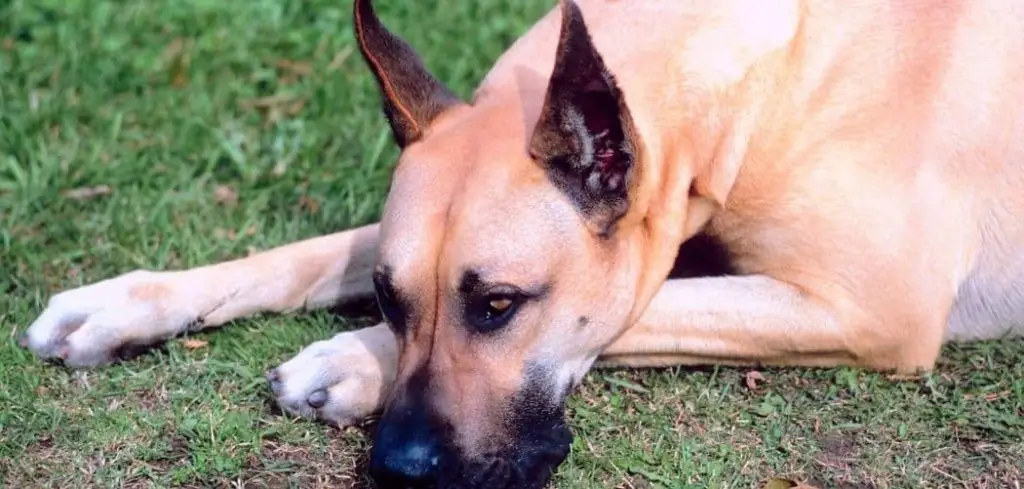
Dog Excessively Biting Paws: Common Causes
Allergies
Allergies are among the most frequent reasons dogs bite or chew their paws. This can be due to environmental allergens like pollen, dust mites, or mold, or food ingredients such as chicken, beef, or dairy.
The immune system reacts, causing inflammation and intense itching, particularly in the paws.
You may notice redness, swelling between the toes, or a persistent odor.
Dogs with allergies often lick and chew their paws as a way to soothe the irritation, but this can lead to open sores or secondary infections.
Read more: Dog panting and licking paws (Could it be something serious?)
Fleas and Mites
External parasites like fleas, mites, or ticks can cause intense itching and discomfort. Even a single flea bite can trigger a hypersensitivity reaction in some dogs, especially those with flea allergy dermatitis.
The paws may become the focal point of biting because they’re easily accessible and often where parasites hide.
Mange caused by mites can also result in paw chewing, hair loss, and scabbing. Regular parasite prevention is crucial to ruling this out.
Anxiety or Boredom
Dogs sometimes develop compulsive behaviors like paw biting due to stress, separation anxiety, or lack of mental stimulation.
This type of behavioral issue often shows up when the dog is left alone or during stressful events like storms or fireworks.
Paw biting becomes a self-soothing behavior, similar to nail biting in humans.
If left unaddressed, the behavior can become habitual, even after the original stressor is gone.
Fungal or Bacterial Infections
Yeast infections or bacterial overgrowth can lead to inflamed, itchy paws that prompt biting.
These infections may stem from underlying allergies, moist environments, or small cuts that allow bacteria to enter.
Look for signs like discoloration (brown or rust-colored fur), foul smell, or sticky discharge around the paws.
Such infections can worsen quickly if the dog keeps chewing and introducing more bacteria.
Foreign Objects or Injuries
Dogs may bite at their paws if something is physically irritating them.
This includes splinters, thorns, sharp stones, or small cuts and abrasions from rough terrain.
A limp, licking one specific area, or sudden onset of biting can be a clue.
Check for visible wounds, stuck objects, or signs of pain when touching the paw.
Removing the foreign body or treating the injury often stops the behavior.
Dry or Cracked Paw Pads
Cold weather, hot pavement, or excessive licking can cause the paw pads to dry out and crack.
This results in painful fissures that a dog may attempt to relieve through biting.
Some dogs are more prone to dry skin conditions, particularly during seasonal changes.
Regular moisturizing with dog-safe balms can help prevent this issue.
Old Dog Excessively Biting Paws
Excessive paw biting in older dogs is usually caused by allergies, arthritis pain, skin infections, parasites, or anxiety. Environmental allergies often make the paws itchy, leading dogs to lick and chew constantly, which can cause redness, swelling, and hair loss between the toes.
Senior dogs may also bite their paws due to joint pain, especially if arthritis affects the legs or spine.
In some cases, yeast or bacterial infections develop from moisture buildup, creating a strong odor and irritated skin. Persistent paw biting should be evaluated, since untreated irritation can lead to sores and secondary infections.
Why Is My Female Dog Biting Her Paws at Night?
Nighttime paw biting often becomes more noticeable when the environment is quiet and the dog is resting or bored, making itching or discomfort harder to ignore.
Allergies can worsen at night due to dust, bedding materials, or indoor allergens. Some dogs also develop anxiety-related licking behaviors, especially before sleep.
In female dogs, hormonal fluctuations or skin sensitivity may also contribute. If the behavior happens mostly at night, check for redness, moisture, odor, or swelling, as these signs often indicate irritation or infection that needs treatment.
Home Remedies to Stop Dog From Chewing Paws
Mild cases of paw biting can sometimes be eased with supportive care at home. First, inspect your dog’s paws carefully for any obvious signs of injury, swelling, debris, or discharge.
If you find something stuck like a thorn or splinter, gently remove it and rinse the paw with warm water. Gently rinsing paws with lukewarm water after walks helps remove allergens like grass and dust. Paw soaks using diluted antiseptic solutions or oatmeal-based products may soothe irritated skin. Keeping nails trimmed and paw hair short reduces trapped moisture.
Keep the area clean and monitor for signs of infection like redness or pus.
For mild irritation or dryness, applying a pet-safe paw balm can help soothe discomfort.
If you suspect allergies, try switching to a hypoallergenic diet or limiting exposure to common irritants.
Consider using an Elizabethan collar or a dog bootie temporarily to break the biting cycle while you identify the cause.
Make sure your dog is getting enough exercise and mental stimulation to rule out boredom-related behaviors.
However, if paws are red, swollen, bleeding, or the behavior persists, veterinary care is necessary to treat the underlying cause properly.
When to Call or Visit Your Vet
You should contact your veterinarian if:
The biting is constant or has intensified suddenly.
There’s visible swelling, bleeding, or discharge from the paws.
You notice signs of infection such as odor, heat, or pus.
Your dog seems to be in pain when walking or you observe limping.
The behavior doesn’t improve within a few days of home care.
Your dog is also experiencing symptoms like vomiting, lethargy, or loss of appetite.
Excessive paw biting can quickly escalate to open wounds and infections, so don’t delay if the symptoms are severe or persistent.
Read more: Dog Licking Paws Excessively (Here’s what it might mean)
Dog Excessively Biting Paws Treatment
Treatment depends on identifying the underlying cause. Veterinarians may prescribe anti-itch medications, allergy treatments, antibiotics, or antifungal medications if infection is present. Dogs with arthritis-related paw chewing may benefit from pain relief medication or joint supplements.
If allergies are suspected, treatment may include diet changes, medicated paw soaks, or long-term allergy management.
Keeping paws clean and dry, trimming hair between the toes, and using protective measures like temporary cones or paw coverings can help prevent further damage while the skin heals.
Key Takeaway
If your dog is excessively biting their paws, it’s important to take the behavior seriously.
Whether it’s due to allergies, anxiety, infection, or a foreign object, addressing the root cause early can prevent long-term complications.
Gentle at-home care can help in mild cases, but don’t hesitate to consult your vet if symptoms persist or worsen.
By staying observant and proactive, you can help your dog find relief and comfort quickly.