
A dog constantly scratching their ears and shaking their head is usually trying to relieve irritation or discomfort inside the ears.
Occasional head shaking may be harmless, but frequent ear scratching and shaking often point to inflammation or parasites that can quickly worsen without treatment.
Table of Contents
Dog Ears Itching and Shaking Head: Why It Happens
A dog may itch their ears and shake their head because something is irritating or inflaming the ear canal.
Common causes include ear infections, allergies, ear mites, trapped moisture, or foreign material such as grass seeds inside the ear. As irritation increases, dogs scratch their ears and shake their head repeatedly in an attempt to relieve the discomfort.
Some dogs only develop mild itching, while others experience redness, swelling, odor, pain, or thick discharge from the ears.
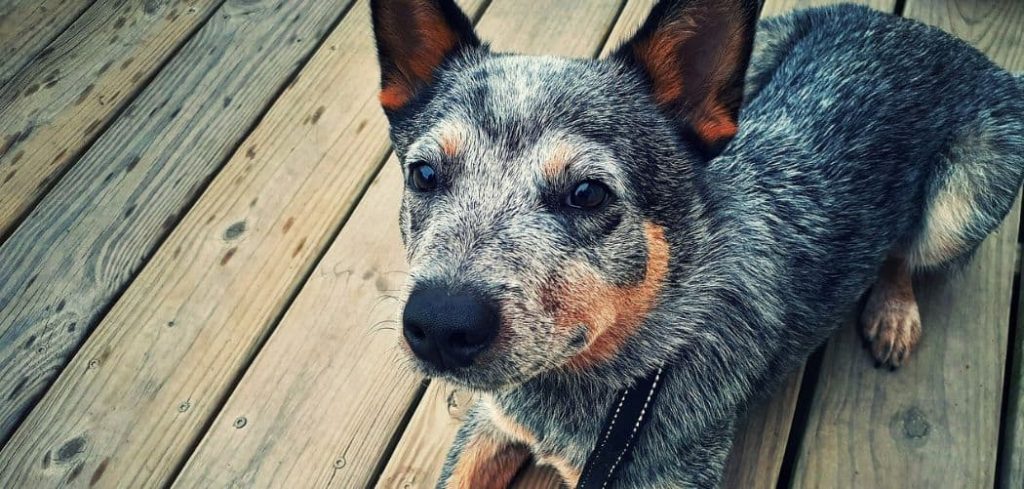
Dog Ears Itching and Shaking Head: Common Causes
Ear Infections
Ear infections are one of the most common reasons dogs itch their ears and shake their head constantly.
Bacteria or yeast can grow inside the ear canal, especially in dogs with allergies, floppy ears, or excess moisture in the ears.
The infection causes inflammation and irritation that makes the ears intensely itchy and uncomfortable.
Dogs with ear infections often scratch around the ears, rub their face against furniture, or shake their head repeatedly. You may notice redness, swelling, dark discharge, or a strong odor coming from the ears.
Without treatment, ear infections can become painful and may eventually affect hearing or balance.
Read more: Dog Losing Hair and Itching (Why it happens)
Allergies
Environmental and food allergies commonly trigger ear irritation in dogs.
Pollen, dust mites, grass, mold, or certain food ingredients can inflame the skin inside the ears, making them itchy and sensitive. Dogs with allergies often have recurring ear problems rather than a single isolated episode.
Many allergy-prone dogs also lick their paws, scratch their body, or develop red, irritated skin alongside the ear symptoms.
Chronic inflammation from allergies can make dogs more vulnerable to repeated ear infections.
Read more: Dog Excessively Itching but No Fleas (What’s behind it?)
Ear Mites
Ear mites are tiny parasites that live inside the ear canal and cause severe itching.
They are more common in puppies and younger dogs but can affect dogs of any age. Dogs with ear mites often shake their head constantly and scratch their ears intensely.
The ears may contain dark, crumbly debris that resembles coffee grounds. Some dogs also develop redness, inflammation, or small scabs around the ears from scratching.
Because ear mites are highly irritating and contagious to other pets, treatment is important.
Moisture in the Ears
Dogs that swim frequently or get water trapped in their ears may develop irritation and inflammation.
Moisture creates a warm environment where bacteria and yeast grow easily, leading to itching and head shaking. Floppy-eared breeds are especially prone to this problem because air circulation inside the ears is reduced.
Some dogs begin with mild irritation that later develops into a full ear infection if the moisture remains trapped.
Drying the ears properly after swimming or bathing can help reduce the risk.
Foreign Objects in the Ear
Grass seeds, dirt, plant material, or debris trapped inside the ear can suddenly trigger intense head shaking and scratching.
Dogs often become very uncomfortable when something becomes lodged inside the ear canal. Some may tilt their head, paw at the ear, or cry when the area is touched.
Symptoms often appear very suddenly after outdoor activity or walks through tall grass.
Foreign objects inside the ear should be removed by a veterinarian because improper removal attempts can push the object deeper.
Skin Conditions
Certain skin conditions and yeast overgrowth can affect the ears and surrounding skin.
Yeast infections commonly cause greasy skin, redness, itching, and a musty odor inside the ears. Dogs with chronic skin allergies are particularly prone to yeast-related ear irritation.
The ears may appear darkened, thickened, or inflamed if the problem has been ongoing for a long time.
Persistent scratching can eventually lead to wounds, swelling, or ear hematomas caused by repeated head shaking.
Dog Ears Itching and Shaking Head: What to Do
If your dog has mild ear itching and head shaking, carefully inspect the ears for redness, swelling, odor, discharge, or debris.
Keep the ears clean and dry, especially after swimming or bathing. Use only veterinarian-approved ear cleaners because some products can worsen irritation if the ear is infected or damaged.
Avoid inserting cotton swabs deep into the ear canal, as this may push debris farther inside or injure the ear.
Prevent excessive scratching when possible because repeated head shaking and scratching can lead to swollen ear flaps called hematomas.
Monitor for additional symptoms such as paw licking, skin itching, odor, or recurring infections, as these signs often suggest underlying allergies.
When to Call or Visit Your Vet
You should contact your veterinarian if your dog’s itching or head shaking becomes severe, persistent, or suddenly worsens.
Strong odor, thick discharge, swelling, bleeding, or obvious pain should be evaluated promptly because ear infections can become serious quickly.
Head tilting, loss of balance, walking in circles, or sensitivity when touching the ears may indicate deeper ear involvement and require urgent care.
Dogs that repeatedly develop ear infections often need further evaluation for allergies or chronic skin disease.
If your dog develops a swollen ear flap after excessive head shaking, veterinary treatment is important because ear hematomas can become painful and may require drainage or surgery.
Persistent ear scratching rarely improves completely unless the underlying cause is identified and treated properly.
Read more: Dog Itching Ears and Biting Paws (Why it happens)
Key Takeaway
Dog ears itching and shaking head are commonly caused by ear infections, allergies, ear mites, trapped moisture, or foreign material inside the ear canal. Mild irritation may improve with proper ear care, but persistent symptoms often worsen without treatment.
Monitoring your dog’s ears closely and seeking veterinary care when symptoms become severe, painful, or recurrent can help prevent chronic discomfort and long-term ear damage. Early treatment is often the best way to relieve itching and restore ear health quickly.


