
If your dog is drooling excessively and stumbling around, it’s not just clumsiness or excitement — it could be a sign something is seriously wrong.
We outline the common reasons for a dog drooling and stumbling, what you can do at home, and when to seek veterinary care.
Table of Contents
Dog Drooling and Stumbling: Why It Happens
When a dog drools and stumbles at the same time, this often points to neurological issues such as a seizure disorder or stroke, and poisoning. Dogs may also show these signs if they’re suffering from inner ear problems or vestibular disease, which affect balance.
Sometimes, dental pain or severe nausea can also lead to similar symptoms. These seemingly disconnected signs are often related through the nervous system or internal organ function.
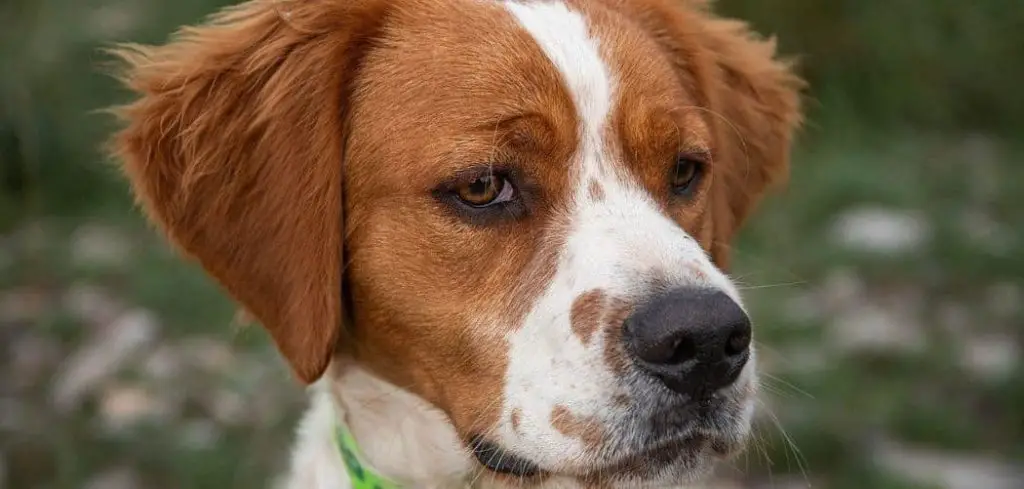
Dog Drooling and Stumbling: Common Causes
Vestibular Disease
Vestibular disease affects the balance center in your dog’s inner ear or brain.
When this system is disrupted, your dog may suddenly appear dizzy, tilt their head, lose balance, or fall over. This can cause them to stumble while walking.
The disorientation can lead to stress-induced drooling, and nausea from the motion imbalance makes it worse.
It’s especially common in older dogs and can come on suddenly, which can be alarming for dog parents.
Read more: Old Dog Vestibular Disease (Causes, signs and treatment)
Toxic Ingestion
If your dog has consumed something toxic — like a household chemical, human medication, or poisonous plant — drooling and stumbling may be among the first symptoms.
Toxins can damage the nervous system, leading to uncoordinated movement or tremors.
Excessive salivation is also a defense response to the irritant.
These cases are urgent, as some poisons can cause organ failure or seizures if not treated quickly.
Read more: Dog Drooling and Off Balance (What it might mean)
Seizures or Neurological Disorders
Dogs with epilepsy or other brain disorders may experience seizures that begin with disorientation, stumbling, and foaming or drooling.
Not all seizures look dramatic; some present as temporary confusion, imbalance, or excessive salivation.
These episodes can occur without warning and may last only seconds or a few minutes.
Recurring neurological episodes should be evaluated and managed with a vet’s help.
Heatstroke
If your dog has been in hot weather or exercised too hard, drooling and stumbling could be a red flag for heatstroke.
Overheating leads to a rise in core body temperature, which affects brain function and muscle control.
Your dog may pant heavily, drool uncontrollably, and lose their ability to walk straight or remain steady. Heatstroke can quickly become fatal, so rapid action is essential.
Dental or Oral Pain
In some cases, drooling can stem from severe dental pain, such as an abscess or broken tooth.
While this doesn’t directly cause stumbling, the discomfort and infection may make your dog reluctant to move, appear off-balance, or act withdrawn.
Pain may also lead to changes in gait or posture that resemble instability. You may mistake this pain-related hesitation for stumbling.
Stroke
Though less common, strokes do occur in dogs and can result in sudden loss of coordination, disorientation, and excessive drooling.
A stroke interrupts blood flow to parts of the brain, leading to neurological deficits.
Dogs might walk in circles, tip over, or appear confused.
Strokes are medical emergencies and often require diagnostics like imaging to confirm and guide treatment.
Dog Drooling, Stumbling and Shaking
When drooling, stumbling, and shaking occur together, it often suggests significant distress or illness.
Possible causes include poisoning, seizures, neurological disease, severe pain, low blood sugar, heatstroke, or inner ear disorders affecting balance.
Some dogs may also appear anxious, weak, or confused while experiencing these symptoms.
This combination should be considered urgent, especially if the signs develop suddenly.
Immediate veterinary attention is required because some underlying causes can rapidly become life-threatening without treatment.
My Dog is Stumbling and Disoriented
A dog that is stumbling and acting disoriented may have a problem affecting the brain, inner ear, nervous system, or circulation. The dog may seem confused, walk into objects, lose balance, or struggle to navigate familiar surroundings. Vestibular disease, neurological conditions, toxins, infections, and metabolic disorders are common causes.
Disorientation and stumbling are not normal behaviors and warrant veterinary evaluation. Prompt diagnosis can help determine whether the condition is temporary and treatable or part of a more serious underlying illness.
Old Dog Drooling and Stumbling
An older dog that is drooling and stumbling may be experiencing a serious medical issue affecting the nervous system, balance, or overall health.
Common possibilities include vestibular disease, stroke-like events, poisoning, severe dental pain, neurological disorders, or metabolic diseases.
The dog may appear unsteady, walk in circles, fall over, or have difficulty coordinating movements while producing excessive saliva.
Because these symptoms can indicate a medical emergency, senior dogs showing sudden drooling and loss of balance should be evaluated by a veterinarian as soon as possible.
Dog Drooling and Stumbling Treatment at Home
Home treatment should be limited to keeping the dog safe and comfortable while seeking veterinary advice.
First, stay calm and keep your dog in a safe area where they can’t fall or hurt themselves.
If they’ve been exposed to something potentially toxic, try to identify the substance and contact a vet or poison hotline immediately.
For dogs showing vestibular symptoms, keeping them quiet and minimizing movement helps reduce stress and injury.
Ensure they have access to water and are not overheating. If your dog is panting heavily and the weather is warm, move them to a cool area and offer small amounts of water.
If the drooling and stumbling are brief and your dog recovers quickly, monitor closely — but if symptoms persist or worsen, medical attention is crucial.
Because drooling and stumbling can result from poisoning, neurological emergencies, or other serious conditions, home care should never replace professional veterinary assessment.
When to Call or Visit Your Vet
If your dog is drooling and stumbling for more than a few minutes, it’s time to consult a veterinarian.
Seek immediate help if:
Your dog has ingested something toxic.
They lose consciousness, have a seizure, or collapse.
Their temperature is elevated, or they’re panting heavily with pale gums.
They seem confused, unable to stand, or their symptoms worsen quickly.
Even if the episode passes, recurring symptoms need to be professionally evaluated to rule out underlying issues like brain tumors, epilepsy, or vestibular syndrome.
Read more: Dog Drooling and Anxiety (Is stress to blame?)
Dog Drooling and Stumbling: Treatment
Veterinary treatment depends on the underlying cause of the symptoms. The veterinarian may perform a neurological examination, blood tests, blood pressure measurements, and imaging studies such as X-rays, CT scans, or MRI scans to identify the problem.
Additional testing may be needed if poisoning, infection, or metabolic disease is suspected.
Treatment may include intravenous fluids, anti-nausea medication, medications for vestibular disease, seizure control drugs, treatment for poisoning, or supportive care for neurological conditions.
Early intervention is important because some causes of drooling and stumbling respond well to treatment, while delays can increase the risk of complications or permanent damage.
Key Takeaway
Drooling and stumbling in dogs isn’t just a quirky combination — it can signal serious medical issues ranging from toxin exposure to neurological disease.
Act quickly, keep your dog safe, and don’t hesitate to call your vet for advice.
The sooner you identify the cause, the better your chances of a full recovery and peace of mind.
Stay observant, trust your instincts, and always prioritize your dog’s well-being.


