
Hearing your dog cough can be unsettling, especially when they still seem energetic, playful, and completely themselves.
While a normal attitude can be reassuring, coughing is a sign that something is irritating or affecting your dog’s airways and shouldn’t be ignored.
We explain the most common causes of a dog coughing but acting normal, what you can do at home, and when to seek veterinary care.
Dog Coughing but Acting Normal: Why It Happens
When a dog is coughing but acting normal, it often means there is mild or early irritation in the throat, airways, or chest that hasn’t yet affected overall health or energy levels. Common causes include throat irritation, allergies, kennel cough, collapsing trachea, heart-related changes, or environmental triggers like dust and smoke.
In many cases, dogs compensate well at first, so appetite, mood, and activity remain unchanged. Even so, a persistent or recurring cough can be an early warning sign that deserves attention.
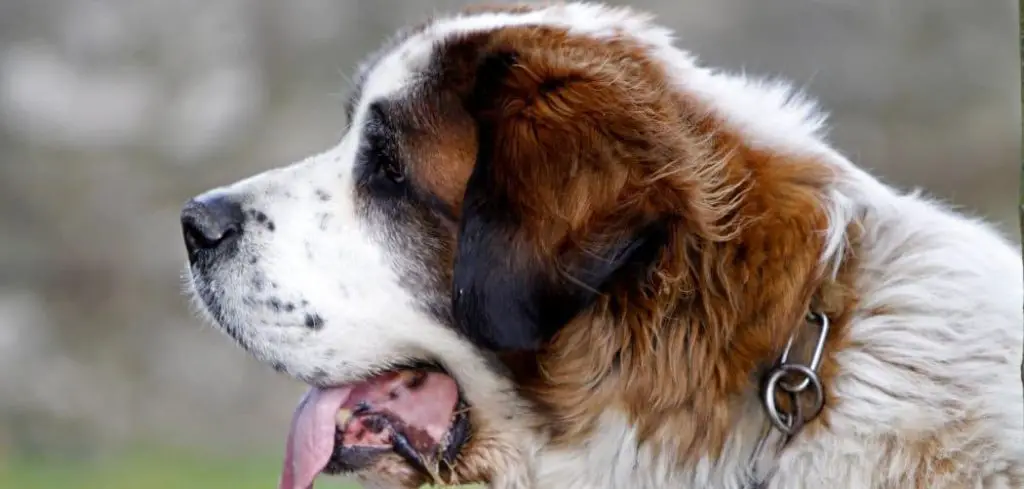
Dog Coughing but Acting Normal: Common Causes
Kennel Cough or Mild Respiratory Infection
Kennel cough is a frequent reason dogs cough while still acting normal.
This contagious respiratory infection irritates the trachea and upper airways, triggering a dry, hacking cough that often sounds like gagging or retching. In mild cases, dogs feel well enough to play, eat, and behave normally.
You may notice coughing after excitement, exercise, or pulling on a leash, with little to no nasal discharge or lethargy. Because symptoms can be subtle early on, the cough may be the only sign.
Although many cases resolve with rest, kennel cough can worsen or spread, particularly in puppies or dogs with weaker immune systems.
Related: Dog coughing up phlegm (Causes explained)
Throat Irritation or Foreign Material
Simple throat irritation can cause coughing without affecting behavior.
Dust, pollen, grass seeds, smoke, or small particles can irritate the throat or upper airway, triggering a protective cough. Dogs may cough briefly and then return to normal activity.
Owners may notice coughing after walks, outdoor play, or exposure to strong scents or cleaning products. The cough is often intermittent rather than constant.
While mild irritation often clears on its own, persistent coughing may indicate that something is lodged or ongoing exposure is causing inflammation.
Allergies or Environmental Sensitivities
Allergies can affect a dog’s respiratory system just like they do in people.
Seasonal pollen, mold, dust mites, or household irritants can inflame the airways, leading to coughing even when the dog otherwise feels fine. Energy levels and appetite usually remain normal.
You may also notice sneezing, watery eyes, mild itching, or licking of paws alongside the cough. Symptoms may come and go depending on the environment.
Chronic allergies can cause ongoing airway irritation, increasing the risk of secondary infections if not managed.
Collapsing Trachea
A collapsing trachea is a common cause of coughing, especially in small-breed dogs.
This condition occurs when the cartilage rings supporting the windpipe weaken, causing airway narrowing during breathing or excitement. The result is a characteristic honking cough.
Dogs with mild tracheal collapse often act completely normal between coughing episodes. Coughing may worsen with excitement, exercise, heat, or leash pressure.
While early stages may seem manageable, tracheal collapse can progress over time and require medical management to prevent breathing difficulties.
Heart-Related Changes (Early Stages)
Early heart disease can cause coughing before obvious signs of illness appear.
As the heart enlarges or fluid begins to affect circulation, it can put pressure on the airways or lungs, triggering a cough. In early stages, dogs often still feel good and remain active.
Coughing may be more noticeable at night, during rest, or after mild activity. Other signs may be subtle or absent at first.
Because heart disease can worsen silently, coughing should never be dismissed, even when behavior seems normal.
Acid Reflux or Mild Gastrointestinal Irritation
Some dogs cough due to acid reflux or mild digestive irritation.
Stomach acid can travel upward into the esophagus and throat, especially after eating or during sleep, causing irritation that triggers coughing or throat clearing.
Dogs may otherwise seem completely fine, with normal appetite and energy. Occasional lip licking, swallowing, or burping may also occur.
Repeated reflux can inflame the esophagus and airways, making coughing more frequent over time.
Related: Dog throwing up and coughing (Common causes)
What to Do If Your Dog Is Coughing but Acting Normal
Start by observing your dog’s cough carefully. Note how often it happens, what it sounds like, and whether it occurs during rest, activity, or excitement.
Limit exposure to potential irritants such as smoke, strong fragrances, dust, or cold air. Using a harness instead of a collar can also reduce throat pressure if coughing worsens on walks.
Ensure your dog has access to fresh water and a calm environment, especially if coughing increases with excitement or stress.
Monitor for additional symptoms over several days, including changes in appetite, energy, breathing effort, or the presence of nasal discharge.
When to Call or Visit Your Vet
If your dog’s cough lasts more than a few days or becomes more frequent, a veterinary check is recommended.
Seek prompt care if coughing is accompanied by labored breathing, lethargy, fever, loss of appetite, or blue or pale gums.
Coughing that worsens at night, produces mucus, or is associated with collapse or weakness should be evaluated as soon as possible.
Puppies, senior dogs, and dogs with known heart or respiratory conditions should always be assessed quickly when coughing develops.
Read more: Dog coughing up white foamy mucus (What it means)
Key Takeaway
A dog coughing but acting normal can be reassuring on the surface, but coughing is never something to ignore completely. Many causes start mildly and quietly before progressing into more serious problems.
By monitoring symptoms closely, reducing triggers at home, and involving your veterinarian when coughing persists or worsens, you can protect your dog’s respiratory health and address issues early, when treatment is most effective.