
Seeing blood after your dog coughs is frightening, especially when they otherwise seem fine, playful, and alert.
Even if your dog is acting normal, coughing up blood is never considered normal and should always be taken seriously.
We explain the most common causes of a dog coughing up blood but acting normal, and what you can do.
Dog Coughed Up Blood but Acting Normal: Why It Happens
When a dog coughs up blood but is acting normal, it often means the source of bleeding is localized to the airways or lungs and hasn’t yet affected overall energy or behavior. Common causes include airway irritation, respiratory infections, minor trauma to the throat, heart-related conditions, bleeding disorders, or lung disease.
Dogs can compensate well in early stages, which is why appetite and activity may stay normal at first.
However, coughing up blood is always a warning sign that something abnormal is happening inside the respiratory system and should not be ignored.
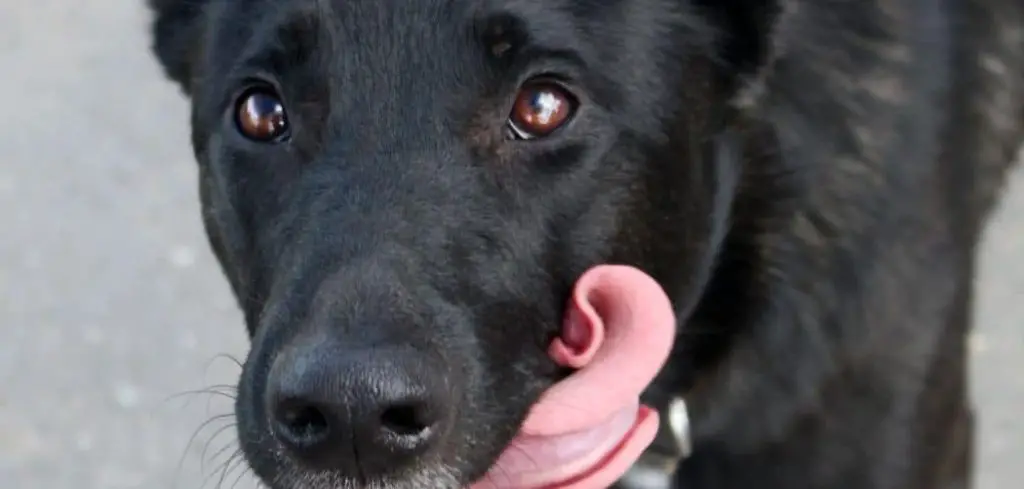
Dog Coughed Up Blood but Acting Normal: Common Causes
Airway Irritation
One of the most common and least severe causes is irritation or injury to the throat or upper airways.
Dogs that pull hard on collars, chew sharp objects, inhale dust, or cough forcefully may cause small blood vessels in the throat or trachea to rupture. This can result in small streaks or spots of blood when coughing.
You may notice coughing fits, gagging, or throat-clearing sounds, but your dog otherwise behaves normally.
While minor irritation can resolve on its own, repeated coughing can worsen inflammation and increase bleeding, making monitoring essential.
Related: Dog Coughing but Acting Normal (What it means)
Respiratory Infections
Bacterial, viral, or fungal respiratory infections can inflame the airways and lungs.
As the lining of the respiratory tract becomes irritated, fragile blood vessels may bleed during coughing episodes. In early or mild cases, dogs may still eat, play, and act normal despite coughing up blood.
Additional signs may include nasal discharge, occasional sneezing, or a deep, persistent cough that produces pink-tinged mucus.
Even if your dog seems fine, untreated infections can progress and become more serious over time.
Heart Disease
Heart-related conditions are an important cause to consider, especially in adult and senior dogs.
Heart disease or heartworm infection can increase pressure in the blood vessels of the lungs, leading to leakage or rupture during coughing. This may cause blood to appear suddenly, even before other symptoms become obvious.
Dogs may still appear energetic and alert in the early stages, which can be misleading for owners.
As heart conditions progress, coughing, breathing changes, exercise intolerance, and weakness may follow, making early veterinary evaluation critical.
Lung Inflammation
Inflammation deep within the lungs can lead to coughing up blood even when outward behavior seems normal.
Pneumonia or severe lung inflammation causes damage to delicate lung tissue, allowing blood to mix with mucus during coughing. Early on, dogs may compensate well and continue normal activity.
You might notice coughing that worsens with activity, subtle breathing changes, or a wet-sounding cough.
Lung conditions can worsen quickly if untreated and may become life-threatening if ignored.
Bleeding Disorders or Toxin Exposure
Conditions that interfere with normal blood clotting can cause spontaneous bleeding.
Bleeding disorders, liver disease, or ingestion of toxins such as rat poison can make it easier for blood vessels to bleed during coughing. In these cases, coughing may simply reveal an underlying clotting problem.
Your dog may otherwise seem normal initially, but bleeding can also occur in other areas, such as gums, urine, or stool.
These conditions are medical emergencies and require immediate veterinary care.
Lung Tumors or Growths
Abnormal growths in the lungs or airways can cause coughing with blood.
Tumors may erode nearby blood vessels, leading to intermittent bleeding during coughing episodes. Early in the disease, dogs may still act normal, especially if the growth is small.
Coughing may gradually increase in frequency or severity over time, sometimes accompanied by weight loss or breathing difficulty later on.
Early detection improves treatment options and outcomes, making evaluation important even if behavior hasn’t changed.
Related: Dog coughing up phlegm (Causes explained)
What to Do If Your Dog Coughed Up Blood but Acting Normal
If your dog coughs up blood, try to keep them calm and limit physical activity, as excitement can worsen coughing and bleeding.
Check whether the blood appears as streaks in mucus or larger amounts, and note how often coughing occurs. This information is valuable for your veterinarian.
Avoid using collars that put pressure on the throat and switch to a harness if needed to reduce airway irritation.
Do not give human medications or cough suppressants unless specifically directed by your veterinarian, as some can be dangerous for dogs.
Continue to monitor appetite, energy level, breathing rate, and gum color closely, even if your dog seems normal.
When to Call or Visit Your Vet
Any instance of a dog coughing up blood warrants a call to your veterinarian, even if your dog is acting normal.
Seek immediate veterinary care if the amount of blood increases, coughing becomes frequent or severe, or breathing appears labored.
Urgent attention is needed if coughing up blood is accompanied by weakness, collapse, pale gums, fever, or rapid breathing.
Dogs with known heart disease, recent toxin exposure, or a history of respiratory problems should be evaluated as soon as possible.
Read more: Dog coughing up white foamy mucus (What it means)
Key Takeaway
A dog coughing up blood but acting normal can give a false sense of reassurance, but it is never something to ignore. While some causes may be mild or temporary, others can signal serious underlying conditions that need prompt care.
By staying calm, limiting activity, and involving your veterinarian early, you help protect your dog’s health and ensure that potentially serious problems are addressed before they escalate.