
Panting is a normal behavior in dogs, but constant panting can leave pet owners feeling anxious and worried. While some causes are harmless, others may indicate a more serious health condition that requires attention.
We outline the common reasons for a dog constantly panting, what you can do at home, and when to seek veterinary care.
Table of Contents
Dog Constantly Panting: Why It Happens
A dog that is constantly panting may be dealing with anything from overheating to underlying health issues. It can happen when dogs are anxious, in pain, struggling with heart or lung conditions, or experiencing hormonal imbalances like Cushing’s disease.
Heatstroke and obesity also contribute, as excess weight makes it harder for dogs to regulate their temperature.
Sometimes, panting is a warning sign of something life-threatening, making it important to look at the bigger picture of your dog’s health.
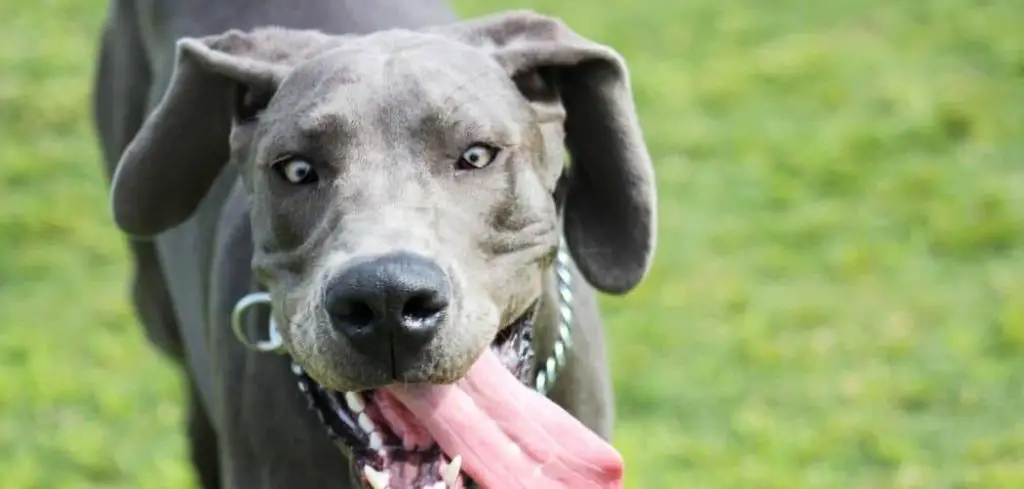
Dog Constantly Panting: What’s Normal and What’s Not
Panting is normal in dogs because it helps regulate body temperature and cool the body after exercise, excitement, or heat exposure.
A healthy dog may pant during play, after walks, in warm weather, or during moments of stress and excitement. This type of panting usually slows down once the dog rests, cools off, or calms down. Mild panting without other symptoms is generally not a cause for concern.
Panting becomes abnormal when it is excessive, persistent, or happens without an obvious reason. A dog that pants heavily while resting, during the night, or in a cool environment may be experiencing pain, anxiety, fever, heart disease, respiratory problems, or another underlying illness.
Abnormal panting may also sound harsher, faster, or more labored than normal breathing.
You should be more concerned if panting is accompanied by symptoms such as shaking, coughing, wheezing, weakness, pale or blue gums, vomiting, restlessness, or collapse.
Senior dogs are especially prone to medical causes of excessive panting, including arthritis pain, heart disease, and lung problems.
Normal panting should improve with rest, water, and cooling down. If your dog continues panting excessively despite being calm and comfortable, or if the breathing appears strained, veterinary evaluation is important to identify the underlying cause and prevent serious complications.
Why is My Dog Panting While Resting?
Panting while resting is often a sign that the dog is uncomfortable, even without physical activity.
Causes include pain (especially arthritis or injury), fever, anxiety, heart disease, or breathing difficulties. Dogs may also pant at rest if they are overheating or recovering from stress.
Normal panting should reduce when the dog is calm. If it continues while lying down or sleeping, it may indicate an underlying medical issue that needs investigation, particularly in older dogs.
Dog Constantly Panting: Common Causes
Heatstroke
Dogs don’t sweat like humans do, so panting is their main way to release heat. When a dog overheats, panting may become excessive and constant.
Other signs of heatstroke include drooling, red gums, vomiting, and collapse. This condition is an emergency, as high body temperatures can quickly become fatal. Any dog left in a hot car or outdoors in extreme heat can develop heatstroke within minutes.
Read more: Dog Constantly Hacking (Here’s why)
Anxiety and Stress
Panting doesn’t always come from physical illness — it can also stem from emotional distress. Dogs that are anxious, scared, or stressed often pant excessively.
Situations like fireworks, thunderstorms, or even separation from their owners can trigger constant panting. This type of panting is usually accompanied by pacing, trembling, or whining.
Heart Disease
When a dog’s heart isn’t pumping efficiently, the body struggles to deliver enough oxygen. This can lead to labored breathing and persistent panting, even at rest.
Other signs may include coughing, lethargy, and intolerance to exercise. Because heart disease progresses silently, panting may be one of the earliest noticeable symptoms.
Respiratory Issues
Conditions like pneumonia, laryngeal paralysis, or chronic bronchitis make it difficult for a dog to get enough oxygen. The result is heavy or constant panting.
You may also notice noisy breathing, wheezing, or coughing. Dogs with these conditions often struggle during physical activity or in hot weather.
Pain or Discomfort
Panting is a common response to pain in dogs. Whether it’s arthritis, an injury, or abdominal pain, a dog may pant continuously to cope with the discomfort.
Unlike panting from heat, pain-related panting often happens indoors at normal temperatures. Dogs may also appear restless, refuse food, or have trouble sleeping.
Cushing’s Disease
Cushing’s disease is a hormonal disorder where the body produces too much cortisol. Dogs with this condition often develop constant panting as one of their hallmark symptoms.
Other signs include increased drinking and urination, a pot-bellied appearance, thinning hair, and weight gain. This condition develops gradually and requires lifelong management.
Dog Constantly Panting and Restless
Panting combined with restlessness often suggests pain, anxiety, gastrointestinal discomfort, or internal disease. Dogs may pace, struggle to settle, or frequently change positions when they are uncomfortable.
Conditions like bloat, pancreatitis, urinary issues, or heart problems can cause this behavior.
This combination is concerning when it persists or worsens, especially if the dog cannot relax, refuses food, or appears distressed. Veterinary care is needed to identify and treat the cause.
Dog Constantly Panting and Shaking
Panting with shaking usually indicates pain, fear, fever, low blood sugar, poisoning, or neurological issues. Small dogs and puppies are especially prone to hypoglycemia, which can cause both symptoms.
Severe anxiety or stress can also trigger trembling and heavy breathing.
More serious causes include toxin ingestion, organ disease, or severe illness. If the symptoms are sudden, severe, or accompanied by vomiting, collapse, or confusion, urgent veterinary attention is required.
Dog Constantly Panting at Night
Panting at night often suggests discomfort, anxiety, overheating, or underlying illness. Dogs may struggle to settle due to pain from arthritis, digestive upset, or respiratory issues.
Heart disease can also cause nighttime panting because fluid buildup makes breathing harder when lying down.
Environmental factors like warm sleeping areas or poor ventilation can also contribute. However, persistent nighttime panting should not be ignored, especially in older dogs, as it can indicate worsening heart or lung conditions that need medical evaluation.
Senior Dog Constantly Panting
Constant panting in a senior dog can be a sign of pain, heart disease, respiratory problems, fever, anxiety, or age-related decline. Older dogs are more prone to conditions like congestive heart failure, arthritis pain, and internal illness, all of which can trigger persistent heavy breathing.
Panting may also worsen at rest or during the night when the body is trying to cope with discomfort.
If panting is new, worsening, or happening even when the dog is calm, it should be taken seriously.
Other warning signs, like coughing, weakness, swollen abdomen, or reduced appetite, may indicate an underlying medical condition that requires veterinary attention.
Why is My Female Dog Panting For No Reason?
Female dogs may pant due to hormonal changes, stress, pain, or underlying medical conditions.
If she is not spayed, panting could be related to heat cycles or false pregnancy, which can cause restlessness and behavioral changes. Other causes include urinary infections, pain, fever, or anxiety.
Even when it seems like “no reason,” panting is usually a response to something internal or external.
If it continues without clear triggers or is combined with lethargy, vomiting, or appetite changes, a vet check is important.
Why is My Male Dog Panting For No Reason?
Male dogs may pant due to stress, excitement, pain, overheating, or illness. In intact males, hormonal behavior or frustration can also contribute.
More serious causes include heart disease, respiratory issues, abdominal pain, or prostate problems in older dogs.
Panting that occurs at rest or becomes excessive without activity should be monitored closely.
If it persists or is paired with weakness, coughing, or restlessness, veterinary evaluation is recommended to rule out internal health problems.
How to Calm a Panting Dog
If your dog is panting all the time, start by assessing their environment. Make sure they aren’t too hot, and move them to a cooler area with fresh water available.
Offer a calm, quiet space if stress or anxiety might be the trigger. Gentle reassurance and keeping routines consistent can help reduce anxiety-driven panting.
Monitor for other symptoms like coughing, lethargy, vomiting, or changes in appetite. These additional signs can help you and your vet determine whether the cause is physical or emotional.
Avoid overexertion or forced activity, especially in hot or humid weather. Obese dogs may need a gradual weight-loss plan to ease the strain on their breathing and reduce panting.
When to Call or Visit Your Vet
Seek veterinary help immediately if your dog’s panting is accompanied by drooling, red or pale gums, weakness, or collapse. These are warning signs of heatstroke or a severe medical emergency.
A vet visit is also necessary if your dog pants constantly indoors in a cool environment or if the panting is paired with coughing, exercise intolerance, or weight changes. These may point to heart, lung, or hormonal problems.
If pain is suspected, your vet can examine for underlying injuries or conditions like arthritis. Dogs rarely show pain in obvious ways, so panting may be one of the clearest indicators.
Because persistent panting can signal anything from anxiety to life-threatening illness, it’s always better to err on the side of caution and get your dog checked out.
Read more: Dog Constantly Coughing (Should you worry?)
Key Takeaway
Constant panting in dogs is never something to ignore. While it may be due to heat or excitement, it can also signal heart disease, respiratory issues, or hormonal imbalances.
If your dog is panting excessively, check their environment, keep them comfortable, and pay close attention to any other symptoms. Most importantly, consult your veterinarian to identify the cause and ensure your dog gets the right care.
Panting is a natural part of a dog’s life, but when it becomes constant, it’s your dog’s way of telling you something isn’t right.


