
If a dog is constantly licking its paws, it may seem like a harmless habit, but it often signals an underlying problem.
Persistent paw licking can be uncomfortable for the dog and frustrating for the owner, especially if it leads to redness, sores, or infections.
Table of Contents
Dog Constantly Licking Paws: Why It Happens
Dogs may constantly lick their paws due to irritation, pain, or underlying health conditions that cause discomfort.
Common triggers include allergies, skin infections, injuries, parasites, or even anxiety-related behaviors.
In some cases, paw licking is a way for dogs to soothe themselves, but it often points to a problem that requires attention.
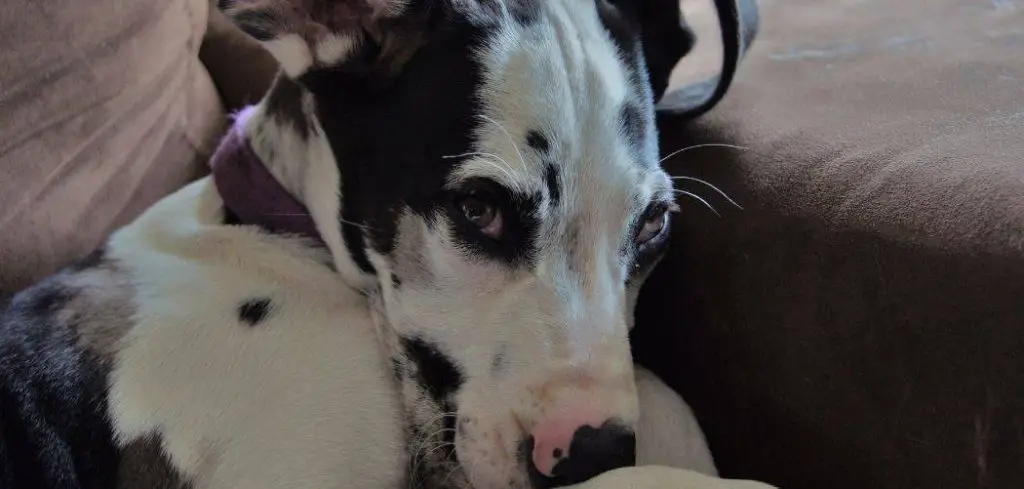
Dog Constantly Licking Paws Excessively
A dog that constantly licks its paws excessively is usually responding to irritation, discomfort, or inflammation.
Common causes include allergies, skin infections, parasites, contact with irritants like chemicals or grass, or even anxiety-related behavior.
Over time, constant licking can worsen the skin and lead to redness, hair loss, or secondary infections.
If the licking is persistent or worsening, it should not be ignored, as it often indicates an underlying skin or health issue that needs treatment.
Dog Constantly Licking Paws Suddenly
Sudden onset of paw licking often points to a new trigger such as an allergic reaction, insect bite, foreign object (like a thorn), or contact with an irritant.
Dogs may start licking one or more paws repeatedly in response to immediate discomfort. Stress or environmental changes can also trigger sudden compulsive licking in some dogs.
If the behavior appears out of nowhere and continues for more than a day, the paws should be checked and veterinary advice considered if no obvious cause is found.
Dog Keeps Licking Paw But Nothing There
When a dog keeps licking a paw but nothing visible is found, the issue may be deeper than the surface.
Causes can include early infection, joint pain, nerve irritation, allergies, or a small embedded foreign body that is not easily seen. Sometimes, the licking becomes a habit even after the initial irritation has passed.
Persistent licking without visible injury should be evaluated, especially if it continues for several days or worsens over time.
Dog Constantly Licking Paws: Common Causes
Allergies
Allergies are one of the most frequent reasons dogs lick their paws. Food allergies, environmental triggers like pollen, or reactions to cleaning products can cause itching and inflammation.
Dogs will lick their paws to relieve the discomfort, but this often makes the skin raw and more prone to infection.
Signs may include red, inflamed paw pads, constant chewing, or licking after walks. Allergies can be long-term issues and may require dietary changes, medications, or ongoing management under veterinary guidance.
Read more: Dog Constantly Licking Bottom (When you should be concerned)
Skin Infections (Bacterial or Yeast)
Bacterial or yeast infections can develop between a dog’s toes or paw pads. These infections are itchy and irritating, leading dogs to lick excessively to try and soothe themselves.
Owners may notice a strong odor, redness, or discharge from the affected paw. Left untreated, infections can worsen and spread, making them painful and more difficult to manage.
Paw licking in these cases is usually a sign that the infection is already causing significant discomfort.
Injuries or Foreign Objects
A cut, thorn, insect sting, or even a small pebble stuck between the toes can cause sudden and persistent licking.
Dogs instinctively lick wounds as a way to clean them, but excessive licking can delay healing or introduce new bacteria.
If licking starts suddenly after outdoor activity, an injury or foreign body is a likely cause. Carefully inspect the paw pads, nails, and spaces between toes for signs of trauma.
Parasites
Fleas, mites, and ticks can bite or burrow into a dog’s skin, causing intense itching. The paws are often a target, especially with parasites like mites that cause mange.
Licking may be accompanied by scratching, hair loss, or scabs around the paws. Parasite infestations require prompt veterinary treatment, as they can spread quickly and cause serious skin irritation.
Anxiety or Compulsive Behavior
Sometimes, dogs lick their paws not because of a physical problem but due to stress or anxiety. Licking can be a self-soothing behavior, similar to nail-biting in humans. Over time, it can become a compulsive habit.
Stress-related paw licking often occurs when a dog is left alone, bored, or experiencing environmental changes.
While it may not start as a medical problem, it can lead to skin infections if it continues unchecked.
Arthritis or Joint Pain
Older dogs, or those with joint problems, may lick their paws as a response to pain. Arthritis, hip dysplasia, or other orthopedic issues can cause discomfort in the legs and paws, prompting repetitive licking.
You may notice stiffness, limping, or reluctance to exercise, along with paw licking.
Pain-driven licking is often a sign that a dog is struggling with mobility and may benefit from pain management strategies.
My Dog Keeps Licking His Paws and They Are Red
Red paws combined with constant licking usually indicate inflammation caused by allergies, yeast or bacterial infections, or irritant exposure.
The licking itself can worsen the redness, leading to a cycle of irritation and infection. Dogs may also chew the area, making the skin raw or swollen.
This condition often requires treatment because untreated skin infections can spread or become chronic.
Dog Constantly Licking Paws and Legs
When licking extends beyond the paws to the legs, it often suggests a more generalized issue such as allergies, skin parasites, anxiety, or systemic skin disease.
Environmental allergens or food sensitivities are common triggers. In some cases, pain in the limbs or joints may also cause a dog to lick the area repeatedly.
Because multiple areas are involved, veterinary evaluation is important to determine whether the cause is skin-related, behavioral, or medical.
Dog Constantly Licking Paws and Scratching Ears
Paw licking combined with ear scratching strongly suggests allergies, particularly environmental or food allergies.
Yeast or ear infections can also cause intense itching in both the ears and paws at the same time. Dogs may shake their head, scratch constantly, or develop redness and odor in the ears.
This combination often requires medical treatment, as infections and allergies rarely resolve on their own and can worsen over time.
Dog Constantly Licking Paws and Itching
A dog that is licking its paws and itching elsewhere on the body is likely experiencing a systemic skin issue such as allergies, flea infestation, mites, or dermatitis.
Itching can spread across multiple body areas, and paw licking is often one of the earliest and most noticeable signs. Stress and anxiety can also contribute to compulsive licking and scratching.
If itching is persistent, especially with skin changes like redness, hair loss, or scabs, veterinary diagnosis is necessary to identify the underlying cause and begin appropriate treatment.
Dog Constantly Licking Paws After Grooming
Paw licking after grooming can happen if the skin has been irritated by shampoo, grooming products, clipping, or exposure to new chemicals.
Some dogs are sensitive to fragrances or disinfectants used during grooming, which can trigger temporary itching or discomfort. Clip irritation between paw pads can also make dogs lick more.
If licking continues for more than a day or the paws become red or inflamed, it may indicate an allergic reaction or skin irritation that needs veterinary attention.
Dog Constantly Licking Paws at Night
A dog that licks its paws constantly at night may be experiencing itchiness, irritation, or discomfort that becomes more noticeable when the environment is quiet and the dog is resting.
Common causes include allergies, dry skin, mild infections, parasites, or anxiety. At night, dogs are less distracted, so repetitive behaviors like licking often become more obvious.
If nighttime paw licking happens frequently or disrupts sleep, it should be monitored closely, especially if the paws appear red, swollen, or smelly.
Persistent symptoms often point to an underlying condition that needs treatment.
Dog Constantly Licking Paws Home Remedy
For mild paw licking, home care can help reduce irritation.
Start by inspecting your dog’s paws closely for cuts, swelling, foreign objects, or visible parasites. Cleaning the area gently with a pet-safe antiseptic solution can help prevent infection in minor injuries.
If allergies are suspected, wiping your dog’s paws after walks can reduce contact with pollen or chemicals. Switching to a limited-ingredient diet or hypoallergenic food may also reduce allergic reactions over time.
For mild irritation, using an Elizabethan collar (cone) can prevent over-licking and give the paw time to heal. Keeping nails trimmed and paw fur neat can also reduce irritation.
Engaging your dog with more exercise, toys, or interactive play may help if the licking is stress-related. Providing mental stimulation often reduces boredom-driven behaviors.
However, persistent paw licking usually requires professional evaluation. Home care can help with mild irritation, but a veterinary diagnosis is important to address underlying causes.
When to Call or Visit Your Vet
If your dog’s paw licking continues for more than a few days, a vet visit is needed. Redness, swelling, bleeding, or discharge are clear signs of infection or injury that need medical attention.
Seek immediate help if your dog is limping, whining when the paw is touched, or if multiple paws are affected at once. These could signal serious conditions such as arthritis, autoimmune issues, or widespread skin infections.
Dogs with hair loss, scabs, or a foul odor from the paws should also be examined promptly. These are signs that the skin barrier has been broken and infection is progressing.
Persistent licking combined with changes in appetite, energy, or behavior should never be ignored. These broader symptoms can indicate systemic illness and require prompt veterinary care.
Read more: Dog Constantly Licking (What it really means)
Dog Constantly Licking Paws: Treatment
Treatment depends on the cause of the licking. The veterinarian may examine the paws for infections, allergies, parasites, or injuries and may recommend tests if needed.
Treatment options can include anti-itch medications, antibiotics, or antifungal drugs for infections, parasite control, allergy management, or medicated shampoos.
If the behavior is related to anxiety or habit, behavioral modification and environmental changes may also be recommended. Proper diagnosis is important because paw licking is usually a symptom of an underlying issue, not a condition on its own.
Key Takeaway
A dog constantly licking its paws is usually a sign of discomfort, not just a quirky habit. Allergies, infections, injuries, parasites, and even stress can all contribute to this behavior.
While some mild cases can be managed at home with cleaning and monitoring, persistent licking almost always deserves veterinary attention. Getting to the root cause not only relieves your dog’s discomfort but also prevents more serious complications.
By paying attention to your dog’s behavior and acting quickly, you can help restore comfort and ensure your pet stays healthy and happy.


