
Seeing your dog breathe heavily can be unsettling, especially when they otherwise seem completely fine.
Heavy breathing can signal anything from a mild, temporary issue to a deeper medical concern that hasn’t yet shown obvious signs.
This guide explains the most common reasons why a dog may breath heavily but still act normal, what you can do, and when to seek veterinary care.
Dog Breathing Heavy but Acting Normal: Why It Happens
When a dog is breathing heavily but acting normal, it usually means the body is compensating for something that hasn’t yet affected behavior or energy levels. Dogs instinctively mask discomfort and illness, so breathing changes are often one of the earliest signs that something is happening internally.
Heavy breathing can be linked to temperature regulation, mild pain, stress, or early stages of heart or respiratory conditions.
Even when your dog is eating, playing, and behaving as usual, persistent heavy breathing should never be ignored.
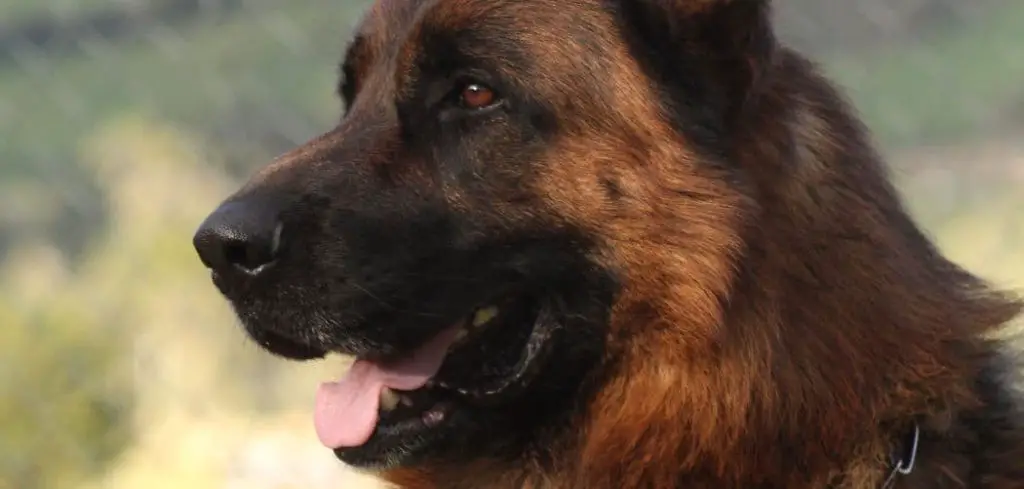
Dog Breathing Heavy but Acting Normal: Common Causes
Heat Regulation and Mild Overheating
Dogs rely on panting and heavier breathing to regulate body temperature. Even moderate warmth, indoor heating, or lying in a sunny spot can cause noticeable changes in breathing.
In these cases, dogs may appear relaxed and normal, aside from breathing more deeply or rapidly.
This type of heavy breathing often resolves once the dog cools down. However, repeated episodes or heavy breathing at rest can signal that your dog struggles with temperature regulation, especially if they are overweight, brachycephalic, or older.
Read more: Dog breathing heavy and fast while resting (When to worry)
Excitement
Excitement can trigger heavy breathing even when a dog feels perfectly well. Anticipation of food, visitors, walks, or playtime can temporarily elevate heart rate and breathing.
Because excitement doesn’t make dogs feel unwell, they often act completely normal while breathing heavily.
If breathing returns to normal once the excitement passes, this is usually harmless. Ongoing heavy breathing in calm situations, however, suggests another cause.
Anxiety
Low-level anxiety can be easy to miss. Changes in routine, new sounds, household tension, or separation stress can all affect breathing patterns without changing appetite or energy.
Dogs experiencing anxiety-related heavy breathing may still play and eat normally but show subtle signs like restlessness, pacing, or frequent position changes.
Chronic stress can worsen breathing over time and may eventually impact overall health if not addressed.
Pain
Dogs often hide pain remarkably well. Heavy breathing may be one of the first outward signs of discomfort from joint pain, muscle strain, dental issues, or abdominal problems.
Because pain doesn’t always stop dogs from eating or interacting, they may appear “normal” while breathing more heavily than usual.
Persistent breathing changes paired with stiffness, reluctance to move, or subtle behavior shifts should always raise concern.
Heart Disease in Early Stages
Early heart disease can cause heavier breathing before other symptoms develop. When the heart begins to work harder, oxygen delivery becomes less efficient, prompting the lungs to compensate.
Dogs may still act normal during early heart changes, making breathing differences easy to overlook.
Heavy breathing during rest or sleep is often one of the earliest warning signs and should be evaluated promptly.
Respiratory or Airway Sensitivity
Mild airway inflammation, allergies, or early respiratory conditions can increase breathing effort without immediately affecting behavior. Dogs may breathe heavier to maintain normal oxygen levels.
In these cases, coughing may be absent or very mild. Even without obvious respiratory distress, ongoing heavy breathing can worsen if left untreated, especially during exertion or warm conditions.
Related: Dog breathing heavy and drooling (What it means)
What to Do If Your Dog Is Breathing Heavy but Acting Normal
If your dog is breathing heavily but otherwise seems fine, start by ensuring they are in a calm, cool, and well-ventilated space. Reduce stimulation, stop physical activity, and allow your dog to rest.
Observe when the heavy breathing occurs. Note whether it happens during rest, sleep, or excitement, and how long it lasts. Offering fresh water and monitoring gum color can also provide helpful clues.
If breathing returns to normal quickly and does not recur, continued observation may be appropriate. However, if heavy breathing becomes frequent or persistent, it’s important to schedule a veterinary evaluation even if your dog still appears normal.
When to Call or Visit Your Vet
You should contact your veterinarian if heavy breathing occurs regularly, lasts longer than a few minutes at rest, or happens during sleep. Breathing that appears labored, noisy, or unusually rapid should always be checked.
Seek veterinary care immediately if heavy breathing is accompanied by coughing, weakness, collapse, pale or bluish gums, vomiting, abdominal swelling, or a sudden change in behavior.
These signs can indicate serious heart, lung, or systemic conditions that require prompt treatment.
Read more: Dog Breathing Heavy while on prednisone (Here’s why)
Key Takeaway
When a dog is breathing heavy but acting normal, it doesn’t always mean something is wrong — but it is always worth paying attention to. Dogs often show physical signs long before behavior changes, and breathing is one of the most important signals to monitor.
If heavy breathing is brief and situational, simple adjustments may be all that’s needed.
If it becomes frequent, persistent, or unexplained, early veterinary care can make a significant difference in protecting your dog’s long-term health and comfort.