
Some dogs turn their noses up at dinner like they’re food critics at a five-star restaurant. If your dog is being picky and not eating, it can be frustrating and confusing.
We outline the common causes of a dog being picky and not eating, what you can do, and when to seek veterinary care.
Table of Contents
Dog Being Picky and Not Eating: Why It Happens
Dogs may refuse food due to behavioral preferences, underlying medical issues, or negative associations with eating. Picky eating can develop when dogs are offered too many treats or table scraps, leading them to reject their regular kibble.
Dental pain, digestive upset, or nausea may also cause your dog to be selective about food.
Stress, anxiety, or past experiences with a certain food can further contribute to pickiness. Sometimes, picky eating masks an early sign of illness.
Dog Being Picky with Food All of a Sudden
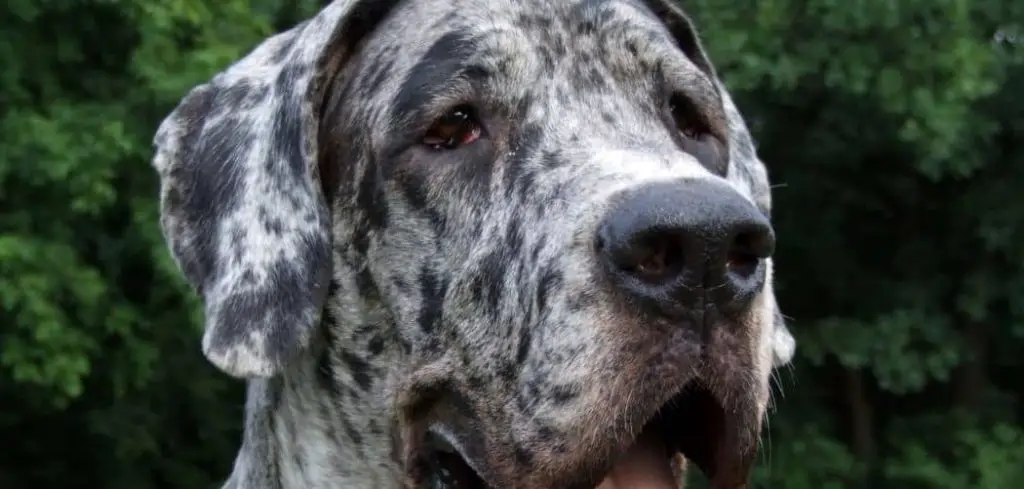
A dog that suddenly becomes picky with food may be experiencing anything from a simple change in preference to an underlying medical condition.
Common causes include dental pain, digestive upset, stress, recent diet changes, medication side effects, or illnesses affecting the kidneys, liver, or gastrointestinal tract.
Some dogs also become selective if they have been offered frequent table scraps or high-value treats, making their regular food seem less appealing.
If the picky eating lasts more than a day or two, especially if it is accompanied by weight loss, vomiting, diarrhea, or lethargy, a veterinary examination is recommended to rule out a medical cause.
Dog Being Picky and Not Eating: Common Causes
Spoiled by Treats or Table Food
Dogs who regularly receive treats, table scraps, or human food can become less interested in their dog food.
The variety, smell, and flavor of people food is far more tempting than plain kibble. Over time, your dog may hold out in hopes of something tastier.
While not dangerous on its own, this behavior can lead to nutrient deficiencies if your dog consistently refuses balanced meals.
Dental Pain
If your dog is avoiding meals but still interested in food, dental discomfort could be the culprit.
Broken teeth, gum disease, or oral infections make chewing painful. Dogs with mouth pain may chew on one side or walk away from food entirely.
This is especially common in small and older dogs, where dental disease is prevalent.
Read more: Dog Not Eating and Drinking a Lot of Water (Is it serious or just dehydration?)
Sensitive Stomach or Food Intolerance
Some dogs have delicate digestive systems and may reject certain foods if they associate them with discomfort.
Food intolerances or mild gastrointestinal upset can cause dogs to skip meals. Your dog may be fine with treats or specific proteins but avoid others.
Look out for soft stools, burping, or licking lips as subtle signs of digestive issues.
Negative Association with Meals
If your dog had a stressful or painful experience around feeding time, they may associate their food bowl with discomfort.
This could be due to medication hidden in food, force feeding, loud noises, or being disturbed while eating.
Dogs can be surprisingly sensitive to routine disruptions or emotional stress during meals.
Nausea or Early Illness
Sometimes, a sudden bout of pickiness is an early warning sign of illness.
Dogs experiencing nausea may walk to their bowl, sniff, and then walk away. This can occur with gastrointestinal issues, pancreatitis, kidney problems, or even motion sickness from a car ride.
It’s important to differentiate behavioral pickiness from medical disinterest in food.
Dog Being Picky and Not Eating but Drinking Water
A dog that refuses food but continues drinking water is often feeling unwell rather than simply being fussy.
Drinking water helps prevent dehydration, so some dogs continue to drink even when nausea, pain, or illness reduces their appetite.
Possible causes include gastrointestinal upset, dental disease, infections, pancreatitis, kidney disease, or other systemic illnesses.
If the dog continues to refuse food for more than 24 hours, or develops vomiting, diarrhea, weakness, or changes in behavior, veterinary evaluation is important to determine the underlying cause.
Why Is My Dog Not Eating His Food but Will Eat Treats?
If your dog refuses its regular food but eagerly eats treats, it often means the appetite is reduced rather than completely absent.
Dogs naturally prefer highly palatable foods, so treats may still seem appealing even when they are mildly nauseous or uncomfortable.
In other cases, frequent treats or table scraps can teach dogs to hold out for tastier options instead of eating their balanced meals.
While this behavior can sometimes be behavioral, it can also be an early sign of dental disease, digestive problems, or other medical conditions.
If your dog consistently refuses regular food while continuing to eat treats, or if the behavior is new and persists for more than a day or two, a veterinary examination is needed to rule out an underlying health problem.
Dog Being Picky and Not Eating: What to Do
Start by evaluating recent changes. Did you switch foods, give extra treats, or introduce new medications?
Temporarily reducing treats and human food may reset your dog’s appetite. Try warming the food or adding a small amount of low-sodium broth to enhance palatability. Hand-feeding or using food puzzles may encourage engagement.
If you suspect dental pain or digestive upset, a visit to the vet is wise. Offer small, bland meals like plain chicken and rice under veterinary guidance if your dog hasn’t eaten in 24 hours.
Keep feeding times consistent and avoid pressure. Dogs can sense stress around meals, which may make them more reluctant to eat.
When to Call or Visit Your Vet
If your dog has refused food for more than 24 hours, especially without interest in treats, consult your vet.
Other red flags include vomiting, diarrhea, drooling, pawing at the mouth, or changes in behavior.
Weight loss, lethargy, or signs of abdominal pain suggest something more serious than simple pickiness.
In older dogs, even subtle changes in eating habits warrant attention, as early signs of disease can be masked by picky behavior.
Read more: Old Dog Not Eating and Peeing in the House (Why it happens)
Key Takeaway
Picky eating in dogs isn’t always about preference—it can stem from dental issues, food intolerance, or even illness.
Cutting back on treats, enhancing food appeal, and keeping a routine can help reset healthy eating habits.
If your dog is consistently refusing meals or showing other symptoms, a veterinary exam is the safest step to rule out medical causes.
Caring, patient attention goes a long way in helping your dog enjoy mealtime again.


