
A chronic cough in an older dog can be concerning, especially when it keeps returning or slowly becomes more frequent over time.
Occasional coughing can happen for harmless reasons, but a persistent cough in a senior dog may sometimes be a sign of changes involving the heart, lungs, airways, or other underlying health conditions.
Table of Contents
Chronic Cough in Older Dog: Why It Happens
A chronic cough in an older dog may happen because of heart disease, airway changes, lung conditions, infections, inflammation, or age-related health problems affecting breathing.
Some older dogs develop a mild cough that gradually worsens over weeks or months, while others experience episodes that seem to come and go.
Looking at when the cough happens and whether other symptoms are present can provide important clues.
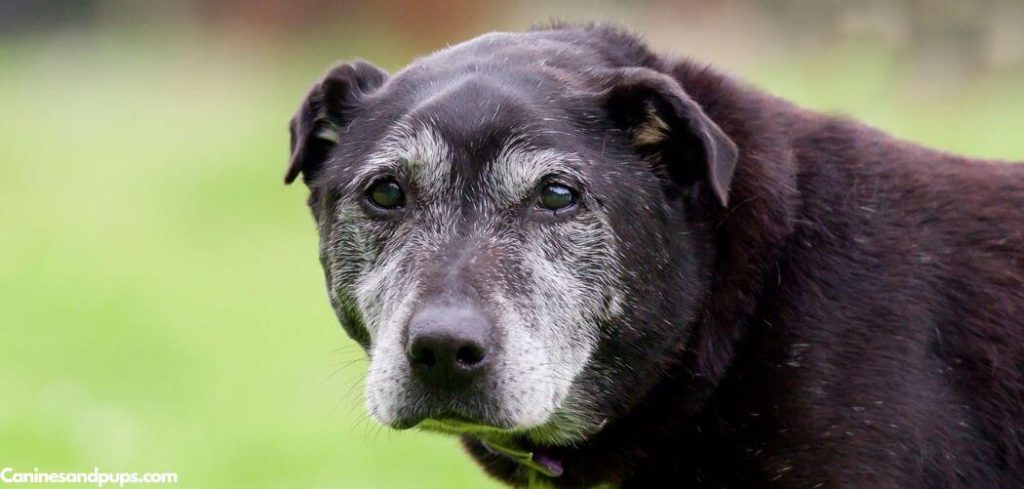
What is Chronic Cough in an Older Dog?
A chronic cough in an older dog is a cough that persists for an extended period, typically lasting several weeks or longer.
Unlike a temporary cough caused by minor throat irritation or a short-lived respiratory infection, a chronic cough continues to recur or remains present over time. The cough may be dry, hacking, honking, or productive, depending on the underlying cause.
The cough may be more noticeable at night, during exercise, after excitement, or when the dog is lying down.
Because chronic coughing is usually a symptom of an underlying medical condition rather than a disease itself, veterinary evaluation is important to determine the cause and develop an appropriate treatment plan.
Why Does My Senior Dog Cough All the Time?
An older dog coughing all the time means the dog is coughing very frequently throughout the day or night, with only short breaks in between episodes.
It is not a single illness, but a symptom that something is irritating or affecting the heart, airways, or lungs.
The cough may sound dry, hacking, or honking, and it may get worse at night, after exercise, or when the dog is lying down.
Unlike an occasional cough (which can be normal), “coughing all the time” suggests a persistent underlying problem that is not resolving on its own. It often progresses over time if untreated and may be accompanied by other signs like reduced energy, faster breathing, gagging, or exercise intolerance.
Common causes include chronic bronchitis, heart disease, tracheal collapse, lung disease, respiratory infections, or airway inflammation. Older dogs are more prone to these conditions because tissues lose elasticity and age-related changes can affect breathing and circulation.
A persistent cough is not considered a normal part of aging. If a senior dog coughs frequently or daily, a veterinary examination is needed to determine the cause and begin appropriate treatment.
Chronic Cough in Older Dog: Symptoms
If your older dog has a chronic cough, common symptoms may include:
Persistent coughing
Hacking or honking sounds
Gagging after coughing
Heavy breathing
Reduced activity
Tiring easily
Panting
Sleep disruption
Chronic Cough in Older Dog: Common Causes
Old Dog Coughing and Heart Disease
Heart disease becomes increasingly common as dogs get older and is one of the most important causes of a chronic cough in senior dogs.
When the heart does not pump blood efficiently, changes in pressure and fluid movement can affect structures inside the chest.
This may irritate the airways and trigger repeated coughing episodes. In some dogs, the cough initially appears mild and only happens during exercise or nighttime hours.
As the condition progresses, you may notice that your dog becomes tired more easily, breathes harder after activity, sleeps more, or becomes less interested in exercise.
Some dogs may also develop panting or difficulty settling comfortably at night.
Read more: Old Dog Heart Murmur Life Expectancy
Chronic Bronchitis
Chronic bronchitis occurs when long-term inflammation develops within the airways. The irritated airways become more sensitive and produce increased mucus, making coughing more frequent.
Older dogs can develop repeated coughing episodes that continue for weeks or months. The cough is often dry and may sound harsh or hacking.
Many dogs with chronic bronchitis otherwise appear fairly normal during the early stages.
Over time, the coughing can become more persistent and may worsen with excitement, exercise, or exposure to airborne irritants.
Read more: Dog Coughing Up Phlegm (Why it happens)
Collapsing Trachea
The trachea, or windpipe, normally stays open to allow airflow into the lungs. In some dogs, particularly smaller breeds, the supportive structures within the trachea weaken over time.
As the airway narrows, dogs can develop a characteristic cough that many owners describe as a goose honk.
Episodes are often triggered by excitement, exercise, warm weather, or pressure from collars.
Although symptoms may begin as occasional coughing, they often become more noticeable as dogs age.
Lung Disease
Changes affecting the lungs can gradually interfere with breathing and create chronic coughing.
Inflammation, scarring, tumors, or other lung-related conditions sometimes become more common in older dogs. Early signs may seem mild, causing owners to assume their dog is simply slowing down with age.
Some dogs may cough more after activity, while others develop increased breathing effort or reduced stamina.
Related: Deep Honking Cough in Dogs (Causes behind harsh cough sounds)
Airway Irritation
Long-term exposure to irritants can contribute to repeated coughing.
Smoke, dust, perfumes, cleaning chemicals, dry air, and environmental allergens can irritate sensitive airways over time.
Older dogs may become more sensitive to triggers they previously tolerated well.
Repeated exposure can create inflammation that gradually makes coughing more frequent.
Infections
Certain infections can sometimes linger or lead to long-term airway irritation.
While many respiratory infections improve with treatment, some dogs develop ongoing inflammation that continues after the initial illness has resolved.
You may notice that coughing never fully disappears or repeatedly returns after appearing to improve.
Persistent Cough in Older Dog
A persistent cough that lasts for weeks or months or recurs over time in an older dog should always be investigated. Long-term coughing is commonly linked to chronic bronchitis, heart disease, lung tumors, fungal infections, tracheal collapse, or other respiratory disorders.
Even if the dog appears otherwise healthy, ongoing coughing can indicate progressive disease.
Early diagnosis is important because many causes of chronic cough can be managed more effectively when treatment begins before the condition becomes advanced.
Old Dog Coughing at Night
Nighttime coughing in senior dogs is commonly associated with heart disease, chronic bronchitis, collapsing airways, or other respiratory conditions.
Lying down can make airway irritation or fluid accumulation more noticeable, causing coughing episodes during rest or sleep.
Some dogs may sleep normally during the day, but cough repeatedly once they settle down at night.
Because nighttime coughing often indicates an underlying medical issue, recurring episodes should be evaluated by a veterinarian.
Senior Dog Coughing and Gagging at Night
Coughing followed by gagging at night can occur when mucus accumulates in the airways, the throat becomes irritated, or respiratory disease is present.
Chronic bronchitis, kennel cough, tracheal collapse, and heart disease can all cause this combination of symptoms.
The gagging often occurs because the dog is trying to clear mucus or airway irritation.
If coughing and gagging become frequent or disrupt sleep, veterinary testing may be needed to determine the exact cause.
Do Dogs Cough Near the End of Life?
Some dogs may develop coughing near the end of life, particularly if they are suffering from advanced heart disease, lung disease, cancer, or severe respiratory disorders.
However, coughing itself is not a specific sign that death is imminent. Many dogs with chronic cough live comfortably for months or years with proper treatment.
End-of-life signs are more commonly associated with severe weakness, loss of appetite, difficulty breathing, inability to stand, confusion, and declining quality of life rather than coughing alone.
Read more: Old dog behavior before death (What to expect)
Chronic Cough in Older Dog: What to Do
Pay attention to when the cough occurs and look for patterns. Notice whether coughing happens during exercise, after eating, while resting, or during the night.
Reduce exposure to smoke, strong fragrances, dust, and other potential irritants around the home.
Monitor breathing patterns, activity level, appetite, and energy changes. Even small changes can help identify whether the cough may be linked to a larger issue.
Avoid strenuous exercise if activity appears to worsen symptoms.
When to Call or Visit Your Vet
Contact your veterinarian if the cough lasts more than a few days or continues returning.
Schedule an appointment if you notice reduced activity, heavier breathing, appetite changes, panting, or worsening cough frequency.
Seek immediate veterinary attention if your dog develops:
Difficulty breathing
Blue or pale gums
Collapse
Severe weakness
Extreme lethargy
Significant breathing distress
Chronic Cough in Older Dog: Treatment
The veterinarian may perform a physical examination and listen carefully to your dog’s heart and lungs.
Chest X-rays, bloodwork, heart evaluations, or additional testing may be recommended depending on suspected causes.
Treatment depends on the underlying condition and may include cough medications, anti-inflammatory treatment, airway support, heart medications, or management of respiratory diseases.
Key Takeaway
A chronic cough in an older dog should not automatically be dismissed as a normal part of aging.
Persistent coughing can sometimes be an early sign of heart disease, airway problems, lung conditions, or other medical issues.
Pay attention to patterns and additional symptoms. If the cough continues or gradually worsens, veterinary evaluation can help identify the cause and improve your dog’s comfort and quality of life.


