
When a Bernese Mountain Dog starts showing aggressive behavior, it can be alarming, especially for owners who expect this breed to be gentle, affectionate, and people-oriented.
Because Bernese Mountain Dogs are large and powerful, even mild aggression deserves careful attention.
This guide explains the most common reasons a Bernese Mountain Dog may become aggressive, what you can do at home, and when it’s best to involve your veterinarian.
Why is my Bernese Mountain Dog becoming aggressive?
A Bernese Mountain Dog becoming aggressive is usually linked to emotional stress, fear, pain, or unmet behavioral needs rather than a sudden change in personality.
This breed is deeply bonded to its family and sensitive to environmental shifts, which means stressors like changes in routine, lack of structure, or physical discomfort can quickly affect behavior.
Aggression often develops gradually, beginning with subtle warning signs such as avoidance, growling, or stiffness before escalating.
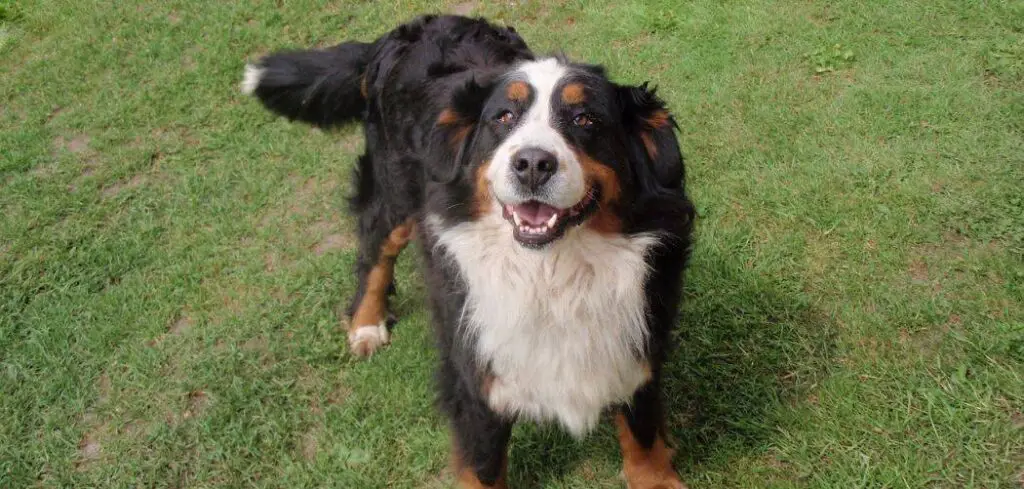
Bernese Mountain Dog Becoming Aggressive: Common Causes
Fear and Anxiety
Fear is one of the most common reasons a Bernese Mountain Dog becomes aggressive. Despite their size, these dogs are emotionally sensitive and may feel overwhelmed by unfamiliar people, loud environments, or unpredictable situations.
You may notice growling, barking, snapping, or attempts to retreat when the dog feels threatened. Aggression in this context is defensive, not dominant, and serves as a way to create distance from perceived danger.
If fear is not addressed, the dog may learn that aggressive behavior is effective at stopping uncomfortable interactions, reinforcing the response over time.
Pain or Physical Discomfort
Pain-related aggression is frequently overlooked in Bernese Mountain Dogs, yet it is especially important due to the breed’s predisposition to joint problems and orthopedic issues.
Hip dysplasia, elbow dysplasia, arthritis, or spinal discomfort can significantly lower a dog’s tolerance.
A dog in pain may react aggressively when touched, brushed, approached suddenly, or asked to move. These reactions are often sudden and may seem out of character.
Because Bernese Mountain Dogs tend to hide pain until it becomes significant, aggression may be one of the first outward signs that something is wrong.
Related: Why is my Bernese Mountain Dog so itchy?
Lack of Mental and Physical Stimulation
Bernese Mountain Dogs are working dogs at heart. When their need for mental engagement and physical activity is not met, frustration can build quietly.
This frustration may present as irritability, reactivity, or aggressive outbursts, particularly during interactions that interrupt rest or involve resource guarding. The dog may seem restless, vocal, or short-tempered.
Over time, under-stimulation can erode patience and contribute to behavior problems that resemble aggression.
Changes in Environment or Routine
Bernese Mountain Dogs thrive on predictability and close family bonds. Changes such as moving homes, adding a new pet, welcoming a baby, or shifts in household schedules can be deeply unsettling.
Aggression may appear as growling at family members, guarding spaces, or reacting strongly to normal household activity. These behaviors often stem from stress rather than intentional hostility.
Without reassurance and gradual adjustment, stress-related aggression can intensify as the dog struggles to regain a sense of security.
Poor or Inconsistent Training
Inconsistent boundaries can confuse a Bernese Mountain Dog, particularly because this breed is eager to please but emotionally sensitive. When rules change or expectations are unclear, anxiety often follows.
Aggression may emerge during moments of uncertainty, such as being handled, redirected, or corrected. The dog may react defensively when unsure how to respond.
Clear, calm, and consistent training helps reduce stress and gives the dog confidence in how to behave.
Protective Behavior Toward Family Members
Bernese Mountain Dogs are deeply loyal and may become overly protective of their owners. This protectiveness can cross into aggression if the dog perceives others as threats.
You may notice aggressive behavior toward visitors, delivery personnel, or even familiar people during moments of excitement or tension. The dog may place itself between its owner and others or bark intensely when approached.
Without guidance, protective instincts can escalate and lead to unsafe situations.
Related: Bernese Mountain Dog with diarrhea (Causes explained)
What to Do If Your Bernese Mountain Dog Is Becoming Aggressive
Start by observing when and where the aggressive behavior occurs. Identifying patterns helps clarify whether fear, pain, or stress is playing the largest role.
Create a calm, predictable environment with consistent routines. Bernese Mountain Dogs feel safest when daily life is structured and expectations are clear.
Avoid punishment-based training, as harsh corrections often worsen fear and aggression in this breed. Focus instead on positive reinforcement and calm redirection.
Ensure your dog receives appropriate exercise and mental stimulation each day. Structured walks, gentle training sessions, and interactive activities help release tension.
If aggression persists or escalates, working with a qualified trainer who understands large, sensitive breeds can provide essential guidance.
When to Call or Visit Your Vet
A veterinary visit is important if aggression appears suddenly or worsens quickly. Sudden behavior changes can signal pain, illness, or neurological issues.
Seek professional help immediately if your Bernese Mountain Dog snaps, bites, or attempts to bite a person or another animal. Safety should always be the priority.
If aggression is accompanied by limping, stiffness, appetite changes, or sensitivity to touch, medical causes should be ruled out before focusing solely on behavior modification.
Chronic or escalating aggression often benefits from a combined approach involving both veterinary evaluation and professional behavior support.
Key Takeaway
Asking “why is my Bernese Mountain Dog becoming aggressive?” is an important step toward protecting both your dog and your household.
In most cases, aggression is a signal of fear, stress, discomfort, or unmet needs—not a change in the dog’s loving nature.
With patience, structure, and early intervention, many Bernese Mountain Dogs can regain their calm, gentle temperament.
Addressing the root cause promptly helps restore trust, safety, and harmony in your home.